Honghe Machinery
Honghe Machinery
Honghe Machinery
Explore our premium wholesale selection of industrial glass washing, processing, and handling machinery engineered for maximum efficiency, clean operations, and precise structural output.
Deploying state-of-the-art automation designed to enhance product qualification rates, maximize throughput, and secure energy-efficient glass post-processing workflows.

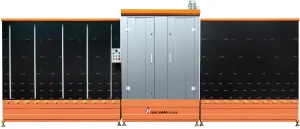
High-end glass cleaning and drying machines significantly improve the efficiency and quality of architectural glass processing through automation and intelligent technology, catering to modern double-glazed insulation specifications and curtain wall standards.
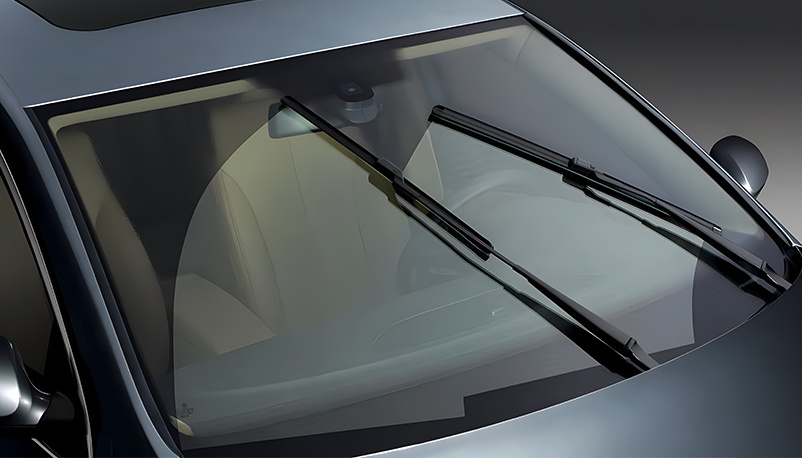
Nanjing Honghe's intelligent manufacturing solutions have been implemented in automotive glass edge grinding, ultra-clean glass washing, digital printing preparation, and curved screen processing, receiving customer praise for their superior product qualification rate and per capita efficiency.

Providing custom PV solar glass surface washing, acid etching preparation, and automated handling lines. Optimizes solar energy transmission by delivering highly transparent, residue-free surfaces prior to anti-reflective (AR) film coating applications.
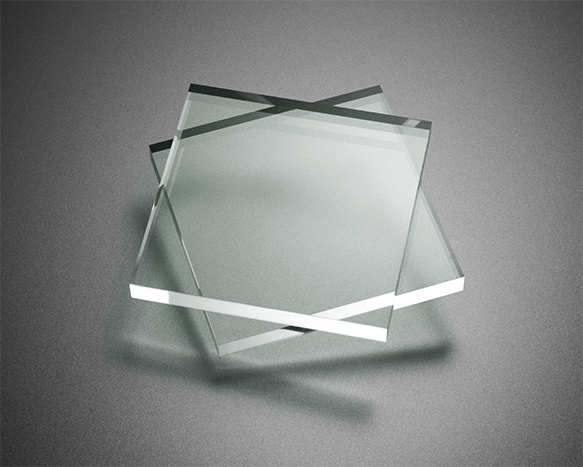
Intelligent control systems that prevent damage to delicate Low-E, metal oxide, or reflective film surfaces. Our advanced brushes and temperature-controlled air drying systems ensure the structural integrity of thin-film coatings remains completely untouched.
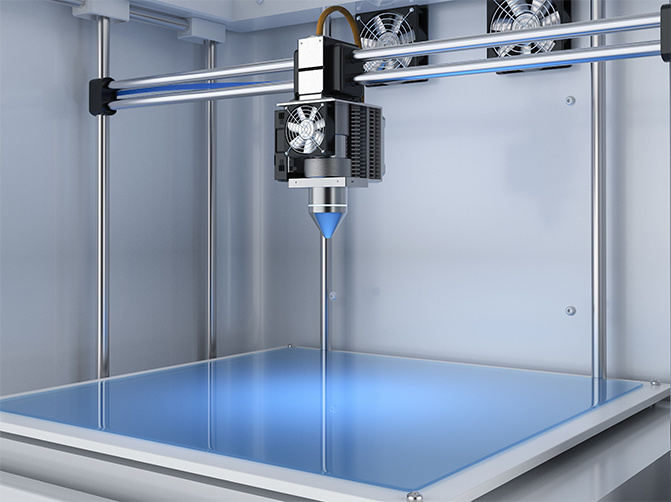
Automated edge grinding and deep chemical washing lines designed to guarantee optimal ink adhesion. Engineered to eliminate organic contaminants, oils, and micro-particles, yielding flawless results for industrial printing applications.
In the contemporary glass deep-processing industry, the efficiency of surface treatment directly dictates the longevity, structural strength, and optical purity of the end product. From structural glazing in commercial high-rises to thin-film solar modules and smart automotive displays, glass surfaces demand flawless preparation. At Nanjing Honghe Glass Machinery Co., Ltd. (established in 2008 in the high-tech Qishi Town, Nanjing City, Jiangsu Province), we have pioneered the R&D and manufacturing of elite glass deep-processing machinery. Supported by numerous national invention patents and independent intellectual property rights, our engineering standards deliver the reliability demanded by high-volume global fabricators.
Glass is inherently hydrophilic, but its surface easily attracts organic compounds, airborne grease, and silica dust during cutting and grinding phases. Without precise mechanical washing and chemical treatment, subsequent processes such as lamination, tempering, vacuum sputtering (Low-E coating), or digital ceramic printing are compromised. For instance, in double glazing units (DGU), even sub-micron dust particles trapped on the inner glass surfaces can lead to moisture condensation, adhesive failure, and loss of thermal insulation value.
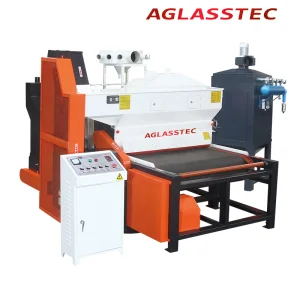
To prevent these failures, Nanjing Honghe’s washing and drying machines utilize multi-stage cylindrical brush configurations, hot water pre-wash zones, and high-pressure air knives angled at precise aerodynamics to strip away water droplets without leaving static residue. The integration of variable frequency drives (VFD) allows operators to modulate the line speed according to glass thickness and coating vulnerability, ensuring zero surface abrasion on soft-coat Low-E sheets.
“True surface quality is achieved when mechanical force and fluid dynamics work in absolute harmony. Our patented wash-rinse-dry cycle removes 99.9% of microscopic inorganic particulates down to 0.5 microns, creating a clean slate for high-performance coatings.”
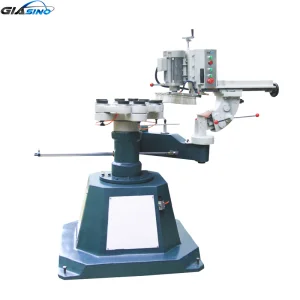
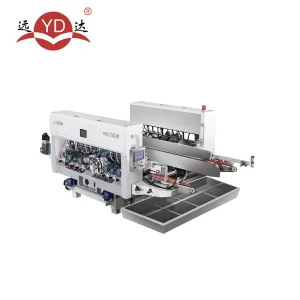
When flat glass is cut, raw edges remain highly susceptible to tensile stress, which can trigger spontaneous thermal breakage during tempering or installation. Edge grinding (both single-pass and high-efficiency double-edging polishing systems) modifies the stress distribution profile of the edge. Our double-edging machinery features rigid cast-iron structures to absorb high-frequency vibrations. Multiple grinding heads equipped with diamond wheels, followed by fine resin and cerium oxide polishing wheels, generate smooth, micro-crack-free chamfers. This mechanical stability directly translates into higher yield rates for toughened safety glass manufacturers.
The global glass processing market is undergoing a significant transition. Regulatory frameworks, such as the European Green Deal and LEED v4 certifications in North America, mandate highly insulated building envelopes. Consequently, double and triple glazing units containing warm-edge flexible super spacers have become industry norms. Our fully automated vertical warm-edge flexible super spacer insulating glass production lines enable companies to reduce labor overhead by up to 60% while ensuring airtight seal longevity. Automating the hot-melt butyl extrusion and assembly line eliminates human contact, thereby maintaining pristine interior glass surface conditions.
Aligning with Industry 4.0 paradigms to deliver smart, interconnected, and zero-carbon glass processing factory environments.
Integrating PLC-driven speed synchronization across polishing, washing, and insulating lines to minimize human handling.
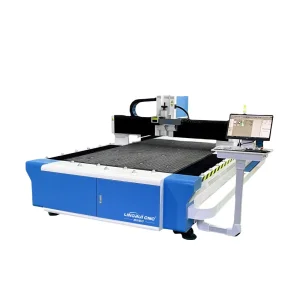
Transitioning traditional sandblasting to CNC fiber laser glass frosting, eliminating dust emission and abrasive media waste.
IoT monitoring of spindle vibration, water quality parameters, and knife air flow to anticipate tool wear and maintain process stability.
Developing integrated water recycling systems and low-energy air drying paths to satisfy international net-zero emissions regulations.
Clear, engineering-focused answers to the most common questions raised by plant managers and procurement professionals.
Water purity directly affects surface cleanliness. If hard water containing calcium or magnesium is used, it leaves mineral deposits (scale) on the glass surface after drying. This disrupts vacuum coating adhesion. Our horizontal and vertical flat glass washers offer multi-stage filtration options, including water softening and deionization (DI) systems, ensuring a zero-residue finish.
Double-edging polishing machines process two parallel edges simultaneously. This configuration guarantees perfect parallelism, eliminates manual turning errors, and accelerates processing speeds for structural insulating units, curtain walls, and frameless shower doors.
Traditional sandblasting relies on aluminum oxide or silica grit projected via compressed air, which generates high dust loads and demands pulse-dust collection systems. Laser glass engraving/frosting uses high-frequency fiber lasers to micro-crack the glass surface thermally. This achieves a consistent frosted pattern without mechanical abrasives, resulting in a cleaner work environment and reduced consumable costs.
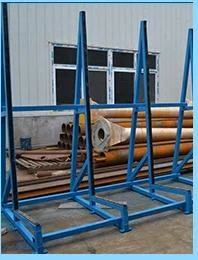
Unprocessed and processed glass packs must be stored at a slight incline (typically 4° to 6° from vertical) to prevent tipping. Storage racking must feature durable rubber pads and be mounted on heavy-duty wheels or structural steel bases to absorb local seismic loads and prevent glass-to-metal contact, which can cause micro-chipping. We supply complete prefabricated, customized warehouse racks to secure glass storage.
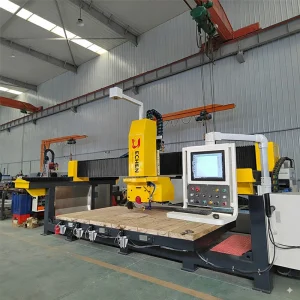
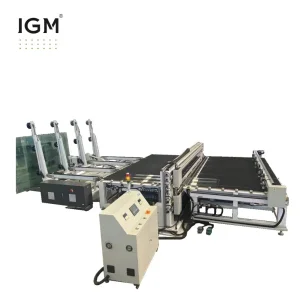
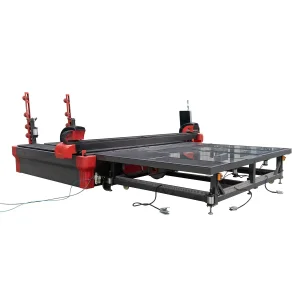
High-precision multi-axis stone and glass cutting lines, CNC routing systems, and specialized compact edging machinery designed to expand your fabrication capabilities.