Honghe Machinery
Honghe Machinery
Honghe Machinery
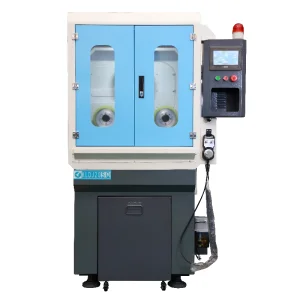
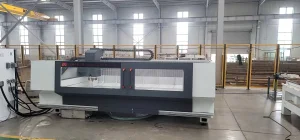
Explore our flagship industrial solutions engineered for high performance, structural longevity, and maximum throughput.
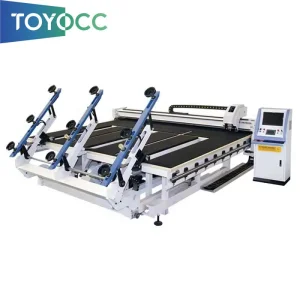
A Comprehensive White Paper on Precision Mechanics, Global Sourcing Standards, and Production Line Optimization.
In modern glass deep processing, cold processing represents the vital foundation of geometric precision and mechanical integrity. Unlike hot-end processes that mold, temper, or bend raw material via controlled thermal cycles, cold processing is dedicated to mechanical modification. This includes precise cutting, edging, drilling, milling, engraving, and surface finishing of raw glass sheets. Maintaining tight tolerances is crucial; micro-cracks or edge defects caused during cold processing can lead to catastrophic failure during subsequent thermal tempering or in-field deployment.
As the global market demands higher performance glass for structural glazing, automotive smart displays, and high-efficiency photovoltaic systems, cold processing equipment must operate at unprecedented levels of accuracy. The deployment of CNC multi-axis machining centers, diamond-edge grinding wheels, and optical-grade cutting wire has shifted the industry from simple mechanical grinding to smart cyber-physical systems.
Information Gain Concept: Edge quality determines 90% of the mechanical strength of tempered structural glass. Modern glass processors use specialized diamond-coated milling heads and multi-spindle edge polishers to eliminate micro-fractures, ensuring edge stress remains within safe limits under architectural loads.
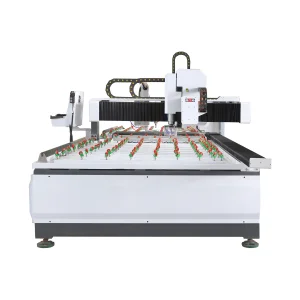
True 3-axis and 5-axis systems enable complex milling, drilling, and shaping in a single setup, drastically reducing workpiece movement and geometric errors.
High-frequency liquid-cooled spindles maintain constant torque and radial runout below 0.005mm, preventing edge chipping during aggressive grinding.
Servo motors integrated with linear optical encoders actively monitor tool deflection and wheel wear, adjusting toolpath coordinates in real time.
Analyzing the industrial clusters, structural pricing advantages, and technological leaps of Chinese glass machinery manufacturers.
For international procurers, sourcing machinery from China is no longer merely a low-cost decision. It is an optimization strategy focused on vertical integration, manufacturing speed, and technological agility. China’s glass machinery ecosystem—heavily centered in specialized manufacturing hubs like Jiangsu, Guangdong, and Shandong—offers unmatched supply-chain depth. Companies like Nanjing Honghe Glass Machinery Co., Ltd. leverage this cluster synergy to deliver custom-engineered machinery with shorter lead times than European competitors.
In addition, Chinese factories have closed the gap in digital precision. By incorporating top-tier mechanical components (such as HIWIN linear guideways, Schneider electrical systems, and Japanese Yaskawa servo drives) with locally developed, highly intuitive CNC software interfaces, they deliver high-performance equipment at competitive prices. The result is a machine that achieves European quality parameters with a significantly lower total cost of ownership (TCO).
| Feature Parameter | Chinese Tier-1 Manufacturers (e.g., Honghe) | Conventional Standard Importers | Strategic Advantage |
|---|---|---|---|
| Spindle Configuration | Dual-motor high-frequency, auto-lubricated spindles | Single-motor belt-driven spindle systems | Eliminates belt slippage; reduces vibration and edge chipping. |
| CNC Software Integration | Open CAD/CAM interface with automatic nesting algorithms | Proprietary legacy controls with manual G-code entry | Simplifies training and reduces setup times. |
| Frame Engineering | Stress-relieved welded steel structure with gantry milling | Non-heat-treated structural iron framework | Prevents frame deformation over decades of high-speed vibration. |
| Service Network | Remote IoT diagnostics with local engineering partners | Depot-only repairs or third-party service dispatch | Minimizes unscheduled downtime with rapid parts delivery. |
Highly tailored processing workflows built to meet the rigorous quality standards of global glass application sectors.

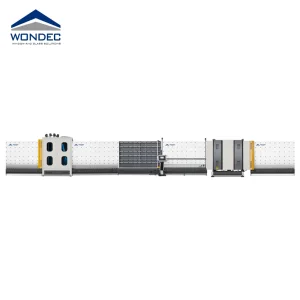
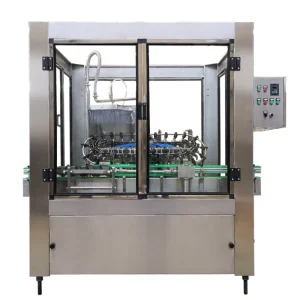
High-end glass cleaning and drying machines significantly improve the efficiency and quality of architectural glass processing through automation and intelligent technology. These machines ensure pristine surfaces prior to tempering and lamination, helping to prevent internal voids and delamination issues over long-term building exposure.
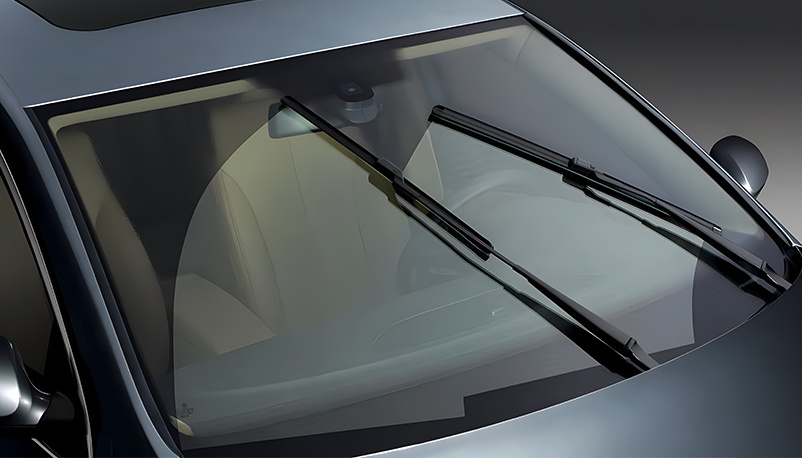
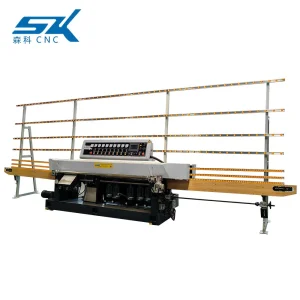
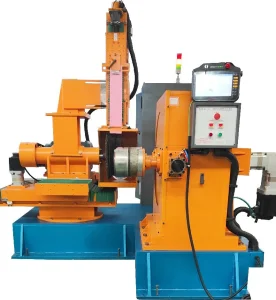
Honghe's intelligent manufacturing solutions have been implemented in glass edge grinding, glass cleaning, digital printing glass cleaning, and architectural glass processing, receiving customer praise for their superior product qualification rate and per capita efficiency. Our systems handle complex curvatures and precise edge profiles required for modern automotive glazing.

Honghe's intelligent manufacturing solutions have been implemented in glass edge grinding, glass cleaning, digital printing glass cleaning, and architectural glass processing, receiving customer praise for their superior product qualification rate and per capita efficiency. This ensures maximum light transmission and durability for solar panels.
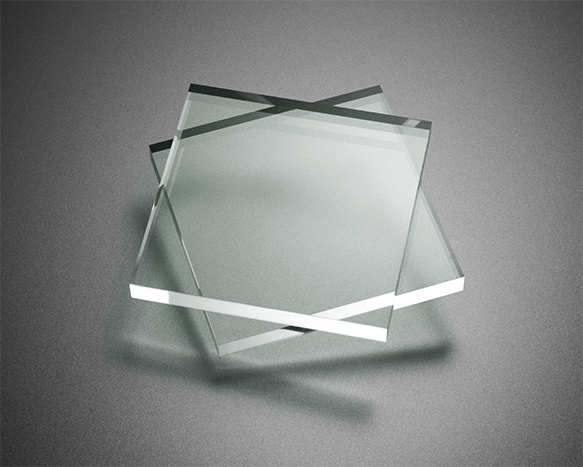
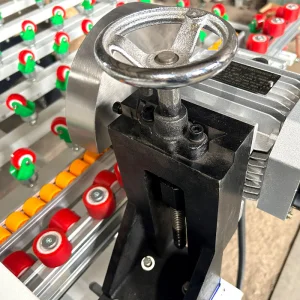
Honghe's intelligent manufacturing solutions have been implemented in glass edge grinding, glass cleaning, digital printing glass cleaning, and architectural glass processing, receiving customer praise for their superior product qualification rate and per capita efficiency. The equipment features non-marking transport rollers to protect sensitive metallic and Low-E coatings from scratching during handling.
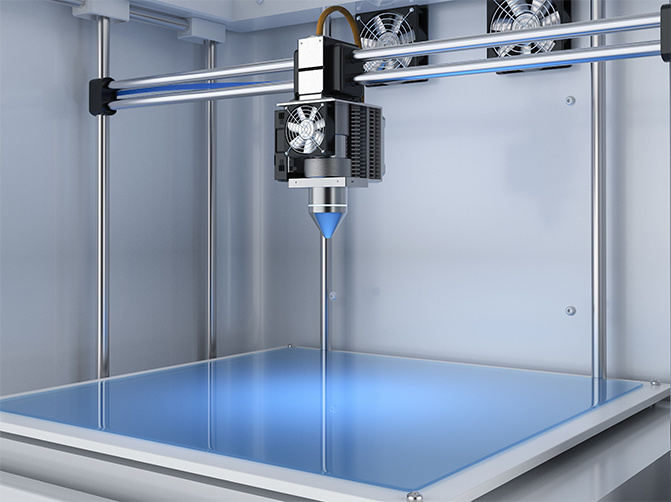
Honghe's intelligent manufacturing solutions have been implemented in the fields of glass edge grinding, glass cleaning, digital printing glass cleaning, and architectural glass processing, receiving customer praise for their superior product qualification rate and per capita efficiency. This enables high-adhesion ceramic ink applications and precise detailing for decorative and functional patterns.
How Chinese machinery aligns with global manufacturing expectations, certifications, and high-performance metrics.
Purchasing agents and plant managers from North America, Europe, and Asia look for specific indicators of durability and safety when sourcing glass cold processing machinery. These critical requirements include CE compliance, heavy duty structural build quality, and easy integration with existing ERP/MES manufacturing execution systems. To prevent structural fatigue under 24/7 industrial loads, a machine's frame must be stress-relieved through heat treatment. This stabilizes the weldments and prevents warping over decades of use.
Additionally, modern facilities prioritize water management and filtration systems within the cold processing workflow. Grinding glass generates highly abrasive glass dust. If this dust is not filtered out using a high-velocity centrifuge or flocculated water treatment system, it will clog coolant channels, wear out diamond tooling prematurely, and scratch the glass surfaces. The integration of centralized recycling filtration systems on CNC milling and edging tables is now a standard requirement for clean-running factories.
Expert Sourcing Tip: When evaluating a CNC milling center or multi-axis cutting table, ask the manufacturer for a laser interferometer measurement report. This document verifies the machine’s real-world positioning accuracy and repeatability over long travel distances.
Tracking the shift toward IoT diagnostics, laser cutting technologies, and reduced ecological footprints.
The global glass processing sector is undergoing a massive transformation driven by automation and connectivity. Key industry trends include:
A pioneer in glass deep-processing machinery R&D, engineering, and global export services since 2008.
Established in 2008, Nanjing Honghe Glass Machinery Co., Ltd. integrates design, production, sales, and technical support for advanced glass deep-processing machinery. The company is located in the Qishi Town development corridor of Nanjing, Jiangsu Province.
Since its founding, Honghe has built a strong reputation with industry organizations and government authorities. Supported by continuous innovation, the company holds national patents and independent intellectual property rights. By focusing on mechanical stability and user-friendly software, Honghe delivers glass processing equipment designed to perform under demanding production schedules.
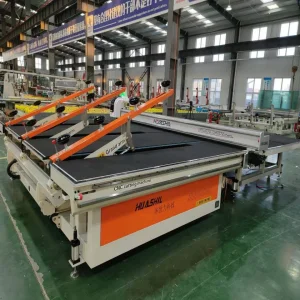
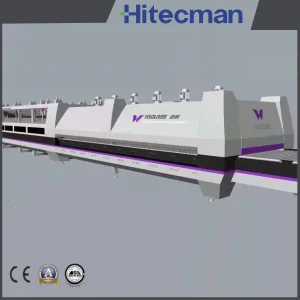
Our solutions range from standalone CNC milling centers to fully automated washing, cutting, and tempering lines. This comprehensive portfolio allows us to support glass processors around the world as they expand their production capabilities.
Direct technical answers to common questions about sourcing, operating, and maintaining glass cold processing systems.
Hot glass processing involves altering the physical state of glass using heat, such as tempering, bending, blowing, or fusing. Cold glass processing, on the other hand, performs mechanical work on the glass at room temperature. This includes cutting, drilling, beveling, edging, engraving, and polishing. Cold processing is critical for establishing the final shape and dimensional accuracy of the glass before tempering.
Vibration is the primary cause of edge chipping during CNC milling and edging. High-precision spindles use liquid cooling and hybrid ceramic bearings to keep radial runout to less than 0.005mm. Real-time feedback loops adjust spindle speeds and feed rates dynamically based on the resistance of the glass. This ensures a clean cut, extends tool life, and reduces micro-cracking.
To process Low-E or coated glass safely, transport rollers must be made of soft, non-marking materials like high-grade polyurethane or vulcanized rubber. Conveyor systems should include dust hoods, and operators must check washing machines regularly to ensure the glass dust is filtered out of the wash water. Reusing unfiltered wash water can cause abrasive particles to scratch soft coatings.
Glass grinding creates fine, highly abrasive glass particulate. If allowed to build up in the coolant, this dust acts as a polishing compound in reverse, wearing down diamond wheels and scratching glass surfaces. Using a centrifuge or settling tank with flocculants keeps the water clean, extending tool life and improving edge quality.
Leading Chinese manufacturers use open architecture CNC systems that accept standard DXF and G-code files from nesting software like AutoCAD or Optima. This ensures smooth integration into existing plant workflows. With easy-to-use touchscreen interfaces and remote support options, these systems provide a cost-effective, high-performance alternative to traditional setups.
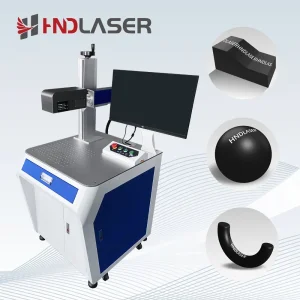
Discover our specialized machinery for custom engraving, high-speed cutting, and advanced glass marking.