 Honghe Machinery
Honghe Machinery
Honghe Machinery
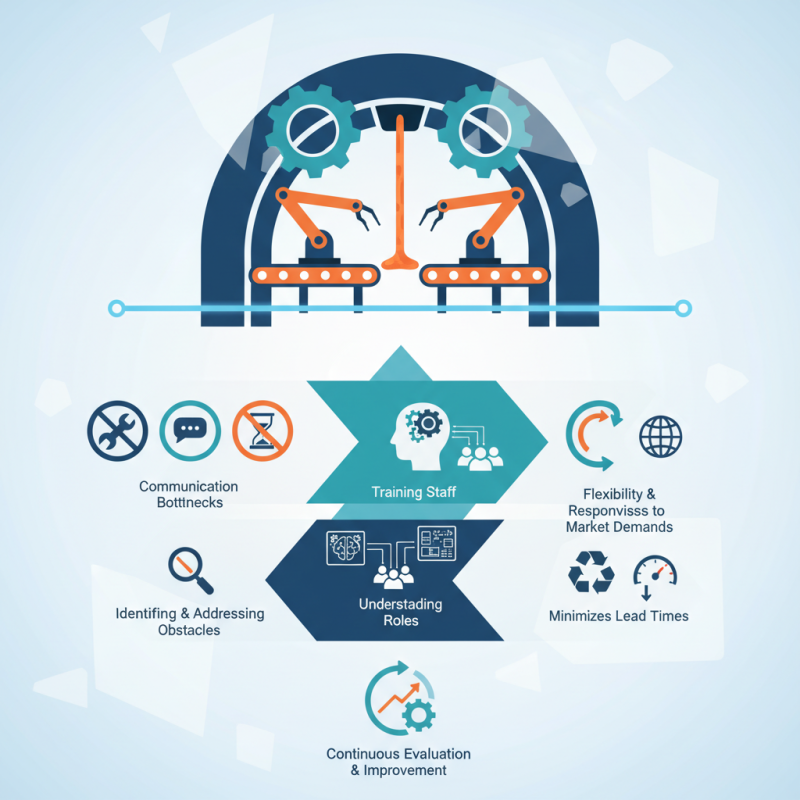
Streamlining workflow in automated glass production lines is crucial for maximizing efficiency and productivity. In an industry where precision and speed are vital, any delays can lead to significant losses. Automation technologies have transformed glass production, but the human element remains important. Implementing effective workflow strategies can greatly enhance operational excellence.
Challenges often arise in managing complex production processes. These might include equipment malfunctions, communication issues, or bottlenecks. By identifying and addressing these obstacles, manufacturers can create smoother workflows. Training staff to adapt to new technologies is also essential for keeping pace with innovation. Every team member should understand their role in the process.
Streamlining workflows enables flexibility and responsiveness. As market demands shift, the ability to adjust production lines quickly is invaluable. A well-organized workflow minimizes waste and reduces lead times. Continuous evaluation of these processes is necessary for ongoing improvement, ensuring that production remains competitive in a fast-evolving landscape.
In automated glass production, streamlining workflow plays a crucial role. According to a report by the Glass Manufacturing Industry Council, optimizing workflow can improve efficiency by up to 30%. This efficiency boost can lead to significant reductions in production costs. Faster production times enable manufacturers to meet increasing demand while maintaining high-quality standards.
Workflow streamlining identifies bottlenecks in processes, allowing for targeted improvements. For instance, data shows that delays in material handling can account for 25% of production time. Addressing these areas not only enhances speed but also quality. Yet, the challenge remains in aligning automated systems with human oversight. Balancing technology and human insight is essential to achieving desired outcomes.
Moreover, integration of data analytics can reveal trends and issues. Companies that adopt a data-driven approach report higher accuracy in forecasting production needs. However, firms sometimes face resistance to change from employees familiar with traditional processes. This tension requires thoughtful management to facilitate seamless transitions into more efficient workflows. Continuous reflection on workflow processes is necessary for ongoing improvement, ensuring long-term success in automated glass production.
: Companies can see efficiency gains of up to 30% with optimized workflows. This enhances competitiveness.
Regular assessment of production metrics helps identify bottlenecks. Real-time data allows for informed decisions.
Manual processes lead to inefficiencies and higher error rates. Up to 25% of time may be lost on non-value-added activities.
Automating inspections reduces human error. This can lower defect rates by up to 30%.
Training is vital. Teams must understand new technologies and production goals for successful adaptation.
Ongoing measurement allows for adjustments based on results. This supports long-term success in production efficiency.
Yes, a thorough process evaluation identifies areas needing attention. Prioritizing tasks based on impact is key.
Automation should support, not replace, human roles. Balance is necessary for effective production management.
Companies sometimes overlook the importance of training. This can lead to difficulties in adopting new systems.
Be open to change. Regular reviews of metrics can highlight weaknesses needing attention for improvement.
Streamlining workflow in automated glass production lines is crucial for enhancing efficiency and productivity in the manufacturing process. By optimizing workflows, companies can significantly reduce lead times, minimize errors, and improve overall operational output. The benefits of automation extend beyond mere speed; they also include consistent quality control and greater resource management, which are essential in a highly competitive market.
Data from industry statistics indicates that companies adopting streamlined workflows experience notable efficiency gains, demonstrating the tangible value of optimizing traditional glass production methods. However, challenges persist, particularly within outdated production techniques that lack integration and flexibility. As the industry moves forward, embracing automated solutions will become increasingly vital, paving the way for innovative strategies that further prioritize workflow efficiency and adaptability in glass manufacturing.
