Honghe Machinery
Maintaining glass processing machinery is crucial for operational efficiency. In the competitive glass industry, the pressure to reduce operational costs is immense. According to a recent report by Grand View Research, the global glass processing machinery market is expected to reach $14 billion by 2027. This highlights the growing importance of efficiency in machinery management.
Lower Maintenance Cost for Glass Processing Machinery is a key goal for manufacturers. Regular maintenance can account for 20-30% of operating expenses, significantly impacting profit margins. By focusing on preventative strategies, companies can mitigate unexpected breakdowns. For instance, predictive maintenance technologies can reduce downtime by up to 30%. However, many businesses still lack the infrastructure to implement these methods effectively.
In the pursuit of lower costs, addressing the challenges of skilled labor shortages is also vital. A 2022 survey by the National Glass Association revealed that 65% of companies struggle to find qualified technicians. This finding underscores the need for training and development initiatives. Investing in personnel can ultimately lead to better maintenance practices, higher efficiency, and reduced overall spending.
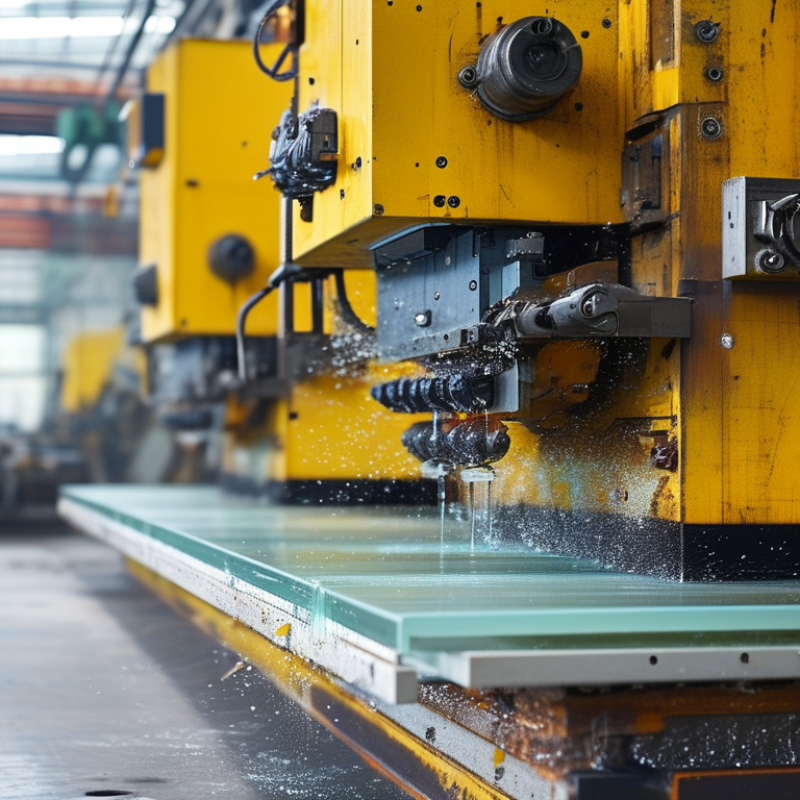
Preventive maintenance is essential for glass processing machinery. Regular checks can save you from unexpected breakdowns. Start with scheduled inspections. Identify wear and tear before it becomes a problem. Use checklists to ensure no area is overlooked during inspections. Keeping detailed records can help track performance and issues over time.
Consider training your staff. Educated operators are better at spotting early signs of malfunction. Encourage them to follow maintenance protocols strictly. This method not only extends the life of your machinery but also fosters a proactive environment.
Additionally, invest in quality parts. Cheap replacements may seem cost-effective initially but can lead to more frequent repairs. Monitor the machinery’s operational data. Analyzing trends can reveal patterns that may signal underlying issues. Regular data review helps maintain efficiency. The goal is to create a culture of awareness around machinery health, which can ultimately lead to greater reliability.
Regular inspections play a vital role in enhancing the longevity of glass processing machinery. These checkpoints help identify wear and tear, which could lead to more severe problems if left unchecked. By conducting preventive maintenance, operators often catch issues early, thus avoiding costly repairs down the line.
For instance, lubricating moving parts during inspections can significantly reduce friction and prevent breakdowns. Additionally, checking for alignment issues ensures machinery runs smoothly. However, many businesses overlook regular inspections, thinking they save time and money. In reality, neglect can lead to unexpected downtimes, which are often more costly than scheduled maintenance.
Moreover, inspections offer a chance to train staff on equipment usage. Well-informed employees can operate machines more efficiently, thus prolonging their lifespan. But here’s the catch: regular inspections require a commitment of time and resources. A business must balance these against immediate production goals. Mistakes in this area can lead to regrettable decisions that affect overall operational efficiency.
Optimizing spare parts inventory is crucial for reducing downtime costs in glass processing machinery. When machinery breaks down, finding the right parts quickly can save both time and money. Companies often overstock parts or, conversely, find themselves without essential components. Striking the right balance is key.
A practical approach involves conducting regular audits of inventory. Assess the most frequently used parts and ensure those are always on hand. Analyze historical data to predict which parts are most likely to fail. This data-driven strategy helps in understanding seasonal demands and usage patterns.
Consider developing relationships with reliable suppliers. Quick access to replacement parts can minimize production interruptions. Engaging with suppliers who offer expedited shipping can keep operations running smoothly. Identify potential bottlenecks in your supply chain and address them proactively.
It’s important to periodically re-evaluate your inventory management system. If the costs of parts storage outweigh the benefits, adjustments are necessary. Emphasizing efficiency can lead to better cost control and effective resource utilization. In the long run, a well-managed spare parts inventory not only reduces downtime costs but also contributes to overall operational success.
| Spare Part | Current Inventory Level | Optimal Inventory Level | Lead Time (Days) | Cost per Unit ($) | Annual Usage (Units) | Total Cost ($) |
|---|---|---|---|---|---|---|
| Glass Cutter Blade | 25 | 30 | 5 | 50 | 100 | 5000 |
| Conveyor Belt | 12 | 15 | 7 | 300 | 50 | 15000 |
| Lubrication Pump | 8 | 10 | 12 | 150 | 30 | 4500 |
| Control Electronics | 5 | 7 | 15 | 600 | 10 | 6000 |
| Protective Shield | 15 | 20 | 4 | 200 | 25 | 5000 |
Predictive maintenance is revolutionizing the glass processing industry. Advanced technology uses data analytics and machine learning to anticipate equipment failures before they occur. According to a report from McKinsey, predictive maintenance can reduce maintenance costs by up to 30%. Implementing these practices offers significant savings and improves operational efficiency.
Utilizing sensors and IoT devices allows companies to monitor equipment health in real-time. For instance, vibration analysis and temperature monitoring can pinpoint potential issues. A study by Deloitte indicates that businesses implementing predictive maintenance saw a 10-20% increase in production uptime. However, integrating such technologies can pose challenges. Many companies struggle with initial investment costs and the learning curve associated with new software.
Data accuracy is vital for effective predictive maintenance. Without reliable data, predictions may lead to unnecessary downtime. Over-reliance on technology can sometimes result in unexpected failures. A balanced approach is essential. Combining human expertise with technology often yields the best results. Investing in employee training can enhance the effectiveness of predictive maintenance strategies.
Maintaining glass processing machinery requires a well-trained workforce. Employees should understand the significance of following best practices. Regular training can significantly reduce machinery failures, ultimately cutting maintenance costs.
Training programs should cover equipment handling and regular inspections. Personnel need to learn the common causes of machinery breakdowns. A hands-on approach can be beneficial. For example, simulating machinery failures during training can prepare staff for real-life situations. This method builds confidence and practical knowledge.
Furthermore, communication is key. Encourage employees to report issues immediately. A culture of openness enhances problem-solving. Occasionally, mistakes will happen, and learning from them is crucial. Regular feedback sessions about operational challenges can lead to valuable insights and improvements. An informed team can proactively address potential failures, leading to smoother operations and lower costs.
: Preventive maintenance involves regular checks to prevent unexpected breakdowns. It helps identify wear and tear early.
Educated operators can spot early signs of malfunction. This leads to better adherence to maintenance protocols.
Quality parts can reduce frequency of repairs, while cheaper replacements may result in more issues down the line.
Regular audits help ensure essential parts are always available. Balancing stock levels prevents overstocking and shortages.
Analyzing operational data reveals patterns that indicate potential issues. This proactive approach helps maintain efficiency.
Predictive maintenance uses technology to anticipate equipment failures. It can reduce maintenance costs by up to 30%.
Initial investment costs and learning new software can be difficult. Data accuracy is critical for effective predictions.
Regularly validate data sources to avoid unnecessary downtime. Over-reliance on technology may also lead to failures.
Reliable suppliers ensure quick access to parts, minimizing production interruptions. This helps keep operations running smoothly.
If storage costs exceed benefits, adjustments are needed. A well-managed inventory contributes to overall operational success.
To achieve lower maintenance costs for glass processing machinery, implementing effective strategies for preventive maintenance is essential. Regular inspections play a crucial role in identifying potential issues early, thereby extending the equipment's longevity. Additionally, optimizing spare parts inventory helps minimize downtime costs, allowing for smoother operations.
Incorporating advanced technology for predictive maintenance can further enhance reliability by anticipating failures before they occur. Moreover, training the workforce on best practices is vital to reduce machinery failures, as knowledgeable employees can effectively manage and care for the equipment. By focusing on these strategies, businesses can significantly lower maintenance costs while ensuring the efficiency and longevity of their glass processing machinery.
