Honghe Machinery Honghe Machinery

Reduce Glass Processing Costs with Optimized Workflow Solutions?

Time:2026-04-29 Author:Aria
0%

In today's competitive glass manufacturing industry, companies face rising costs and increasing demand for efficiency. To thrive, it's essential to find methods that can effectively lower expenses while maintaining high-quality outputs. One powerful strategy is to "Reduce Glass Processing Cost Through Optimized Workflow Design."

By carefully analyzing production steps, businesses can identify bottlenecks and areas for improvement. Streamlining these processes often leads to reduced labor costs and material waste. Implementing advanced technology, such as automation and real-time monitoring, allows for greater precision and efficiency. However, achieving these improvements requires a deep understanding of both the workflow and the specific challenges of glass processing.

Despite the potential benefits, not all optimization efforts yield the desired results. Businesses may encounter issues, such as employee resistance to change or inadequate technology integration. Overcoming these hurdles is vital to truly realize the cost savings. Thus, a thoughtful approach is necessary. Only through continued reflection and adjustment can organizations successfully enhance their workflows and ultimately reduce costs in glass processing.
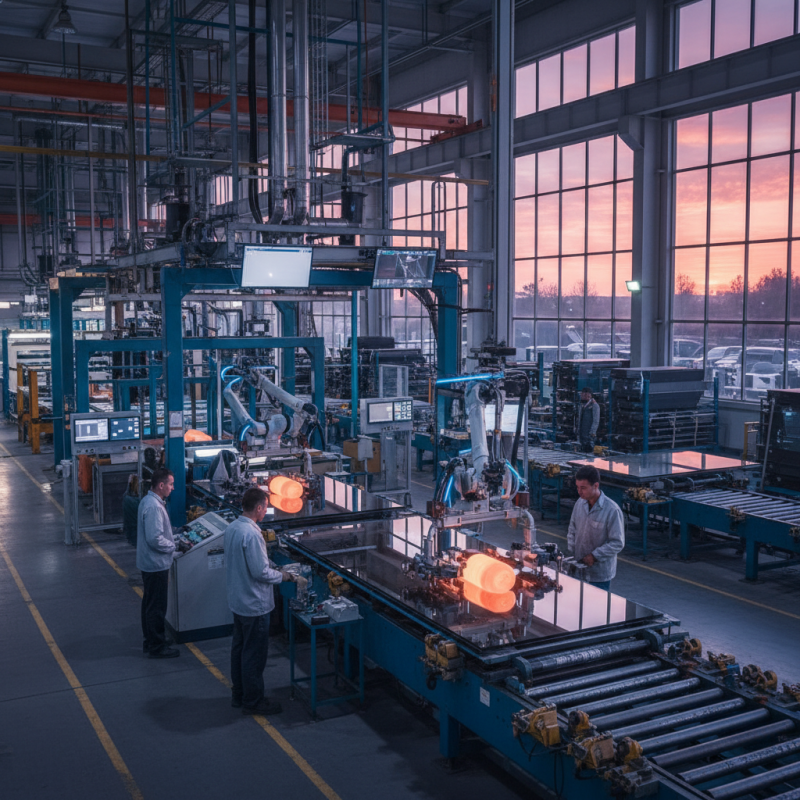
Reduce Glass Processing Costs with Optimized Workflow Solutions?

Understanding the Importance of Workflow Optimization in Glass Processing

In glass processing, workflow optimization significantly affects the overall efficiency and cost. A streamlined process can enhance productivity and minimize waste. By analyzing each step from cutting to finishing, manufacturers can identify bottlenecks. Implementing specific measures can lead to reduced downtime and improved output.

Understanding the workflow is crucial. Many organizations overlook small inefficiencies. For instance, delayed communication between teams can slow down production. This might seem minor but can accumulate to significant losses. Investing in training for staff on optimized processes can yield tangible results.

Moreover, revising equipment layout can enhance movement and reduce energy use. However, it's vital to regularly assess these changes. What worked last year might not work today. Continual reflection ensures adaptability and maintains a competitive edge. Each adjustment carries its risk, yet the potential benefits are worthwhile.

Identifying Key Areas for Cost Reduction in Glass Manufacturing

In glass manufacturing, cost pressures are constant. Identifying key areas for cost reduction can help optimize workflow solutions. One crucial area is the efficiency of raw material usage. Minimizing waste during production not only reduces costs but also conserves resources. Implementing precise measurements and adjustments can lead to significant savings over time.

Another focus is the maintenance of machinery. Regular preventive maintenance can reduce costly downtimes. However, many manufacturers overlook this aspect. This often leads to unexpected repairs and disruptions. Investing in a streamlined maintenance schedule could benefit efficiency and overall production costs.

Training employees is essential too. A well-trained workforce can reduce errors and enhance productivity. However, not all companies prioritize continuous training. This may seem minor, but it can lead to missed opportunities for improvement. Engaging workers in the optimization process can yield fresh insights and foster a culture of cost awareness. Balancing these factors requires ongoing reflection and adjustments.

Implementing Technology Solutions for Efficient Workflow Management

The glass processing industry faces significant challenges, especially regarding workflow efficiency. Recent studies indicate that over 30% of production costs are tied to inefficiencies in the workflow. To mitigate this, implementing technology solutions is essential. Automation tools can streamline operations, reducing labor costs by up to 25%. Advanced software helps in resource tracking and process optimization.

Investing in digital workflow management systems can yield substantial returns. For example, companies that adopted such technologies have reported up to a 40% improvement in operational speed. These systems reduce errors and minimize delays. However, not all organizations experience smooth transitions. Some struggle with employee training and resistance to change, indicating the need for a comprehensive change management strategy.

Technology integration must be handled with care. It’s crucial to customize solutions to fit specific operational needs. Irregular data management can lead to costly mistakes. Inexperienced implementation can exacerbate existing issues instead of solving them. Companies should continuously assess the challenges they face, leveraging feedback to refine processes.

Reduce Glass Processing Costs with Optimized Workflow Solutions

Stage Process Time (hrs) Cost per Unit ($) Technology Solutions
Cutting 2 50 Automated Cutters
Grinding 3 75 CNC Grinding Machines
Polishing 1.5 30 Automated Polishers
Finishing 2.5 40 Robotic Finishers
Quality Control 2 20 Image Recognition Software

Best Practices for Streamlining Glass Processing Operations

The glass processing industry faces significant challenges. A report by Smithers Pira noted that operational costs account for nearly 60% of total expenses in glass manufacturing. This emphasizes the urgent need for optimized workflows. Streamlining processes can drastically reduce waste and improve efficiency.

Implementing lean manufacturing principles can enhance glass processing operations. For instance, reducing setup times by 30% can lead to a 20% increase in overall production. Employees involved in production should receive continuous training. Training enhances skills, ensuring that workers operate machinery effectively. A skilled workforce can minimize errors and improve product quality.

Moreover, regular maintenance of machinery cannot be overlooked. Downtime from equipment failures significantly impacts productivity. The same Smithers Pira report stated that unplanned downtime could increase costs by up to 25%. Addressing these issues involves creating a maintenance schedule that minimizes disruptions. Identifying bottlenecks in the workflow can further optimize processes, allowing for smoother operations and reduced costs. Reflection on current practices is crucial to maintain competitiveness in a challenging market.

Measuring the Impact of Optimized Workflows on Cost Savings

In glass processing, optimized workflows can lead to significant cost savings. By analyzing the current processes, companies can identify bottlenecks and inefficiencies. Typical challenges include equipment downtime and slow material handling, which can inflate production costs. Measuring these impacts accurately is essential for understanding potential savings.

Implementing refined workflows encourages a more streamlined approach. For instance, reducing unnecessary steps can minimize labor costs and improve turnaround times. An efficient layout can optimize material flow, decreasing waste and enhancing quality control. However, achieving this may require initial investment and careful planning.

Some businesses may hesitate to make changes, fearing disruption. It's understandable; change often brings uncertainty. Yet, without addressing workflow issues, costs will likely continue to rise. Continuous evaluation and adjustment are critical for maintaining efficiency and competitiveness in the market. By measuring the impact of these optimized workflows, the path to savings becomes clearer, albeit challenging.

Impact of Optimized Workflows on Glass Processing Costs

FAQS

: What is a key area for cost reduction in glass manufacturing?

: Efficiency in raw material usage is crucial. Minimizing waste conserves resources and reduces costs.

How can machinery maintenance affect costs?

Regular preventive maintenance can reduce downtimes. Many manufacturers overlook this, leading to unexpected repairs.

Why is employee training important in glass manufacturing?

Well-trained employees reduce errors and enhance productivity. Continuous training should be prioritized for better outcomes.

What are lean manufacturing principles?

Lean manufacturing focuses on reducing waste and improving efficiency. It can significantly enhance glass processing operations.

How can setup times impact production?

Reducing setup times by 30% can increase overall production by 20%. This shows the importance of efficient operations.

What role does identifying bottlenecks play?

Identifying bottlenecks in workflows helps optimize processes. This can lead to smoother operations and lower costs.

How can organizations reflect on their practices?

Ongoing reflection on current practices is vital. It helps maintain competitiveness in a challenging market environment.

What can happen if machinery is not maintained?

Unplanned downtime from equipment failures can increase costs significantly. A maintenance schedule is essential to avoid disruptions.

Why might some companies neglect training?

Some organizations may view training as a minor expense. However, this oversight can lead to missed improvement opportunities.

What is a potential outcome of engaging workers in the optimization process?

Engaging workers can yield fresh insights. It fosters a culture of cost awareness and encourages continuous improvement.

Conclusion

Optimizing workflow in glass processing is crucial for enhancing efficiency and reducing costs. By understanding the intricacies of workflow optimization and identifying key areas within glass manufacturing that are ripe for cost reduction, businesses can significantly lower their overhead. Implementing advanced technology solutions for workflow management not only streamlines operations but also fosters productivity, enabling manufacturers to adapt to market demands swiftly.

Adopting best practices for glass processing operations is essential to achieving a smooth and effective workflow. Measuring the impact of these optimized processes can reveal substantial cost savings, proving the value of strategic changes. Ultimately, companies can effectively reduce glass processing costs through optimized workflow design, positioning themselves for greater competitiveness and sustainability in the manufacturing landscape.

Aria

Aria

Aria is a dedicated marketing professional with a deep passion for innovative strategies and a keen understanding of our company's product offerings. With a wealth of experience in the industry, Aria excels at crafting engaging content that highlights the unique features and benefits of our......