Honghe Machinery
In the competitive landscape of glass manufacturing, reducing costs without sacrificing quality is paramount. Industry reports indicate that optimizing workflow design can lead to significant cost reductions. For instance, a recent study by the Glass Association found that companies implementing streamlined processes can cut production costs by up to 30%. This highlights the importance of effective workflow strategies.
"Reduce Glass Processing Cost Through Optimized Workflow Design" is not merely a tagline; it's a necessity for modern manufacturers. With continuously rising raw material prices and labor costs, traditional processing methods may no longer be viable. Each inefficiency in the workflow translates to lost resources and increased expenses. Companies must critically assess their processes and seek improvements.
However, achieving an optimized workflow is a challenge. Many manufacturers struggle with outdated machinery and unclear communication channels within teams. It's essential to reflect on these pain points. A more cohesive approach, leveraging technology and employee training, may provide the necessary solutions. The future of glass processing depends on adopting innovative practices that prioritize efficiency and cost-effectiveness.
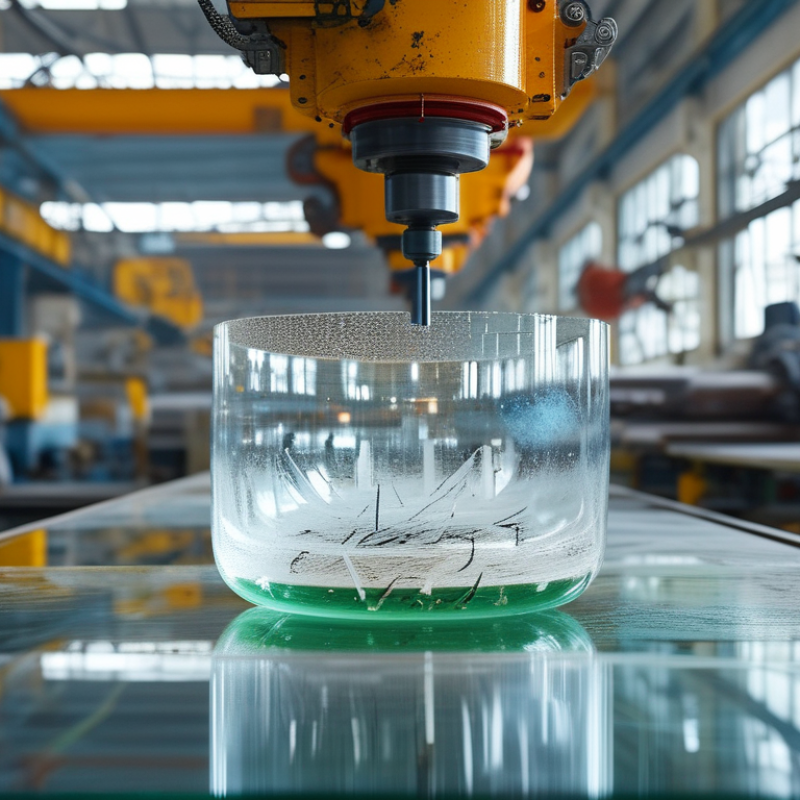
The glass processing industry faces significant challenges that contribute to rising costs. Labor shortages and increased energy expenses are pressing issues. Many facilities struggle to maintain productivity while keeping expenses low. Inefficient workflows lead to wasted time and resources. Understanding these factors is crucial for companies aiming to improve their bottom line.
One major cost driver is the outdated technology used in many glass processing operations. Manual processes can slow down production. Equipment breakdowns add to downtime and impact financial performance. Additionally, the lack of skilled workers exacerbates these issues. Investing in training can help mitigate some of these challenges. However, it requires time and resources that some businesses may find hard to allocate.
Moreover, the glass market is increasingly competitive. Companies must innovate to stay relevant. Optimizing workflows can greatly enhance productivity. Tightening supply chains and adopting data-driven decision-making are potential solutions. Companies often overlook the importance of small process adjustments. These minor changes can yield significant improvements over time. Addressing these challenges head-on is essential for future success.
Optimized workflow design is crucial in reducing glass processing costs. It streamlines operations, minimizes waste, and enhances productivity. A well-structured workflow identifies bottlenecks and eliminates inefficiencies. This approach allows for better resource management and reduces operational costs.
Analyzing each stage of the glass processing operation can yield significant insights. For instance, separating cutting and polishing tasks can prevent delays. Implementing team-based strategies improves communication among workers. Regular assessments of equipment usage help identify underperforming areas. Refining these processes can lead to notable savings in labor and materials.
However, not every improvement will be successful. Experimentation is necessary to find the best practices. Some adjustments may seem effective but might introduce new challenges. Continuous feedback loops are essential for fine-tuning operations. Embracing a culture of adaptability and learning is key to achieving lasting results in glass processing.
This chart illustrates the projected reduction in glass processing costs per unit from 2019 to 2026. By optimizing workflow design, companies can expect significant cost savings over the years.
The glass processing industry is undergoing significant transformations. Technological innovations are at the forefront of these changes. Automation and advanced manufacturing techniques reduce waste and improve efficiency. High-speed cutting machines have streamlined production, yet their integration can be costly and complex.
Tips: Consider implementing modular systems, which allow for quick adjustments to workflow. This flexibility can lead to better utilization of resources.
Data analytics has emerged as a critical tool. It helps companies identify bottlenecks and optimize processes. However, not all companies leverage this technology effectively. Failure to adapt can lead to missed opportunities.
Tips: Set up regular training sessions for staff on new technologies. This ensures that everyone is on the same page, maximizing productivity.
Investing in research and development is crucial. Yet, it’s essential to align innovation efforts with market needs. Overlooking customer feedback can lead to ineffective solutions. Understanding real challenges is vital for progress in glass processing efficiency.
In the glass processing industry, workflow optimization has proven essential. Case studies highlight several companies that successfully implemented changes. One notable instance involved a manufacturer reducing defects by 30%. This improvement was achieved by redesigning their workflow to enhance quality checks. The new process allowed for faster identification of issues.
Another case focused on a small workshop that previously struggled with production delays. They adopted a lean approach, focusing on simplifying their operation steps. The team created a visual map of their process, which brought hidden inefficiencies to light. They were able to cut down production time by 20%. However, this required employee buy-in and training, which initial resistance sometimes hampered.
While successes abound, challenges remain. Some businesses find it difficult to track performance metrics accurately. They often need to invest in better monitoring systems. Additionally, not all employees adapt easily to new workflows. Training sessions may reveal gaps in understanding. It’s a process that requires ongoing reflection and adjustment.
| Case Study | Initial Cost ($) | Optimized Cost ($) | Cost Reduction (%) | Implementation Time (weeks) | Key Improvements |
|---|---|---|---|---|---|
| Case Study A | 50,000 | 35,000 | 30% | 12 | Automated cutting, streamlined logistics |
| Case Study B | 75,000 | 52,500 | 30% | 10 | Improved scheduling, reduced waste |
| Case Study C | 60,000 | 42,000 | 30% | 14 | Efficient inventory management |
| Case Study D | 80,000 | 56,000 | 30% | 8 | Enhanced workflow analytics |
The glass processing industry is evolving rapidly. As costs rise, businesses face pressure to optimize workflows. Embracing advanced technologies can lead to significant savings. Automated systems reduce labor costs while enhancing efficiency. Streamlining processes lowers waste and maximizes output.
Tips: Assess your current workflow. Identify bottlenecks that slow down production. A thorough analysis reveals areas for improvement. Consider investing in training. Skilled employees can operate new technologies effectively, leading to better results.
Sustainability is another trend shaping glass processing. Companies are adopting eco-friendly practices, which can also cut costs. Recycled materials are becoming more common. Implementing energy-efficient methods reduces utility bills. Reflect on the importance of adapting to these trends for future success.
: Labor shortages and energy costs are major challenges affecting productivity and expenses.
Outdated technology slows production and increases equipment breakdowns, leading to financial losses.
A lack of skilled workers exacerbates production issues, highlighting the need for training.
Optimizing workflows and adopting data-driven decision-making can significantly enhance productivity.
Automation and advanced manufacturing techniques help reduce waste and improve efficiency.
Data analytics identifies bottlenecks, helping companies optimize processes and improve performance.
Modular systems allow for quick workflow adjustments, leading to better resource utilization.
Regular training on new technologies ensures everyone maximizes productivity and stays updated.
Companies must align innovation with market needs and pay attention to customer feedback.
Small adjustments can lead to significant improvements in efficiency and overall performance.
The article "Reduce Glass Processing Costs with Optimized Workflow Design 2026" delves into the intricate dynamics of glass processing costs and the challenges faced by the industry today. It outlines key principles of optimized workflow design that can significantly enhance operational efficiency, thereby illustrating how strategic layout and process improvements can streamline production. Technological innovations are highlighted, showcasing how advancements like automation and data analytics are pivotal in influencing glass processing efficiency.
Through compelling case studies, the article demonstrates successful implementations of workflow optimization, reinforcing the notion that reducing glass processing costs through optimized workflow design is not just a theoretical concept but a practical reality. Looking ahead, the discussion on future trends emphasizes the importance of adopting innovative strategies and technologies to continuously lower costs and improve productivity in the glass processing sector.
