Honghe Machinery
In the glass industry, precision is non-negotiable. As we approach 2026, ensuring accuracy in glass cutting and shaping processes remains paramount. Renowned expert Dr. Emily Carter, a leader in glass technology, emphasizes, "Precision in glass cutting directly influences the quality of the final product." Her insights underscore the importance of adopting the latest techniques and tools.
Many companies struggle with inconsistencies in their production lines. The gaps in skill and technology can lead to wasted materials and subpar products. This is not just a minor setback; it can significantly impact a business's reputation. To maintain a competitive edge, the industry must innovate continuously. Ensuring precision in glass cutting and shaping processes involves integrating advanced machinery and training skilled professionals.
As we move forward, the challenge will be to reconcile traditional methods with modern technology. It is essential to reflect on our practices. This balance is crucial for achieving high standards in glass production. The road ahead requires commitment, investment, and a willingness to adapt. Embracing these changes will ultimately define success in the industry.
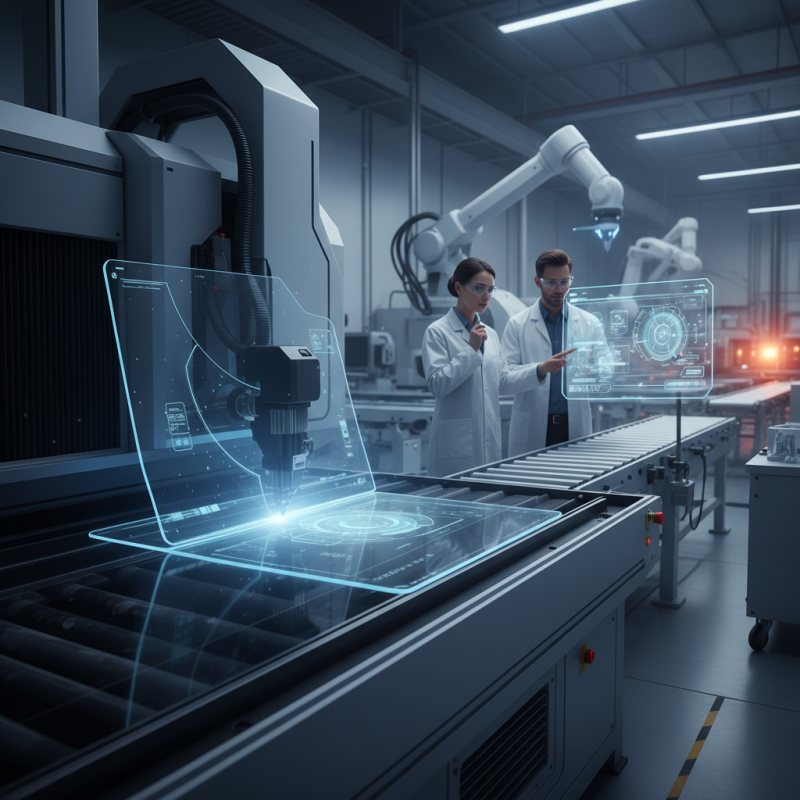
In 2026, the glass cutting industry is set to experience remarkable advancements. New tools will focus on enhancing precision and efficiency. Innovations like laser-guided cutting systems will provide users with unmatched accuracy. These systems will reduce errors and waste, streamlining production processes.
Moreover, advancements in materials for cutting tools will lead to increased durability. Carbide and diamond composites are becoming more common. However, the cost of these materials can be quite high. Smaller businesses may struggle to invest in these technologies.
Yet, despite these innovations, there is a learning curve. Training and experience remain critical. Operators must adapt to new equipment. Many may face challenges in mastering these tools, leading to inconsistent results. Continuous improvement through practice and feedback will be essential for success in this evolving field.
Cutting and shaping glass requires precision and skill. Several techniques can help artisans refine their approach. Understanding the right tools is fundamental. A quality glass cutter ensures clean lines. Sharp blades make a significant difference in the outcome. Pay attention to the pressure applied while cutting. Too much force can lead to cracks.
Tips: Always practice on scrap pieces before tackling your main project. This allows for adjustments without compromising your final piece.
Shaping glass involves more than just cuts. Smooth corners require annealing or grinding. This not only enhances safety but also improves the aesthetics of your glasswork. Mistakes can happen, and learning from these is vital. Even a slight error in angle can distort the final shape.
Tips: Keep a journal of your techniques and outcomes. Reflecting on what worked—and what didn’t—builds skill over time.
In the glass cutting industry, precision is paramount. Quality control measures play a vital role in ensuring that each piece meets high standards. Recent reports highlight that nearly 30% of glass defects arise during the cutting process. This statistic emphasizes the critical need for effective quality control. Implementing robust measurement techniques can significantly reduce these defects.
To enhance quality assurance, many companies adopt automated cutting systems. These systems utilize advanced sensors and software for real-time adjustments. Research indicates that businesses employing automated solutions witness a 25% decrease in production errors. Regular calibration of cutting tools is essential to maintain accuracy. Operators must be vigilant about tool wear and make necessary adjustments promptly.
Feedback loops are crucial for continuous improvement. Many teams rely on post-production inspections to identify recurring issues. Data suggests that about 18% of errors go unnoticed during initial checks. This highlights a gap in the quality control process. Teams must focus on integrating more comprehensive inspection practices to mitigate these oversight issues. Addressing these concerns will enhance the overall efficacy of glass cutting operations.
| Process | Precision Level (%) | Quality Control Measure | Frequency of Checks | Remarks |
|---|---|---|---|---|
| Glass Cutting | 95 | Laser Alignment | Every 2 hours | Use laser calibration tools |
| Glass Shaping | 92 | Visual Inspection | Hourly | Check for smooth edges |
| Polishing | 90 | Surface Roughness Test | Every shift | Maintain polishing tool condition |
| Finishing | 93 | Dimensional Verification | Every batch | Confirmed with digital calipers |
The future of glass fabrication machinery focuses on automation and precision. As technology advances, the tools and machines used for glass cutting and shaping are evolving.
High-speed laser cutters and CNC machines are becoming more common. They offer enhanced accuracy and reduce waste. These innovations may lead to new designs that were previously unattainable.
However, challenges still exist. Automation can sometimes lead to a lack of personalization in designs. While machines enable mass production, they may undermine the artistry involved in traditional glassmaking.
Balancing technology and craftsmanship is crucial. It’s essential to consider how automation affects the quality of unique, handcrafted pieces.
Another trend is the rise of smart machinery. These machines can integrate AI and IoT technologies for better efficiency. They allow for real-time monitoring and maintenance. However, reliance on technology raises questions about job displacement and the need for skilled workers.
Training programs must adapt to prepare craftspeople for this shift in the industry.
In the evolving glass cutting industry, training and skills development are crucial for professionals. A report by the Glass Association states that over 70% of industry workers lack specialized training in advanced cutting techniques. This gap highlights a pressing need for structured educational programs. As technology advances, so do the tools and methods used in glass shaping. Understanding these innovations is vital.
Hands-on workshops and online courses can bridge this knowledge gap. According to a survey, 65% of professionals believe that practical experience significantly improves their skills. Investing in these training opportunities leads to improved precision in glass cutting. However, some local training centers may lack the latest technology, which can hinder learning outcomes. Reflecting on the industry's growth shows that continuous education is not merely beneficial; it is essential.
Moreover, mentorship plays a critical role. Experienced professionals can offer insights that textbooks cannot provide. However, finding mentors with the necessary expertise can be challenging. This need for quality mentorship underscores the importance of community engagement within the field. As the industry strives for excellence in glass shaping, the spotlight on effective training solutions must remain unwavering.
: Precision ensures clean cuts and avoids cracks in the glass. It greatly affects the final outcome.
A quality glass cutter with sharp blades is essential for achieving clean lines.
Even small errors in angle can distort the final shape, impacting the quality of the work.
Practice on scrap pieces helps refine techniques and allows for mistakes without damaging main projects.
Documenting techniques and outcomes helps identify what works and what doesn’t, fostering skill improvement.
Hands-on workshops and online courses significantly enhance skills and understanding of new technologies.
Many workers lack specialized training, highlighting the need for structured educational programs.
Mentors provide valuable insights that can accelerate learning, though finding experienced mentors can be tough.
Yes, many professionals believe that hands-on experience greatly enhances their cutting skills.
As industry advancements occur, staying updated with new techniques is vital for maintaining precision and quality.
The article titled "Ensure Precision in Glass Cutting and Shaping Techniques for 2026" explores the latest advancements in tools and technologies designed to enhance precision in glass cutting and shaping processes. It highlights essential techniques that professionals can adopt to achieve an impeccable finish, alongside the quality control measures critical to maintaining high standards in glass fabrication.
As the industry progresses, future trends indicate a significant shift towards automation and improved machinery, aimed at increasing efficiency and accuracy. Moreover, the article emphasizes the importance of training and skill development for glass cutting professionals to ensure precision in glass cutting and shaping processes. These developments are vital for the industry's growth as we approach 2026, ensuring that quality and innovation continue to drive success.
