Honghe Machinery
In the competitive landscape of glass manufacturing, optimizing energy consumption is crucial for sustainability and cost efficiency. Industry expert Dr. Emily Carter, a leading authority in energy management, emphasizes, "To optimize energy consumption in glass manufacturing operations, we must integrate innovative technologies and continuous process improvements." This statement encapsulates a significant challenge faced by manufacturers today.
Energy-intensive processes dominate glass production, leading to substantial operational costs. Companies often overlook the importance of energy optimization in favor of production speed. However, implementing energy-efficient practices can yield both environmental and financial benefits. This dual advantage should not be underestimated. Even minor adjustments in operational practices can lead to significant energy savings and a lower carbon footprint.
Many glass manufacturers are still seeking effective strategies to enhance energy efficiency. This can be a complex task, as it requires a deep understanding of not just machinery but also the processes involved. Every decision made in this area plays a role in shaping a more sustainable future for the industry. The journey toward optimized energy consumption is ongoing, necessitating a commitment to innovation and responsibility.
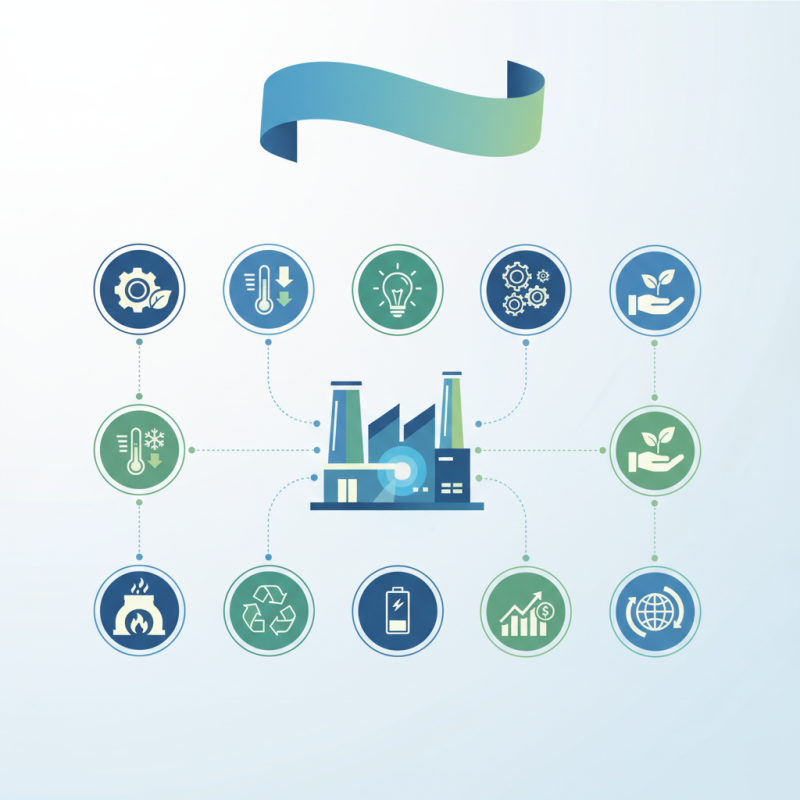
Energy consumption in glass manufacturing is a critical concern for both manufacturers and the environment. The process is energy-intensive, often dominated by melting and forming operations. Understanding energy consumption patterns is essential for developing effective optimization strategies.
Implementing efficient equipment can significantly reduce energy use. For instance, investing in energy-efficient melting furnaces can lower operational costs. It might be expensive upfront, but it leads to long-term savings. Regular maintenance of existing machinery is also key. A well-maintained furnace operates more efficiently.
Employee training plays a vital role as well. Teaching staff about energy-saving practices creates a culture of efficiency. Simple changes, like turning off equipment when not in use, can greatly impact overall consumption. Monitoring energy usage regularly helps identify areas for improvement. Each step can lead to better energy management in glass manufacturing.
In glass manufacturing, energy-intensive processes create significant costs. Identifying these areas is crucial for optimizing overall energy consumption. The melting stage is one of the primary culprits, consuming a large portion of the energy required to produce glass. High temperatures, often exceeding 1,700 degrees Fahrenheit, are essential for melting raw materials. However, even slight reductions in temperature can lead to substantial energy savings.
Another critical phase is the forming process. This stage involves shaping molten glass into final products, and it often requires substantial energy input. Improvements in equipment efficiency can make a notable difference. For example, utilizing advanced molds can help maintain consistent temperatures, reducing the overall energy needed. Furthermore, regular maintenance of machinery ensures optimal performance and less energy wastage.
Despite these opportunities, producers may overlook smaller processes that also contribute to energy use. For instance, cooling and annealing stages are often neglected. Ensuring that these processes are efficient can enhance energy savings. Each step in glass production has room for improvement, but it requires a proactive approach. Evaluating energy flow in every phase is essential to highlight potential savings and foster sustainable practices.
In the glass manufacturing sector, energy costs comprise a significant portion of operational expenses, often exceeding 30%. This heavy reliance on energy highlights the importance of implementing energy-efficient technologies. Upgrading to smart sensors and automation systems can reduce energy consumption by up to 20%. These technologies ensure that machinery operates only when necessary, optimizing the overall energy usage.
Incorporating advanced furnace designs can further enhance energy efficiency. For example, a regenerative glass furnace can recover and reuse heat effectively, potentially cutting energy needs by 40%. Adopting these solutions requires initial investment and technical expertise. Yet, industry reports show that the long-term savings often justify these upfront costs.
Employee training is crucial in this process. Workers should be equipped with knowledge on operating new equipment efficiently. Reports indicate that companies emphasizing continuous workforce education see performance impacts up to 15%. However, resistance to change can hinder progress, highlighting the need for strong leadership and commitment to energy optimization. Each step taken towards energy efficiency not only drives down costs but also contributes to sustainability efforts in the glass industry.
In glass manufacturing, energy optimization is crucial. Implementing waste heat recovery systems can dramatically improve efficiency. According to the U.S. Department of Energy, about 30% of the energy consumed in glass production can be recovered as waste heat. This can be repurposed for processes like preheating raw materials, leading to significant energy savings.
To effectively adopt these systems, consider these tips. Analyze your current energy usage to identify waste heat sources. It is critical to evaluate the quality and quantity of heat available. Integrating heat exchangers can convert exhaust heat into usable energy. Furthermore, regular maintenance of these systems ensures optimal performance.
Investing in advanced monitoring technology can also help track energy flow. This data can highlight inefficiencies in production. Facilities should consider retraining staff. They must understand the importance of minimizing energy waste. Even minor adjustments in operational practices can yield impressive results. Balancing energy consumption while ensuring production quality remains a challenge, but it is a necessary reflection for future improvements.
Effective employee training on energy management is crucial in glass manufacturing. Engaging employees helps them understand energy consumption and its impact. Training sessions should focus on practical knowledge. Use real-world examples to illustrate energy-saving techniques. This approach makes the training more relatable.
Interactive workshops can enhance learning. Involve employees in discussions about energy-efficient practices. Encourage them to share their experiences. This creates a culture of awareness and responsibility. Utilize visual aids and demonstrations to show the benefits of energy management. This can help solidify understanding.
However, training should also address mistakes and overlooked practices. Employees may feel uncertain about implementing changes. Recognizing this hesitation is important. Provide a safe space for questions and discussions. This promotes a more open dialogue. Regular training updates ensure that employees are kept informed about the latest methods. This continuous learning will drive energy efficiency forward in the workplace.
: The main processes include melting, forming, cooling, and annealing stages. Melting consumes the most energy.
The melting stage requires high temperatures, often exceeding 1,700 degrees Fahrenheit. Lowering these temperatures can save energy.
Using advanced molds can maintain temperature consistency. Regular equipment maintenance also helps reduce energy waste.
Yes, cooling and annealing stages are often overlooked but play a significant role in energy use.
Implementing smart sensors and automation can cut energy use by up to 20%. It optimizes machinery based on need.
Regenerative furnaces recover heat effectively, potentially reducing energy needs by 40%. However, they require an initial investment.
Training equips workers with knowledge on efficient equipment operation. Companies see up to 15% performance improvement when they invest in it.
Resistance to change can hinder progress. Strong leadership and commitment are necessary to drive energy optimization initiatives.
Yes, long-term savings from these technologies often justify upfront costs. Sustainability efforts benefit as well.
Regularly evaluating energy flow in every phase highlights potential savings. A proactive approach is crucial for sustained efficiency.
The article "10 Tips to Optimize Energy Consumption in Glass Manufacturing" offers a comprehensive look at enhancing energy efficiency within the glass production sector. It begins by providing an overview of current energy use trends in glass manufacturing, emphasizing the need for improved practices. The identification of energy-intensive processes plays a crucial role in recognizing areas for potential savings. Implementing energy-efficient technologies and equipment is highlighted as a primary method to reduce consumption effectively.
Furthermore, the article discusses the benefits of adopting waste heat recovery systems, which can significantly contribute to overall energy optimization. Lastly, it underscores the importance of employee training in energy management, ensuring that staff are equipped with the knowledge and skills to support efforts to optimize energy consumption in glass manufacturing operations. This holistic approach not only fosters sustainability but also enhances operational efficiency and reduces costs.
