Honghe Machinery Honghe Machinery

10 Best Tips to Minimize Glass Breakage Rate in Processing Lines?

Time:2026-07-26 Author:Liam
0%

Glass processing is an intricate industry where minimizing breakage is crucial. High breakage rates can lead to significant financial losses and operational inefficiencies. To effectively Minimize Glass Breakage Rate in Professional Processing Lines, it's essential to adopt best practices tailored to the unique challenges faced in this field.

Each step in the processing line must be carefully monitored. Regular training for employees can ensure everyone understands the proper handling techniques. Small mistakes, like improper stacking or pressure application, can lead to costly damage. Implementing specific protocols for each processing stage can help in mitigating risks associated with glass breakage.

While equipment plays a significant role, human factors cannot be overlooked. Workers' attention to detail and adherence to safety guidelines are critical. Finding the right balance between technology and human oversight is often where companies falter. Continuous evaluation and adjustment of strategies are necessary to create a robust framework for minimizing glass breakage. Explore the strategies outlined in this article to enhance your processing operations.
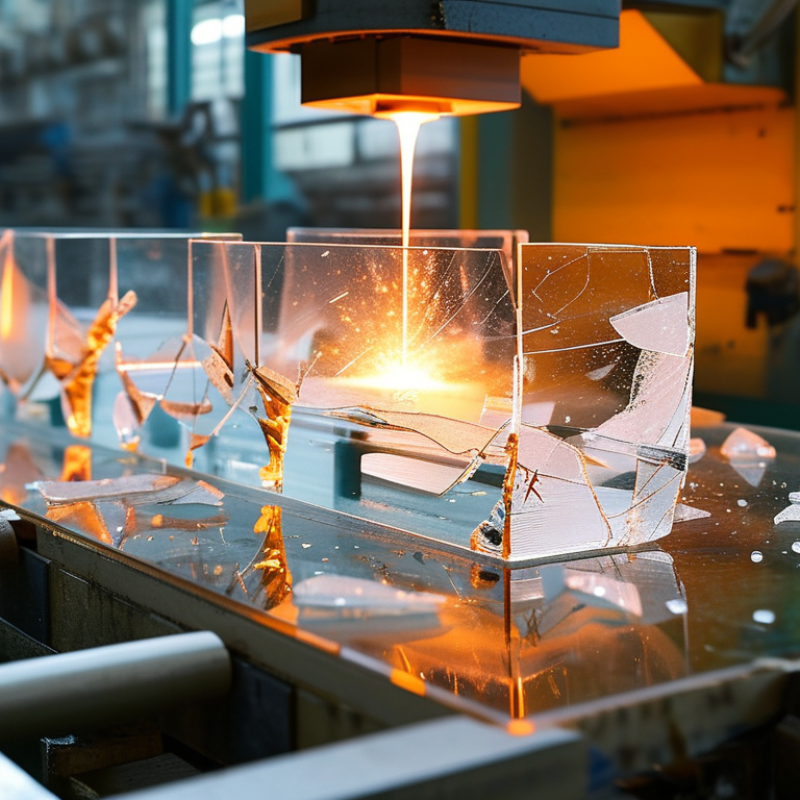
10 Best Tips to Minimize Glass Breakage Rate in Processing Lines?

Best Practices for Selecting Quality Glass Materials in Processing

Selecting quality glass materials is crucial for reducing the breakage rate in processing lines. Opt for tempered glass over regular glass. Tempered glass is stronger and more resistant to stress. Consider thickness as well; thicker glass withstands impact better. It’s also essential to evaluate glass properties like elasticity and thermal resistance.

Pay attention to source reliability. Work with reputable suppliers who provide certified materials. Quality assurance from manufacturers can reduce risks. Regularly inspect the materials you receive. Minor flaws can lead to major issues during processing. Be mindful of glass types suited to your specific needs. Each application may require unique specifications.

Finally, don’t overlook the environment where glass is processed. Temperature fluctuations and humidity can affect glass integrity. Implement a controlled environment whenever possible. Reflect on past breakages and analyze their causes. Use those insights to refine your material selection process. Small improvements can lead to significant reductions in breakage over time.

Techniques to Optimize Glass Handling and Transportation Procedures

Efficient glass handling and transportation are crucial in minimizing breakage rates in processing lines. The use of specialized padding can significantly reduce impact during transport. Ensure all handling equipment has soft grips to prevent slipping. Regular training for staff on handling techniques is essential. Workers must understand the importance of gentleness in every movement.

Transportation routes should be clearly defined, minimizing sharp turns and sudden stops. This allows for smoother transit and decreases the chances of breakage. Investing in vibration-dampening equipment can also make a notable difference. However, not every method is fail-proof. Sometimes, despite precautions, accidents still occur. Regularly reviewing incident reports can provide insights into potential areas for improvement.

Additionally, ensure that the storage areas are organized and clutter-free. Crowded spaces increase the risk of accidents. Consider color-coding storage sections to clearly identify different types of glass. This simple strategy can help in preventing mix-ups. The goal is to create an environment where glass is handled with utmost care and attention, leading to fewer incidents of breakage.

Implementing Effective Inspection Procedures to Identify Defects

Implementing effective inspection procedures is crucial in minimizing glass breakage rates in processing lines. According to industry reports, up to 30% of glass products are damaged during production due to undetected defects. Establishing robust inspection practices can significantly reduce this figure. Inspectors should be trained to identify common defects such as surface scratches and bubbles, which often lead to structural weaknesses.

Utilizing advanced technologies, such as automated visual inspection systems, increases detection accuracy. These systems can operate at high speeds without compromising quality. A study from the Glass Manufacturing Industry Council found that companies adopting automated inspections reported a 25% reduction in breakage rates. Regular training sessions for staff can enhance their ability to spot anomalies effectively. It is not just machinery that needs attention; workforce expertise is vital.

Despite improvements, challenges remain. Many facilities still rely on manual inspections, leading to inconsistent results. It’s vital to review current inspection protocols regularly. Gathering data on inspection outcomes can help identify areas needing improvement. Transparency in reporting defects encourages a culture of safety and quality. All measures combined form a more reliable glass processing environment.

10 Best Tips to Minimize Glass Breakage Rate in Processing Lines?

Tip Number Tip Description Implementation Method Expected Reduction in Breakage Rate (%)
1 Regular Inspection of Bottling Equipment Schedule daily checks and maintenance 15%
2 Implement Automated Detection Systems Install cameras and sensors for real-time monitoring 25%
3 Staff Training on Proper Handling Techniques Conduct workshops and ongoing training 20%
4 Use Quality Glass Materials Source materials from reputable suppliers 30%
5 Optimize Conveyor Speed Adjust speed based on glass type and handling 10%
6 Implement Shock Absorption Techniques Use cushions and padding in processing areas 18%
7 Regular Personnel Audits Evaluate staff handling and adherence to protocols 12%
8 Use of Safety Equipment Provide protective gear for glass handling 14%
9 Conduct Root Cause Analysis for Breakages Analyze past incidents to improve processes 22%
10 Establish Clear Communication Protocols Utilize tools for reporting and feedback 16%

Utilizing Advanced Machinery for Precision Cutting and Shaping

In the glass processing industry, precision is key. Utilizing advanced machinery for cutting and shaping can significantly reduce the glass breakage rate. Reports show that high-precision machines can lower the breakage rate to below 5%. This improvement is critical for manufacturers aiming to uphold quality standards and minimize waste.

Advanced machinery employs cutting-edge technology, such as laser or water jet cutting. These methods ensure clean edges and precise measurements. Engineers must also regularly maintain these machines. Neglect can lead to inconsistent results and increase the risk of breakage. Proper training for operators is equally important. Inexperienced staff might mishandle equipment, leading to accidents.

However, even with advanced machinery, challenges exist. Some types of glass are inherently more fragile. Glass thickness and type play a crucial role in processing. For example, tempered glass can withstand more stress than standard glass. Producers must balance efficiency with quality. Finding this balance requires ongoing assessment of both machinery and materials. Continuous improvement is essential in this competitive field.

Training Staff on Safe Glass Handling to Reduce Breakage Risks

Effective glass handling is crucial in minimizing breakage rates during production. Training staff plays a significant role in achieving this goal. According to a recent report by the Glass Manufacturing Industry Council, about 80% of glass breakage occurs due to improper handling. This statistic highlights the importance of reinforcing safe practices among employees.

When training staff, focus on practical techniques. Demonstrate correct lifting methods and the proper use of protective gear. Regular workshops can significantly reduce accidents. The American Society of Safety Professionals emphasizes that engaging training sessions lead to a 50% decrease in injuries and breakage. Provide hands-on experiences where employees practice safe glass handling. Use metrics to track progress and address areas needing improvement.

Creating a culture of safety is essential. Employees should feel empowered to speak up about unsafe practices. A report from the Occupational Safety and Health Administration shows a direct connection between workplace culture and breakage rates. When staff members recognize their role in maintaining safety, overall glass integrity increases. Regular feedback sessions can drive continuous improvement and reflect on safety practices in the workplace.

FAQS

: What are effective methods for handling glass during transportation?

: Using specialized padding reduces impact. Soft grips on equipment prevent slips. Regular staff training is essential.

How should transportation routes be organized?

Clearly define routes to avoid sharp turns and sudden stops. This helps achieve smoother transit with less breakage.

What role does storage area organization play in glass handling?

Cluttered spaces increase accident risks. Keeping areas organized and color-coded helps prevent mix-ups and ensures safety.

How does advanced machinery influence glass processing?

High-precision machines can lower breakage rates to below 5%. They enable accurate cutting and shaping of glass.

Why is regular maintenance of machinery important?

Neglecting machine maintenance can lead to inconsistent results. This increases the risk of glass breakage during processing.

What should operators know about machinery handling?

Proper training is crucial. Inexperienced operators may mishandle equipment, leading to accidents and damaged glass.

Are all types of glass equally durable during processing?

No, some glass types are more fragile. Thickness and type, like tempered glass, affect how much stress they can handle.

Can accidents still happen despite precautions?

Yes, sometimes accidents occur even with careful planning. Regularly reviewing incident reports can highlight areas for improvement.

Is it possible to balance efficiency and quality in glass processing?

Finding a balance is challenging. Continuous assessment of machinery and materials is necessary for maintaining quality standards.

Conclusion

To minimize glass breakage rate in professional processing lines, it's essential to implement a series of best practices throughout the production pipeline. Selecting high-quality glass materials serves as the foundation for durability and safety. Alongside this, optimizing handling and transportation procedures minimizes the risk of accidental damage during movement.

Equally important is the implementation of thorough inspection procedures that can effectively identify any defects before the glass is processed. Utilizing advanced machinery designed for precision cutting and shaping further reduces the likelihood of breakage. Finally, investing in training staff on safe glass handling techniques helps foster a culture of caution and awareness, significantly lowering the chances of mishaps in glass processing. These strategies collectively contribute to a substantial reduction in the glass breakage rate within professional processing lines.

Liam

Liam

Liam is a dedicated marketing professional with a profound expertise in the industry, where he excels at highlighting the unique advantages of our core products. With a keen understanding of market trends and consumer needs, Liam frequently updates our company’s professional blog, providing......