 Honghe Machinery
Honghe Machinery
Honghe Machinery
In today’s glass processing industry, minimizing breakage is crucial. Dr. Emily Johnson, an expert in glass manufacturing, emphasizes this by stating, "Reducing glass breakage isn't just about loss; it's about efficiency and safety." Her insight highlights the importance of minimizing the glass breakage rate in professional processing lines.
Breakage can lead to significant downtime and increased costs. Factors like handling, equipment, and environmental conditions all play a vital role. Each step in the process presents risks. Workers must remain vigilant and adopt best practices. It's not just about having advanced technology; training is also key. Employees need to understand how to handle glass carefully.
Despite efforts, breakage may still occur. This reality forces teams to reflect on their methods and processes. Constant assessment can drive improvements. Companies should analyze incidents to learn from mistakes. In doing so, they can develop strategies that effectively minimize glass breakage rates in professional processing lines. Adaptation and continuous improvement are essential in reducing overall losses and enhancing productivity.
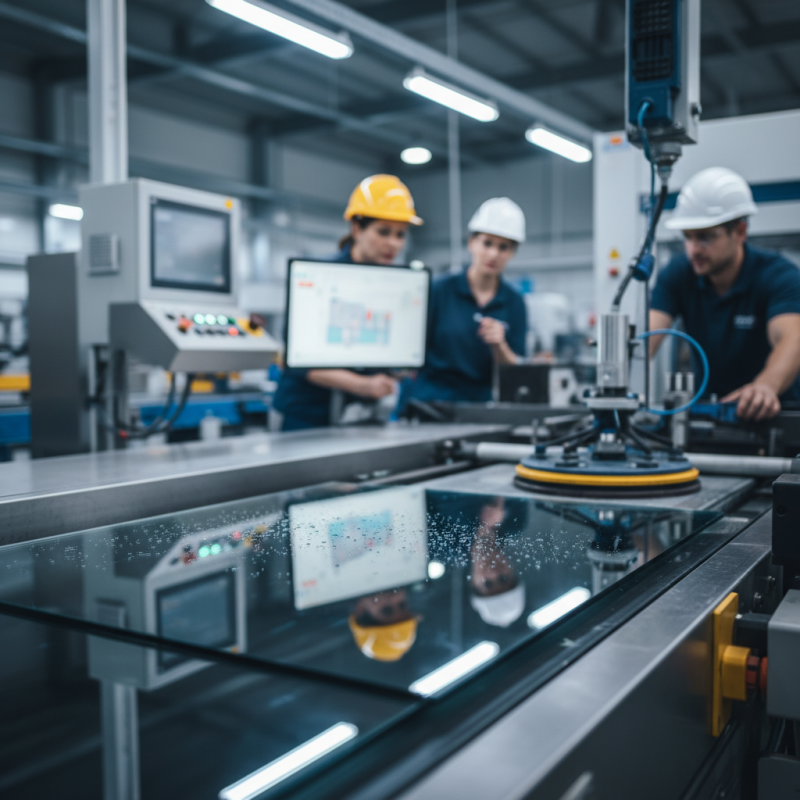
In glass processing lines, breakage is a common issue. Understanding the causes is crucial. According to industry reports, nearly 30% of glass loss happens during processing. Factors such as temperature fluctuations, poor handling techniques, and environmental stresses can lead to unexpected breakage.
To reduce glass breakage, consider the following tips. First, maintain a consistent temperature throughout the processing stages. Sudden changes in temperature can create stress points in the glass. Secondly, train staff in proper handling techniques. Reports indicate that improper handling accounts for 20% of glass damage. Lastly, invest in quality packaging materials. This can drastically lower breakage rates during transportation.
It’s essential to regularly review processes. Are there frequent points of failure? Are operators adequately trained? Engaging in this reflective practice can help identify weaknesses. As processing lines evolve, so do the challenges. Awareness and adaptation are key to minimizing glass breakage.
| Tip | Description | Impact on Breakage | Implementation Ease |
|---|---|---|---|
| 1. Use Tempered Glass | Utilize tempered glass which is stronger and more resistant to breakage. | High | Moderate |
| 2. Maintain Proper Equipment | Regular maintenance of machinery to prevent unexpected impacts. | High | High |
| 3. Optimize Handling Procedures | Train staff on proper handling techniques to avoid bumps. | Medium | High |
| 4. Implement Soft Start Mechanisms | Use soft starts on machines to reduce sudden jolts. | High | Moderate |
| 5. Control Temperature Fluctuations | Maintain stable temperature in processing areas to avoid thermal stress. | High | High |
| 6. Use Protective Padding | Add padding to surfaces that glass may come into contact with. | Medium | Easy |
| 7. Record Breakage Incidents | Keep logs of breakage to identify patterns and causes. | Medium | Easy |
| 8. Use Sensor Technology | Employ sensors to detect vibration and potential breaking points. | High | Moderate |
| 9. Schedule Regular Training | Conduct training sessions on safety and best practices. | Medium | High |
| 10. Review Supplier Quality | Ensure glass suppliers meet quality and safety standards. | High | Moderate |
: Proper equipment settings can reduce glass breakage by up to 30%. High speeds may stress glass, causing cracks.
Maintaining a consistent temperature reduces thermal shock. Fluctuations can raise breakage chances by 25%.
Dull or misaligned tools can fracture glass. Regular maintenance and sharp tool checks are necessary to avoid issues.
Almost 30% of breakage occurs due to human error. Comprehensive training improves handling techniques and enhances safety.
Practical demonstrations on safe lifting techniques are essential. Refresher courses keep safety protocols fresh in staff minds.
Even the best training is ineffective in a neglected environment. Hazards increase risks, requiring continuous workspace evaluation.
Automated systems can reduce breakage rates by up to 40%. Monitoring glass thickness allows for timely adjustments.
This approach enhances efficiency and reduces waste. Clear communication on handling protocols also lowers accident risks.
Regular checks enhance reliability and prevent unexpected breakage. Neglecting equipment wear can lead to costly losses.
Emphasizing continuous care and training can minimize breakage incidents. Organizations should focus on both processes and environment.
To minimize glass breakage rate in professional processing lines, it is essential to first understand the underlying causes of breakage, such as mishandling or improper equipment settings. Implementing effective material handling practices can significantly reduce the risk of breakage by ensuring that glass is transported and stored safely.
Additionally, optimizing equipment settings tailored to the specific glass types can enhance durability and reduce the chances of breakage during processing. Training staff on best practices is crucial, as knowledgeable team members can identify risks and handle glass more safely. Finally, utilizing technological innovations can improve handling efficiency, further minimizing breakage rates. Together, these strategies create a comprehensive approach to ensuring safer glass processing and maximizing operational efficiency.
