Honghe Machinery
The glass production industry faces significant challenges in efficiency and sustainability. According to a report by the International Glass Association, nearly 30% of production energy is wasted due to outdated methods. This inefficiency not only raises costs but also contributes to a larger carbon footprint. To remain competitive, manufacturers must explore new avenues.
Modern processing technology offers promising solutions to this dilemma. Techniques such as automation and advanced melting processes can substantially enhance performance. For instance, using artificial intelligence and machine learning for quality control can reduce defects by up to 15%. When companies aim to improve glass production efficiency with modern processing technology, they can optimize resource utilization and minimize waste.
However, the transition to new technologies is not without hurdles. Many factories struggle to integrate modern systems with existing workflows. Training and adaptation costs can be high, creating a barrier to adoption. A careful evaluation of these challenges is essential for a smooth transition. Embracing modern technology requires a balance between investment and long-term gain.
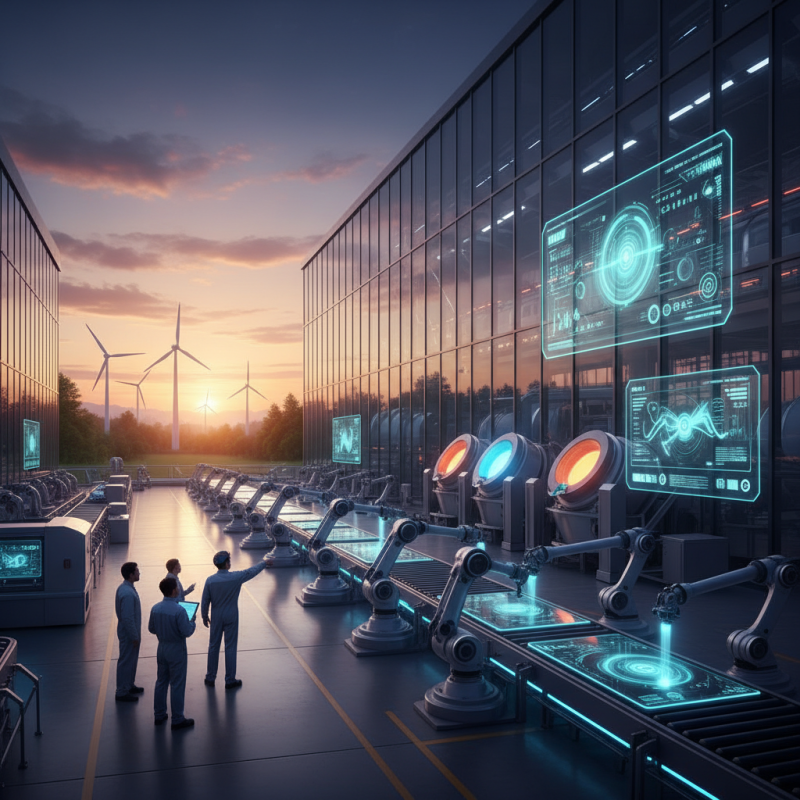
Modern technology significantly enhances glass production efficiency. Industry reports indicate that automation can improve productivity by up to 30%. Automated systems minimize manual errors, leading to higher consistent quality. Additionally, smart sensors in manufacturing units provide real-time data. This data helps in monitoring issues instantly, preventing costly downtimes.
Moreover, sustainable technologies are making strides. Energy-efficient furnaces can reduce energy consumption by 20-30%. Adopting renewable energy sources, such as solar power, is gaining traction. This change not only lowers costs but also aligns with global sustainability goals. Implementing these technologies may require upfront investment, but the long-term savings are substantial.
Tips:
- Regularly analyze production data for inefficiencies.
- Consider small-scale automation options to test effectiveness.
- Keep appraised of new technologies entering the market.
Embracing these advancements demands reflection. Companies need to address worker training for new systems. Balancing technology and human skill is crucial. While tech can enhance production, the human touch is irreplaceable.
Automation in glass manufacturing significantly enhances efficiency. According to industry reports, companies implementing automated systems have seen production rates increase by 25% or more. These systems streamline processes, reduce labor costs, and minimize human error. For instance, automated glass cutting machines perform with precision that manual methods cannot match, allowing for optimized material usage.
However, there are challenges in adopting these technologies. Integration of automation requires significant upfront investment, and not all companies can bear the cost. Furthermore, employee training is essential. Without it, production can falter. Reports indicate that over 40% of manufacturers faced delays in implementation due to insufficient staff training. This highlights the importance of balancing technology with adequate preparation and skill development.
Moreover, while automation can boost productivity, it may not address all inefficiencies. Some processes remain complex and require human oversight. Unanticipated maintenance issues can also disrupt operations. It's crucial for manufacturers to continuously assess their systems. Smart automation provides benefits, but a thorough understanding of its limitations is necessary for sustainable growth in glass production.
Data analytics is transforming glass production processes. By leveraging various analytical tools, manufacturers can gain deeper insights into operations. Monitoring performance metrics in real-time helps identify areas that need improvement. For instance, tracking the temperature variations in melting furnaces can reveal inefficiencies. This enables more precise control over production conditions.
Additionally, predictive maintenance techniques can prevent costly downtimes. Analyzing historical equipment data allows teams to predict failures before they occur. Regular maintenance checks could be scheduled based on these insights. However, some manufacturers still struggle with adopting data analytics fully. They may hesitate to invest in updated technology or lack trained personnel.
Another challenge lies in data interpretation. Not every team member may be adept at analyzing data trends. Misinterpretations can lead to poor decision-making. Continuous training and a culture of data literacy must be promoted. The journey towards maximizing efficiency through data analytics is ongoing. Each step must be carefully considered to ensure lasting improvements.
This chart illustrates the production efficiency of glass manufacturing over the last five years. The data demonstrates how implementing data analytics and modern technology has led to significant improvements in production output.
Integrating sustainable practices into glass production is essential for modern manufacturers. The glass industry faces significant environmental challenges. Traditional production methods often result in high energy consumption and waste. Embracing advanced technologies can help alleviate these issues.
One effective approach is adopting more efficient melting processes. Utilizing electric furnaces can reduce carbon emissions significantly. These furnaces use less energy compared to conventional methods. Additionally, recycling cullet is a critical step. Incorporating recycled glass lowers raw material needs and minimizes landfill waste. However, not all manufacturers prioritize this practice, leading to missed opportunities for sustainability.
Investing in automation and IoT (Internet of Things) technology can enhance monitoring and maintenance. Smart sensors collect real-time data, ensuring optimal performance. Improvements in machine efficiency may reduce operational costs. Still, many companies struggle to implement these changes fully. There is often resistance to shifting from traditional practices to more innovative methods. Balancing production efficiency with sustainable goals requires ongoing reflection and adaptation.
In recent years, innovative equipment has transformed glass production. High-efficiency furnaces now replace older models. These new systems consume less energy while yielding higher outputs. This shift not only reduces costs but also lowers environmental impact.
Using automation and smart sensors enhances quality control. Real-time data allows for immediate adjustments during production. This minimizes defects and waste, leading to a more efficient process. Such advancements encourage manufacturers to embrace technology, but many hesitate. Not all companies find it easy to adapt.
Tips: Consider investing in training for your team. Familiarity with new technology boosts confidence. Regularly assess machinery for performance gaps. Small changes today can lead to big improvements tomorrow. Embracing tech might seem daunting, but it could redefine your production capacity. Balancing tradition and innovation is essential.
| Technology | Efficiency Improvement (%) | Investment Cost ($) | Payback Period (Years) |
|---|---|---|---|
| Automated Production Lines | 25 | 500,000 | 2 |
| Advanced Ninety-Four A (A94) Technology | 15 | 300,000 | 3 |
| 3D Printing Technology | 20 | 400,000 | 4 |
| Real-Time Monitoring Systems | 18 | 150,000 | 1.5 |
| Energy Recovery Systems | 22 | 250,000 | 2.5 |
: Automation can enhance productivity by up to 30%. It reduces manual errors, leading to consistent quality.
Smart sensors provide real-time data, helping monitor issues instantly and preventing costly downtimes.
Energy-efficient furnaces can cut energy use by 20-30%, lowering costs and supporting sustainability goals.
Companies may struggle with worker training. Balancing technology and human skills is essential for success.
Data analytics reveals operational insights. It helps identify inefficiencies and improve production conditions.
Predictive maintenance prevents costly downtimes by analyzing historical data to forecast potential equipment failures.
Some struggle to invest in technology or lack trained personnel to analyze data effectively.
Not all team members can interpret data well. Regular training helps promote data literacy and informed decision-making.
Regular analysis can identify inefficiencies, but it requires a commitment to embracing new technologies and systems.
Testing small-scale automation can help evaluate effectiveness before a larger rollout, but the approach needs careful reflection.
The article explores how to improve glass production efficiency with modern processing technology by highlighting several key aspects. It discusses the advantages of integrating modern technology into the glass production process, which can lead to increased productivity and reduced waste. Automation systems play a crucial role in enhancing efficiency in glass manufacturing, allowing for precision and speed in production.
Additionally, the use of data analytics is emphasized as a vital tool for optimizing glass production, enabling manufacturers to make informed decisions based on real-time data. The article also addresses the importance of sustainable practices that can be integrated with advanced glass technology, ensuring environmentally friendly production processes. Lastly, innovative equipment and techniques are identified as revolutionary forces that can significantly enhance overall production efficiency in the glass industry.
