Honghe Machinery
Improving edge quality in industrial glass processing is crucial for both functionality and aesthetics. Renowned glass processing expert, Dr. Emily Chen, states, “The edge is the unsung hero of glass products. It defines both strength and style.” Proper edge treatment can significantly enhance the durability and appearance of glass items. However, many industries overlook this aspect.
Neglecting edge quality can lead to defects, impacting product integrity. For instance, a poorly finished edge might not only result in aesthetic flaws but also compromise the structural performance of glass. This reflects a persistent issue in the industry—a gap between processing standards and actual practices.
Investing in edge quality supports better performance in applications like architecture and automotive. Yet, some manufacturers remain hesitant, prioritizing cost over quality. Improving edge quality in industrial glass processing should not be optional; it is essential for meeting market demands and ensuring customer satisfaction. Companies must consider the long-term benefits of investing in superior edge processing techniques.
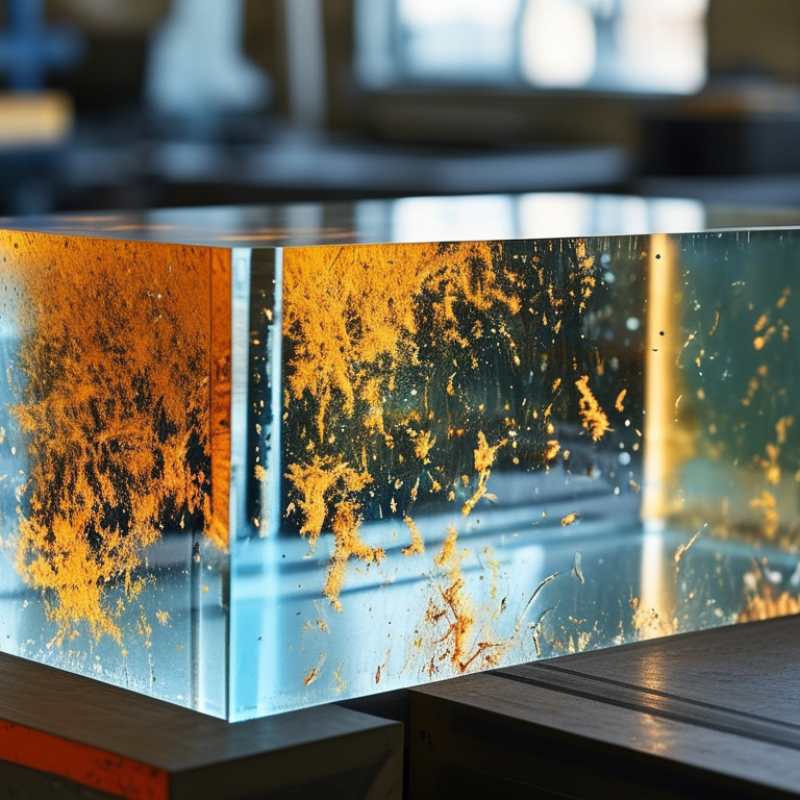
Understanding edge quality in industrial glass processing is crucial for achieving optimal performance. According to recent industry reports, edge quality influences 60% of glass product durability and visual appeal. The edge is the primary contact point for handling and further processing, making its condition essential for manufacturing consistency.
Analyzing edge quality involves examining factors such as smoothness, sharpness, and the presence of defects. A study by the Glass Association highlighted that poorly finished edges can lead to increased breakage rates. Companies reported a 30% rise in rework costs due to unacceptable edge conditions. These costs undermine profit margins and challenge operational efficiency.
Investing in enhanced edge quality can provide significant benefits. However, achieving perfection remains elusive. In some cases, even experienced manufacturers face difficulty in maintaining consistent edge parameters. Regular training and adherence to best practices can mitigate these challenges. Nevertheless, the complexity of glass processing demands continuous innovation and adaptation to improve outcomes in edge quality.
In industrial glass processing, edge quality plays a critical role in durability and safety. A sharp or uneven edge can lead to fractures during handling or use. This could result in severe injuries and costly damages. Industries using glass products must prioritize edge finishing to minimize these risks. A smooth edge can enhance not only product longevity but also user confidence.
Additionally, quality control processes must assess edge characteristics. Technologies like waterjet cutting or laser finishing are effective. However, improper settings can exacerbate edge imperfections. Regular training for operators is essential to ensure they understand techniques and monitor quality. If not, the consequences could impact the entire production line.
Moreover, achieving consistent edge quality is a complex challenge. Even with advanced machinery, human error is always a factor. If an operator overlooks a flaw, the end product might fail safety tests. Continuous feedback loops and inspections can help catch these oversights. It is vital to reflect on processes regularly and strive for improvement, even in established routines.
This chart illustrates the relationship between edge quality and product durability in months. As edge quality improves, the durability of the glass products significantly increases, highlighting the importance of quality in industrial glass processing.

Enhancing edge quality in glass manufacturing is crucial for both aesthetics and functionality. Sharp edges can lead to safety hazards and damage during handling. To improve edge quality, several techniques exist, each with its unique benefits and challenges.
One common method is precision grinding. This technique removes irregularities from the glass edges, making them smoother and safer. However, it requires skilled operators and can be time-consuming. Waterjet cutting is another technique that minimizes chipping and ensures clean cuts. It is fast but may not always achieve the desired edge finish.
Polishing is also essential in edge quality improvement. While it enhances appearance, it can sometimes lead to imperfections if not done correctly. Furthermore, not every glass type behaves the same during processing. Some may require specific treatments to achieve optimal results. Understanding these nuances is vital to ensure quality control in production.
Improving edge quality in industrial glass processing has significant economic implications. According to a report by the Glass Manufacturing Industry Council, enhancing edge quality can reduce defects by up to 30%. This reduction directly impacts yield rates, leading to cost savings. A comprehensive study indicated that manufacturers could increase profitability by 15% with improved edge quality, suggesting a close link between quality and economic performance.
When assessing edge quality, consider investing in advanced cutting techniques. Precision tools can produce cleaner edges, minimizing the need for rework. Research indicates that from 2020 to 2021, companies that upgraded their edge finishing processes experienced a 20% increase in product quality ratings. Investing in better technology not only elevates product standards but also enhances customer satisfaction.
Monitor your production statistics. Sometimes, even minor edge defects can escalate costs due to increased waste. Analyzing data regularly will shed light on production bottlenecks. It’s crucial to identify where the edge quality might be lacking. This proactive approach can lead to increased efficiency, reducing long-term costs substantially. Implementing best practices aids in establishing an industry benchmark for quality, allowing companies to stay competitive.
In the glass industry, edge quality is a critical aspect that influences product performance and customer satisfaction. Recent reports indicate that nearly 70% of glass defects originate from poor edge finishing techniques. This underscores the urgency for manufacturers to refine their processes. High-quality edges not only elevate aesthetic appeal but also enhance strength and durability, essential factors for functional applications.
Future trends point toward increasingly stringent edge quality standards. A study predicts that by 2025, the industry will adopt automated inspection technologies. These advancements will help identify edge flaws with greater precision, reducing the margin for human error. However, achieving perfect edges remains a challenge. Manufacturers must embrace continuous training and technological upgrades to meet evolving expectations.
Investment in edge quality improvements is expected to yield significant returns. Research suggests that companies enhancing their edge processes can see up to a 25% increase in customer retention. As competition heats up, those who fail to adapt may struggle to survive. Striving for impeccable edge quality is a journey, and companies must regularly reflect on their practices to stay ahead.
: Edge quality affects product performance and customer satisfaction, with 70% of defects linked to poor finishing.
Enhancing edge quality can raise profitability by 15% due to fewer defects and higher yield rates.
Investing in advanced cutting techniques and precision tools helps produce cleaner edges and reduces rework.
Regularly analyzing production statistics can reveal areas needing improvement and reduce long-term costs.
The industry is likely to adopt automated inspection technologies by 2025 for more precise flaw detection.
Companies that fail to adapt may struggle to retain customers and remain competitive in the market.
Yes, continuous training and technology upgrades are necessary to meet evolving edge quality expectations.
Companies may see up to a 25% increase in customer retention when they improve edge processes.
Identify and address edge quality issues early to increase efficiency and minimize waste.
Regular reflection helps companies adjust and improve their processes, staying ahead in a competitive industry.
Improving edge quality in industrial glass processing is essential for enhancing both product durability and safety. Glass products with high-quality edges are less prone to chipping and breakage, which can pose significant risks in various applications. The article outlines techniques such as precision grinding and polishing, which can effectively enhance edge quality during the manufacturing process. Moreover, investing in these improvements not only contributes to safer products but also results in economic benefits through reduced waste and increased customer satisfaction.
As the glass industry evolves, future trends indicate a shift towards stricter edge quality standards driven by technological advancements and growing consumer demands for higher safety and durability. Manufacturers are encouraged to focus on quality enhancement as a strategic priority to stay competitive. In summary, to maintain relevance and improve overall product performance, it is imperative to improve edge quality in industrial glass processing.