Honghe Machinery Honghe Machinery

How Can China Best Glass Factories Enhance Automation?

Time:2026-09-14 Author:Ethan
0%

China’s glass industry is moving from labor-intensive production toward connected, data-driven manufacturing. Yet automation does not mean placing robots beside every furnace. It means building a reliable system that improves safety, consistency, energy use, and delivery performance. To Enhance Automation Level in Modern Glass Factories, manufacturers should examine each production stage, from raw-material batching to cutting, tempering, inspection, and packaging.

The most practical starting point is accurate data. Sensors can monitor furnace temperature, pressure, glass thickness, and cooling speed in real time. Automated guided vehicles can move heavy sheets across marked factory routes. Vision systems can identify scratches, bubbles, and edge defects before shipment. These tools work better when connected to a manufacturing execution system. Managers can then trace a defect to a batch, machine, or shift within minutes.

Small improvements matter.

However, many factories still operate with aging equipment, isolated control systems, and inconsistent maintenance records. This reality makes full automation expensive and risky. A phased plan is more dependable: upgrade critical sensors, standardize digital records, train operators, and test one production line before wider deployment. Human judgment remains valuable during unusual glass behavior, equipment failure, or changing customer requirements. Automation should support experienced workers, not simply remove them.

Reliable progress also requires clear safety procedures, supplier evaluation, cybersecurity controls, and measurable performance targets. Energy consumption per square meter, rejection rates, downtime, and inspection accuracy can reveal whether an investment truly works. The best Chinese glass factories will not chase impressive machinery alone. They will combine engineering discipline, worker experience, verified data, and continuous review to create automation that is efficient, maintainable, and trustworthy.
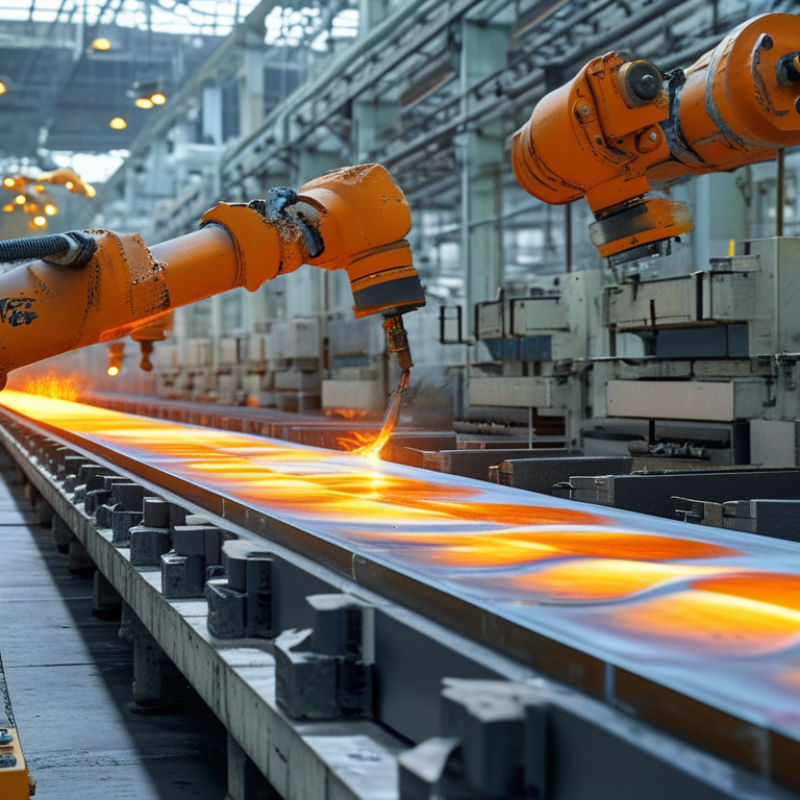
How Can China Best Glass Factories Enhance Automation?

Assess Glass-Line OEE, Defect Rates, and Downtime Against 85% Targets

How Can China Best Glass Factories Enhance Automation?

Automation should be judged by production evidence, not installed equipment. Chinese glass factories can begin with glass-line OEE, defect rates, and downtime records. An 85% OEE target is useful, but it should match each line’s product mix and furnace condition. Availability, performance, and quality must be calculated from the same shift data. Otherwise, the percentage looks precise but remains misleading.

Track edge chips, bubbles, scratches, thickness variation, and optical distortion by hour. Link every defect to temperature, speed, raw material moisture, or forming pressure. A sudden defect increase after a speed change may reveal an unstable process, not poor operator performance. Downtime logs should identify waiting, cleaning, mold changes, sensor faults, and unplanned maintenance separately. In practice, audits often find repeated five-minute stops missing from official reports. That gap deserves review. Perfect data is unlikely.

Tips: Place a simple live dashboard beside the control room. Review OEE at every shift handover. Set an 85% target gradually, then investigate the weakest component. Use cameras for inspection, but verify alerts manually during early deployment. Keep rejected samples in labeled trays for weekly analysis. Automation needs disciplined feedback. Without it, faster machines can produce defects faster.

Connect PLC, SCADA, and MES Systems for Subminute Production Traceability

How Can China Best Glass Factories Enhance Automation?

Connect PLC, SCADA, and MES Systems for Subminute Production Traceability

Glass production needs faster answers when defects appear. A PLC records furnace temperature, gob weight, forming pressure, and annealing conditions. SCADA displays alarms and process trends in real time. MES connects these events with the batch, shift, mold, and inspection result. Together, they can create a digital production record in under 60 seconds. Operators can trace one defective bottle back to its process conditions, not merely to a daily production report.

Deloitte’s 2024 Smart Manufacturing and Operations Survey found that 92% of manufacturers view smart manufacturing as important for competitiveness. The World Economic Forum’s Global Lighthouse Network reports also document factories achieving major gains in productivity, quality, and lead time through connected operations. These figures are encouraging, but glass plants should avoid copying generic templates. A furnace and forming line behave differently. Data tags need clear units, timestamps, and ownership. Otherwise, automation only produces faster confusion.

Tips: Start with one line and three critical events. Synchronize PLC and MES clocks. Store raw data before applying filters. Test traceability during shift changes and planned maintenance. A perfect data model is unlikely. Review it monthly, because operators often discover gaps that engineers miss. Also, protect access rights and retain audit records according to applicable requirements.

Automate Glass Handling and Logistics to Exceed 90% Line Availability

How Can China Best Glass Factories Enhance Automation?

Automate Glass Handling and Logistics to Exceed 90% Line Availability

In a modern glass factory, downtime often begins between processes, not inside the furnace. A sheet waits beside a conveyor while operators search for a safe transfer route. Automated handling can connect cutting, edging, washing, inspection, and packing with fewer interruptions. Vacuum lifters, guided carts, and synchronized conveyors reduce unnecessary movement. They also protect workers from repeated lifting and unstable loads.

Reliable automation needs more than fast machines. Sensors should confirm glass position, surface condition, and pallet capacity before each transfer. A central control system can record stoppages within seconds. Managers can compare planned time, running time, and minor stops. With disciplined maintenance, line availability can exceed 90 percent, but results depend on product mix and scheduling. Small delays still matter.

Our experience with production layouts shows that bottlenecks are often practical. A pallet may be placed two meters too far away. A scanner may lose data after dust builds up. These details require weekly checks and clear manual override procedures. Automation should expose weak processes, not hide them. Factories should test one logistics zone first, measure recovery time, and improve worker training. Perfect uptime is unlikely. A flexible system is more valuable.

Deploy AI Vision Inspection for 100% Surface Coverage and 99% Detection

How Can China Best Glass Factories Enhance Automation?

AI vision inspection can make glass production more consistent, especially when surface defects are difficult to see. A practical system uses synchronized cameras, controlled lighting, and software trained for scratches, bubbles, cracks, stains, and coating marks. It should inspect both sides, edges, and corners, not only the center surface. This supports 100% surface coverage during continuous production.

A detection rate of 99% is achievable only under validated conditions. Camera resolution, line speed, glass thickness, lighting stability, and defect size all affect performance. Factory engineers should test the system with certified defect samples and compare results against trained inspectors. Production data should also be reviewed weekly. False alarms waste time. Missed defects damage trust.

Human review still matters.

Operators can examine rejected panels through stored images and defect coordinates. This creates an auditable record for quality teams and customers. Integration with cutting, tempering, and packaging systems can automatically stop a risky batch or adjust process settings. Yet automation is not magic. Dust on a lens, changing reflections, or poorly labeled training images can reduce accuracy quickly. Regular calibration, clean equipment, and retraining are essential. A small manual sampling plan remains useful, even when every panel receives automated inspection.

Optimize 1,500–1,600°C Furnaces to Reduce Energy Use by 5–10%

Glass factories can improve automation by treating the furnace as a measured process, not a fixed machine. At 1,500–1,600°C, small control errors create substantial energy losses. Calibrated thermocouples should monitor several zones, including the crown, sidewalls, and exit area. Automated oxygen control can then adjust combustion without constant manual intervention.

A practical trial should begin with a stable production week. Record fuel use, glass output, exhaust temperature, oxygen levels, and rejected pieces. Use these figures as a baseline. Batch preheating and waste-heat recovery can reduce the load on burners. Carefully tuned air-fuel ratios may deliver another improvement. In suitable lines, combined measures can lower energy consumption by 5–10 percent.

The target must not be forced. Excessive temperature reduction can increase bubbles, inclusions, or forming defects. That risk is easy to underestimate. Operators should connect furnace data with quality records and review alarms daily. Predictive maintenance can identify blocked burners, leaking valves, or drifting sensors before they distort the process. Yet automation is not automatically accurate. Sensors need scheduled calibration, and control software requires human review. A staged adjustment of 5–10°C is safer than a dramatic change. Some furnaces respond slowly, so results should be checked across several production cycles. Even detailed data can mislead when batch moisture, cullet ratio, or product thickness changes.

FAQS

How should a glass factory measure automation performance?

Use shift data, not equipment lists. Calculate availability, performance, and quality together. Compare the result with an 85% OEE target. The target may need adjustment for product mix and furnace condition.

Which glass defects should factories track?

Record edge chips, bubbles, scratches, stains, and thickness variation. Optical distortion also matters. Track each defect by hour, line speed, temperature, and forming pressure. A speed change can expose process instability.

How can downtime records become more accurate?

Separate waiting, cleaning, mold changes, sensor faults, and maintenance. Small stops matter. Repeated five-minute delays often disappear from official reports. Review logs during every shift handover.

Can artificial vision inspect every glass surface?

It can inspect both sides, edges, and corners during continuous production. Use synchronized cameras and stable lighting. The system should identify scratches, bubbles, cracks, stains, and coating marks. Coverage claims still require testing.

Is a 99% detection rate always realistic?

No. Accuracy depends on camera resolution, line speed, glass thickness, lighting, and defect size. Test the system with known defect samples. Compare results with trained inspectors. Missed defects damage confidence.

Does human inspection remain necessary after automated vision deployment?

Yes, especially during early deployment. Operators should review rejected panels, stored images, and defect locations. Manual sampling remains useful. Dust, reflections, or weak training labels can reduce accuracy quickly.

How can furnace automation reduce energy consumption?

Monitor several zones between 1,500 and 1,600°C. Measure fuel use, glass output, exhaust temperature, and oxygen levels. Batch preheating and waste-heat recovery may reduce burner demand. Suitable lines may save 5–10 percent energy.

What risks come with reducing furnace temperature?

Large temperature changes can create bubbles, inclusions, or forming defects. Adjust settings gradually, such as 5–10°C at a time. Review several production cycles. Sensor calibration and human review remain necessary. Data can still mislead.

Conclusion

Modern glass manufacturers can Enhance Automation Level in Modern Glass Factories by first measuring operational performance against clear benchmarks. Monitoring overall equipment effectiveness, defect rates, and downtime helps identify production bottlenecks and establish an 85% OEE target. Integrating PLC, SCADA, and MES systems can create continuous data visibility, enabling subminute production traceability and faster responses to process deviations.

Automation should also extend to material handling, warehousing, and internal logistics to support more than 90% line availability while reducing manual risks. AI-powered vision inspection can examine the full glass surface and improve defect detection accuracy to 99%, helping maintain consistent quality. In addition, intelligent furnace control at 1,500–1,600°C can balance temperature stability, throughput, and fuel consumption, with the potential to reduce energy use by 5–10%. Together, connected systems, automated movement, precise inspection, and optimized thermal management create a more efficient, reliable, and data-driven glass production environment.

Ethan

Ethan

Ethan is a seasoned marketing professional with a deep expertise in our company's innovative product line. With a passion for sharing knowledge and insights, he takes the lead in regularly updating our corporate blog, where he explores industry trends, product features, and effective marketing......