Honghe Machinery
Enhancing glass surface quality is crucial in various industries, including automotive, electronics, and architecture. Advanced processing methods play a vital role in achieving this goal. According to a recent report by Research and Markets, the global glass processing market is projected to reach $62 billion by 2025, reflecting the industry's growing focus on quality.
Dr. Lisa Harrington, a renowned expert in materials science, emphasized the importance of these methods. She stated, "To enhance glass surface quality via advanced processing methods, we must leverage both technology and innovation." This perspective highlights the need for continuous improvement and adaptation in glass processing techniques.
Current challenges in glass surface quality often stem from imperfections and variability in production. While many processing methods exist, not all yield optimal results. Companies must evaluate their processes critically. Investing in advanced techniques is essential for maintaining competitiveness and meeting customer demands for superior glass products.
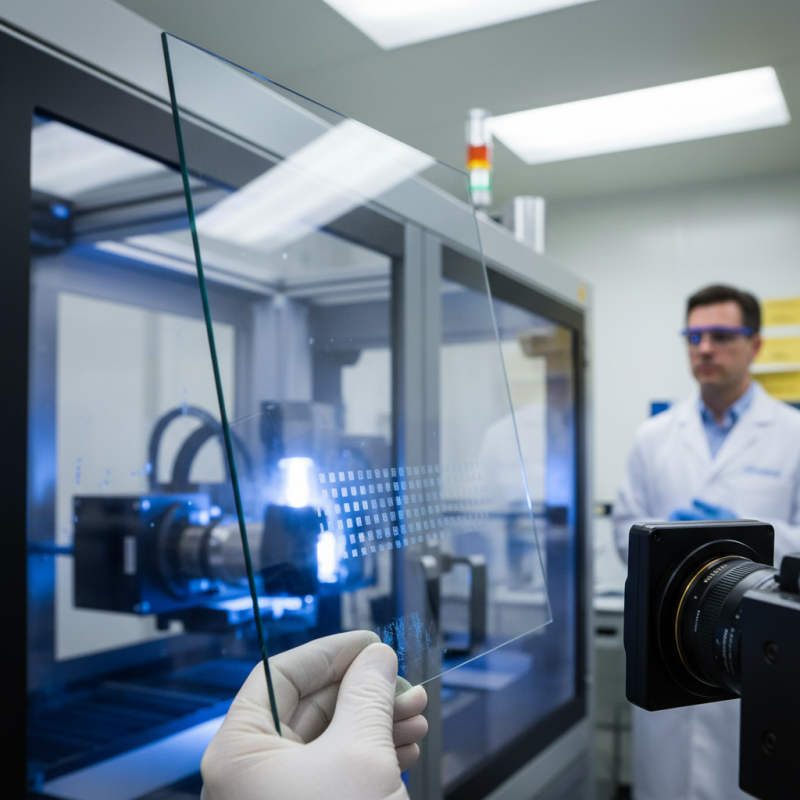
The glass industry is witnessing rapid advancements in surface processing technologies. Innovative methods enhance durability and aesthetic appeal. According to a recent market analysis, the global glass surface treatment market is expected to grow by 6% annually over the next five years. This growth is largely driven by demand for scratch-resistant and easy-to-clean surfaces, vital in both commercial and residential sectors.
New techniques such as laser engraving and chemical polishing are transforming glass surfaces. Laser engraving allows for intricate designs without compromising integrity. Meanwhile, chemical polishing offers a smoother finish, impacting light transmission and overall clarity. However, these methods are not without challenges. The cost of equipment and the skill required to operate it can limit accessibility for smaller manufacturers.
Furthermore, environmental considerations must be addressed. Many processing methods consume significant water and energy. Sustainable practices are gaining traction, yet the industry still struggles with waste management. As professionals tackle these issues, it becomes clear that while advancements are promising, there is room for improvement and innovation. The focus needs to remain on balancing quality enhancements with sustainability.
In the glass manufacturing industry, surface quality is crucial.
A well-finished glass surface enhances clarity and reduces defects.
Various surface finishing techniques exist, each with unique benefits and drawbacks.
Sandblasting is one common method, creating a textured surface.
It improves grip but can also lead to inconsistent finishes if not carefully controlled.
Polishing, on the other hand, provides a smooth and shiny finish.
This technique involves using abrasives or chemicals. While effective, it can sometimes overlook fine details, leading to imperfections.
Chemical etching offers precise patterns but requires careful handling.
Mixing these techniques may yield better results, yet it demands expertise.
Each method has its limitations, necessitating critical evaluations.
Understanding the nuances of each process is vital for achieving desired outcomes.
Striking the right balance between texture and clarity is challenging but essential for quality glass products.
Manufacturers must reflect on their processes to enhance surface quality continuously.
Nano-coatings significantly enhance glass surface quality. These ultra-thin layers improve durability, making glass more resistant to scratches and environmental damage. The technology works at the molecular level, creating a protective barrier. When applied, it can lead to a smoother surface, reducing friction and wear.
However, the application process requires precision. If not done correctly, the nano-coating might not adhere well, leading to peeling or bubbling. This can compromise the quality and effectiveness of the coating. Users should consider specific environmental factors, like humidity, which may affect the curing time.
Aesthetically, nano-coatings can also improve optical clarity. They often result in a glass surface that is easier to clean. Dirt and grime struggle to bond, making regular maintenance simpler. Yet, while these coatings provide undeniable benefits, ongoing research is needed. Understanding long-term effects and optimal application methods remains vital for maximizing their potential.
Laser treatments have become essential for enhancing glass surface characteristics. Traditional methods often leave behind minor defects and inconsistencies. By utilizing laser technology, manufacturers can achieve a smoother and more uniform surface. This precision in surface treatment can reduce light scattering, leading to better optical clarity. Studies suggest that laser processing can improve the surface roughness by up to 50%, significantly enhancing the visual appeal of glass products.
However, laser treatments present challenges. The integration of lasers requires skilled operators and precise calibration. Variability in glass composition can yield different results. For example, research indicates that soda-lime glass may react differently than borosilicate glass under laser treatment. This inconsistency demands careful consideration during the processing phase. The energy settings, focus, and speed must be meticulously adjusted to avoid excessive melting or cracking.
Industry reports show that the global demand for high-quality glass is increasing. The architectural and automotive sectors are driving this need. Failures in the surface quality can lead to product rejection, impacting production costs. Investing in advanced laser processing methods is a step forward, but understanding their limitations is equally crucial for achieving optimal results.
Achieving superior glass surface quality requires a focus on specific industry standards and metrics. Surface roughness is a critical measure, often determined using profilometry. This device quantifies the microscopic imperfections that impact the glass's appearance and functionality. The commonly accepted unit for measuring this roughness is the Ra value, which indicates average roughness. A lower Ra signifies a smoother surface, enhancing optical clarity.
Another vital metric is transmittance, which refers to the percentage of light that passes through the glass. High transmittance levels are essential for applications like display technology and architectural glass. In practice, factors such as coating or polishing techniques can affect this value. It is not uncommon for manufacturers to face challenges when trying to improve both transmittance and surface roughness simultaneously.
Moreover, assessing scratch resistance can provide further insights into glass durability. Scratch tests are standard in the industry. However, results can vary based on processing methods. Occasionally, improvements in one area may lead to compromises in another. This highlights the need for continuous refinement of processing techniques. Balancing these metrics effectively can define the quality of glass products in competitive markets.
: They enhance surface quality and durability. Glass becomes more resistant to scratches and environmental damage.
Precision is crucial. Poor application can lead to issues like peeling or bubbling, which diminish quality.
Humidity is significant. It can affect the curing time and overall effectiveness of the coating.
They create a smoother surface. Dirt struggles to bond, making cleaning easier and less frequent.
Key metrics include surface roughness and transmittance. Both are vital for aesthetic and functional quality.
It’s typically measured using profilometry. The Ra value indicates average roughness; lower values are better.
It determines how much light passes through. This is crucial for displays and architectural applications.
They often struggle to enhance both transmittance and surface roughness simultaneously. This can lead to compromises.
Standard scratch tests measure durability. Results may vary based on the glass processing techniques used.
It aims to understand long-term effects and optimal application methods. This is vital for maximizing their benefits.
The article "Enhance Glass Surface Quality via Advanced Processing Methods" presents a comprehensive overview of the latest advancements in glass surface processing technologies. It emphasizes the importance of various surface finishing techniques, exploring their comparative effectiveness in improving glass quality and durability. Techniques such as nano-coatings are highlighted for their significant impact on enhancing surface durability and overall quality, offering a modern solution to traditional challenges in glass manufacturing.
Additionally, the utilization of laser treatments is discussed as a cutting-edge method for refining glass surface characteristics, providing precision and efficiency. The article also addresses industry standards and metrics that are crucial for measuring improvements in glass surface quality. By adopting these advanced processing methods, manufacturers can achieve superior glass surfaces, ultimately leading to better product performance and longevity.