Honghe Machinery
The upcoming Canton Fair offers a unique opportunity to explore Glass Clean Room Equipment. Held from April 15 to May 5, 2026, this fair will showcase cutting-edge innovations across various sectors. Advanced manufacturing and new materials are highlighted in the first phase. Here, businesses seeking high-quality clean room solutions can find potential partners.
The introduction of AI features at the fair enhances the experience. Buyers can filter suppliers based on critical certifications like ISO and CE. This process aims to streamline navigation across 1.55 million square meters of exhibition space. However, some buyers may still struggle with overwhelming choices or lack of clear information.
In a rapidly evolving market, selecting the right Glass Clean Room Equipment can be challenging. It’s vital to seek equipment that meets industry standards and specific needs. Buyers must be cautious and prioritize quality, despite the plentiful options available. Reflecting on efficiency and future needs will help make informed decisions.
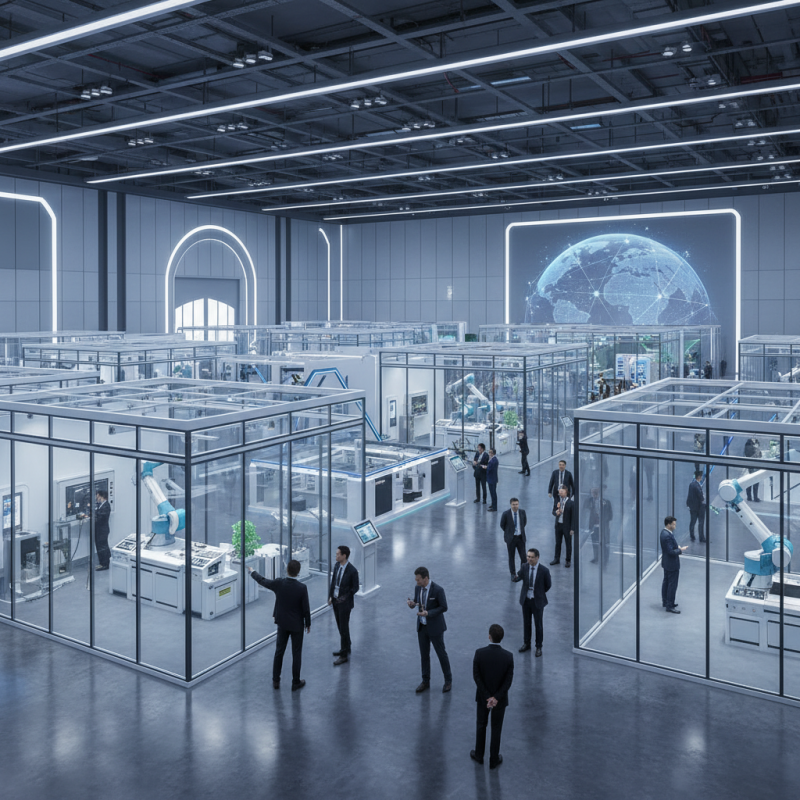
Choosing glass clean room equipment at Canton Fair 139 offers various advantages. These specialized tools help maintain a sterile environment. The transparency of glass allows for better visibility. This is essential for monitoring processes and ensuring cleanliness.
The design of glass equipment often promotes better airflow. With fewer obstructions, contaminants are less likely to accumulate. However, cleaning glass surfaces can be challenging. They require precise techniques to avoid streaks. Many users may struggle with this.
Another benefit is the aesthetic appeal. Glass creates a modern look that can impress clients. This enhances the professional image of businesses. Yet, the installation of glass equipment may require careful planning. Improper installation can lead to issues down the line. Balancing aesthetics with functionality is important.
| Feature | Description | Benefit |
|---|---|---|
| Transparency | Allows visibility into the cleanroom processes | Enhances monitoring and quality control |
| Durability | Resistant to various chemicals and environmental factors | Lowers long-term replacement costs |
| Customization | Flexible designs to fit specific cleanroom requirements | Improves efficiency and functionality |
| Ease of Cleaning | Smooth surfaces that are easy to disinfect | Maintains high cleanliness standards |
| Energy Efficiency | Good insulation properties minimizing energy loss | Reduces operational costs |
| Compliance | Meets industry standards for cleanroom environments | Ensures regulatory compliance |
In controlled environments, glass clean room systems stand out for several reasons. These systems provide a clear view of operations, enhancing safety and transparency. According to industry reports, approximately 75% of clean room operators prioritize visibility in their facility designs. This trend shows a shift towards more open and accountable manufacturing processes.
One notable feature of glass clean room equipment is its ability to minimize contamination. The smooth, non-porous surface of glass prevents the accumulation of dirt and particulates. Data indicates that switching to glass systems can reduce particle contamination by nearly 30%. However, the initial costs for installation can be high, leaving some operators hesitant. They often wonder if the trade-off is worth it.
Another aspect to consider is the maintenance of glass clean rooms. While glass is easier to clean, it can also be more fragile. Frequent handling may lead to scratches or cracks, which pose risks in sterile environments. Operators need to weigh these considerations when planning their investments. Each facility has unique requirements, and a one-size-fits-all solution doesn’t exist. Thus, clear communication around needs is essential for successful implementations.
Clean rooms are essential in various industries. The efficiency of these environments significantly impacts product quality. In recent studies, clean room conditions were found to improve product yield by over 25%. This is crucial for sectors like pharmaceuticals, electronics, and biotechnology.
The choice of materials in clean rooms plays a pivotal role as well. Glass equipment offers unique benefits, such as ease of cleaning and durability. Flexible designs can accommodate specific needs in sterile settings. However, there are challenges to consider. Glass can be heavy, making it less practical in some layouts. The initial cost of glass solutions can be higher, which might deter some companies.
Data from industry reports show a growing trend towards transparent solutions. Transparency in clean rooms can enhance visibility and monitoring. Yet, a balance is necessary; not all spaces require complete visibility. Thus, evaluating space requirements and operational needs remains important. This reflects the ongoing evolution in clean room design and usage.
In cleanroom environments, material choice greatly affects performance. Glass cleanroom equipment offers advantages over traditional materials. A recent report by the International Cleanroom Institute noted that glass can reduce contamination risk by up to 35%. This is essential in industries like pharmaceuticals, where even slight contamination can compromise product integrity.
Glass surfaces are non-porous and easy to sanitize. Unlike traditional materials, which can harbor microbes, glass allows for thorough cleaning. A 2022 study revealed that cleanrooms utilizing glass saw a significant drop in particle counts. However, glass is also heavier and more fragile compared to metal or plastic counterparts. This could lead to increased risks during installation and maintenance.
Cost is another consideration. While glass equipment often has a higher upfront cost, its durability can lead to savings over time. In certain sectors, replacing cheaper materials frequently can result in higher long-term expenses. But, in practice, budget constraints may deter some businesses from selecting glass solutions. The decision must align with operational needs and risk assessments. Even the most efficient materials can be a challenge to integrate smoothly into existing setups.
The clean room technology landscape is rapidly evolving, with significant advancements showcased at Canton Fair 139. Industry reports indicate a projected growth rate of 7.5% in clean room technology over the next five years. This surge is driven by increasing demands in pharmaceuticals, biotechnology, and electronics. Companies are investing in high-efficiency particulate air (HEPA) filters, advanced monitoring systems, and energy-efficient materials. Glass clean room equipment, in particular, boasts durability and ease of cleanliness, making it a preferred choice for many facilities.
Tips: Consider investing in smart monitoring technologies. These can enhance real-time data collection and improve compliance with industry regulations. Regular maintenance of clean room equipment is also crucial. Over time, even the best systems can falter without proper care.
However, as we embrace these advancements, it’s essential to reflect on the sustainability of such technologies. The production of clean room equipment can have environmental impacts. Reports indicate that around 30% of clean room operations still rely on outdated practices, which can lead to inefficiencies. Balancing innovation with sustainable practices is a challenge that the industry must address moving forward.
: Glass equipment maintains a sterile environment and enhances visibility for monitoring processes.
Clear views improve safety and accountability in manufacturing, benefiting operations significantly.
Cleaning glass requires precise techniques to avoid streaks, which many users find difficult.
The smooth, non-porous surface of glass prevents dirt accumulation, reducing particle contamination by about 30%.
Yes, frequent handling can cause scratches or cracks, posing risks in sterile environments.
Careful planning is required, as improper installation can lead to issues later on.
They can improve product yield by over 25%, crucial for industries like pharmaceuticals and electronics.
Not necessarily; glass can be heavy and costly, making it impractical for certain layouts.
Each facility has unique requirements, so a tailored approach is essential for effectiveness.
There is a growing trend towards transparency, but balance is crucial for operational needs.
The article "Why Choose Glass Clean Room Equipment at Canton Fair 139" emphasizes the numerous advantages of utilizing glass clean room equipment in controlled environments. Highlighted at the fair, these systems offer superior visibility, easier maintenance, and enhanced durability compared to traditional materials. The key features of glass clean room systems, such as their ability to minimize particle generation and facilitate effective monitoring of environmental conditions, contribute significantly to operational efficiency.
Additionally, industry statistics reveal that glass materials play a crucial role in improving clean room effectiveness, making them a preferred choice in various sectors. A comparative analysis underscores how glass outperforms conventional clean room materials, paving the way for future technological advancements. As trends evolve, the adoption of glass clean room equipment is expected to rise, promoting enhanced productivity and safety in sensitive environments.
