 Honghe Machinery
Honghe Machinery
Honghe Machinery
The glass processing industry is facing immense pressure to increase efficiency and production output. As markets expand, businesses must adapt. According to Dr. Michael Reynolds, a leading expert in glass manufacturing, “Boosting output capacity of glass processing facilities is critical for long-term sustainability.” This perspective highlights the necessity of innovation in production processes.
Challenges in optimizing output capacity require attention. Equipment upgrades and workforce training can seem daunting. However, even small enhancements can lead to significant gains. Companies often overlook the potential benefits of incremental improvements. A thorough analysis of current operations may unveil hidden efficiencies.
Investing in capacity boosts is not just about numbers. It influences market competitiveness and customer satisfaction. Increased production capabilities can offer a quicker response to market demands. Still, it is essential to regularly evaluate these enhancements for effectiveness. Businesses should not shy away from questioning their strategies or outcomes to drive continual improvement.
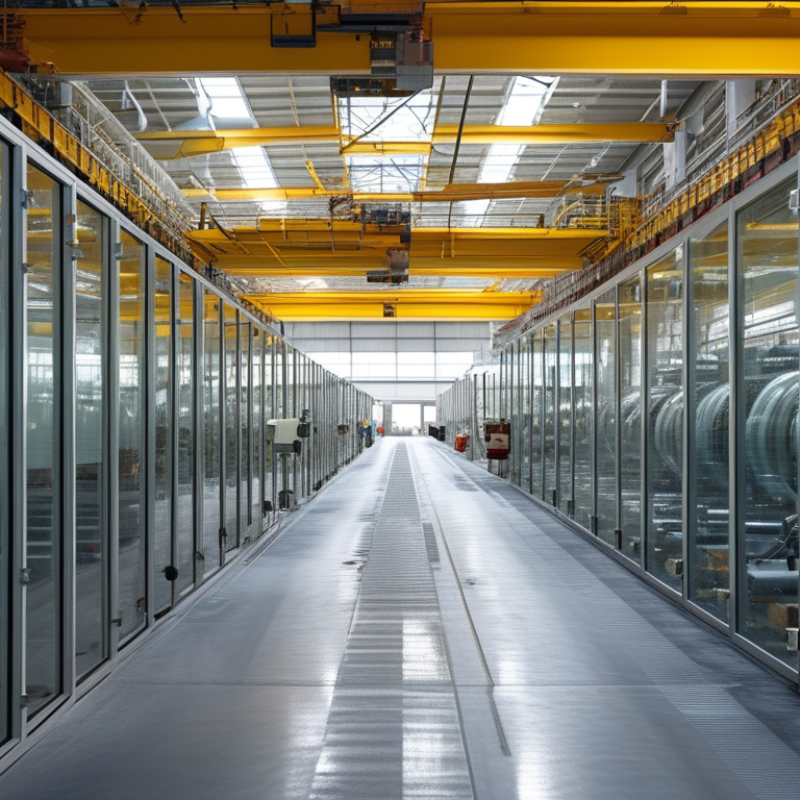
Glass processing facilities play a crucial role in modern manufacturing. They contribute to the production of various products, from electronics to architecture. The efficiency of these facilities affects the overall quality and speed of glass production. A well-functioning facility can significantly enhance productivity. Increasing output means meeting customer demands better and faster.
The need for optimized glass processing is evident in many industries. In construction, for example, high-quality glass is essential for aesthetics and energy efficiency. Manufacturing depends on precise measurements and tailored solutions. If a facility struggles with output, it can cause delays and increase costs. Poor performance may force businesses to rethink their strategies, and this reflection can drive innovation.
Investing in technology and skilled labor can boost facility output. However, this requires careful planning and consideration. Upgrades may lead to temporary disruptions. Striking the right balance is not easy but necessary. Each facility must assess its unique challenges. Focusing on continuous improvement is key to staying competitive.
| Key Metrics | Current Output | Target Output | Projected Impact |
|---|---|---|---|
| Production Volume (tons/month) | 150 | 200 | Increase of 33.3% |
| Operational Efficiency (%) | 75 | 90 | Improvement of 20% |
| Waste Reduction (%) | 10 | 5 | Reduction of 50% |
| Customer Satisfaction (%) | 85 | 95 | Increase of 11.8% |
: They enhance productivity and quality in producing various products, including electronics and architecture.
Higher output leads to quicker order fulfillment, resulting in greater customer satisfaction and repeat business.
Sacrificing product standards for quantity can lead to customer dissatisfaction and long-term damage to the brand.
Regular equipment maintenance and employee training are key to preventing downtime and improving efficiency.
Automation can reduce errors and boost speed, with some facilities seeing productivity increases of over 25%.
Skilled workers produce better quality products, contributing to overall efficiency and output.
Some facilities may need a gradual transition to automation to maintain efficiency without overwhelming staff.
Periodic assessments can identify problems, leading to tailored solutions for better operational flow.
It prevents unexpected breakdowns, minimizing downtime and keeping production on track.
Continuous improvement is needed; investments in technology and training can lead to remarkable outcomes, but challenges persist.
Boosting the output capacity of glass processing facilities is essential for businesses looking to remain competitive in the modern manufacturing landscape. Glass processing plays a crucial role in diverse industries, and understanding key techniques and technologies can lead to improved efficiency and product quality. By increasing output, companies not only enhance their profitability but also position themselves for growth in an ever-evolving market.
To optimize the efficiency of glass processing facilities, businesses can employ various strategies, including investing in advanced machinery and workforce training. Keeping an eye on future trends in glass processing, such as automation and sustainability, can further inform decisions that impact operational success. Ultimately, the drive to boost output capacity leads to significant benefits that extend beyond immediate financial gains, paving the way for long-term growth and innovation.
