Honghe Machinery Honghe Machinery

How to Boost Output Capacity of Glass Processing Facilities?

Time:2026-05-07 Author:Liam
0%

The glass processing industry is rapidly evolving. Increasing demand for glass products requires facilities to enhance their efficiency. To meet this challenge, companies must explore various strategies. One of these strategies is to boost output capacity of glass processing facilities.

Optimizing production processes is key. Implementing advanced technologies can streamline operations. However, many plants struggle with outdated machinery and inefficient workflows. These obstacles can hinder overall output. Identifying and addressing these issues is crucial for improvement.

Additionally, employee training plays a vital role. A knowledgeable workforce can operate machinery more effectively. Access to ongoing education fosters innovation. Yet, not all facilities invest sufficiently in staff development. This oversight can limit potential output capacity. It’s essential to reflect on these areas for meaningful growth in the glass processing sector.
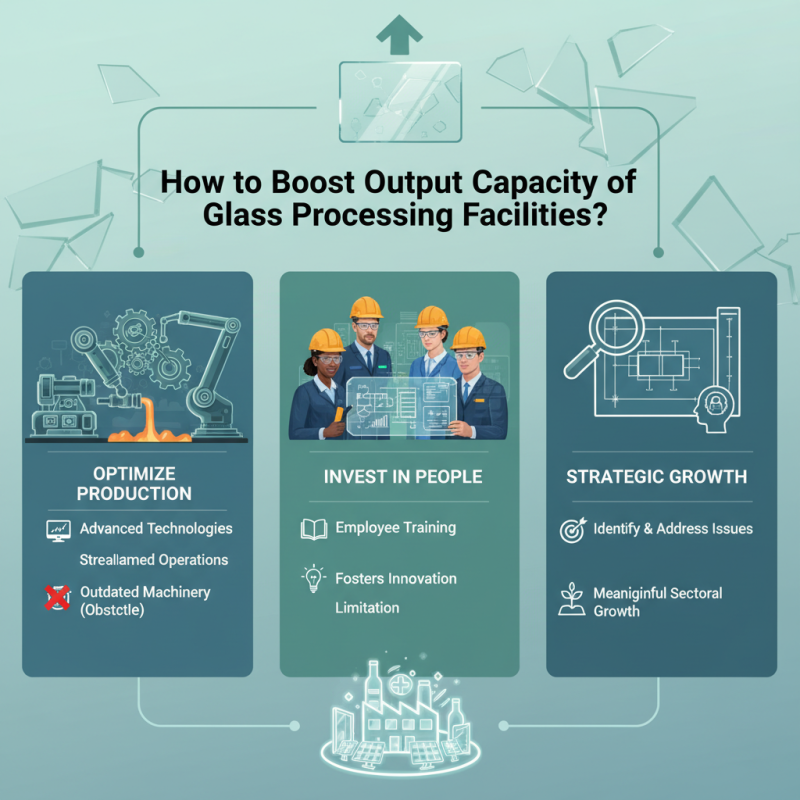
How to Boost Output Capacity of Glass Processing Facilities?

Assessing Current Production Capacity and Identifying Bottlenecks

Assessing current production capacity is critical in glass processing facilities. Industry reports indicate that many facilities operate at only 70-80% of their maximum potential. This underutilization often stems from equipment constraints and process inefficiencies. Regular audits can reveal key bottlenecks. Identifying machine downtime or slow production speeds is essential for improvement.

Analyzing workflow is another area to explore. Studies show that optimizing layout can increase output by 20-30%. Streamlined operations reduce the time products spend in transition. Additionally, employee training can significantly enhance productivity. Having well-trained staff minimizes errors and accelerates production cycles. However, many facilities lack a structured training program, which can hinder their capacity.

Data suggests that addressing these issues can lead to a notable increase in output. For example, implementing predictive maintenance can reduce equipment failures by 30%. Investing in automation and modern technology can further unlock production capabilities. Not every plant has made the necessary upgrades. This gap reflects an opportunity for growth and improvement in a competitive market.

Implementing Advanced Technology in Glass Processing Operations

The glass processing industry is evolving rapidly. Advanced technologies play a central role in boosting output capacity. High-performance machinery can streamline operations and enhance productivity. Automation tools reduce labor costs and errors, allowing teams to focus on more complex tasks. Embracing these technologies fosters a more agile production environment.

Tips for implementing these technologies effectively include prioritizing operator training. Skilled technicians can maximize machinery efficiency. Regular maintenance routines are also crucial. They help maintain equipment performance and extend its lifespan. Another tip is to analyze production data frequently. This practice identifies bottlenecks and optimizes workflows.

It’s essential to remain open to experimentation. Not every technology will enhance output as expected. Some strategies may require adjustment or reevaluation. Having a flexible mindset helps in adapting to unforeseen challenges. Continuous improvement is key in such a dynamic field. Embracing change ensures that your glass processing operations stay competitive.

Enhancing Workforce Skills and Training to Improve Efficiency

Enhancing workforce skills is crucial for glass processing facilities aiming to boost output capacity. A recent industry report indicates that investing in employee training can increase efficiency by up to 30%. However, many facilities still overlook the importance of ongoing skill development. Training programs should focus on both technical skills and soft skills. Technical skills ensure that workers can operate modern machinery effectively. Soft skills encourage better communication and teamwork, which are essential in any production environment.

Tips for effective training: Focus on hands-on experience. Engage employees with real-world scenarios that mimic everyday tasks. Short workshops can be more effective than long courses. Additionally, consider pairing experienced workers with newer employees for mentoring. This fosters a culture of learning and reduces the learning curve. Regularly assess the training needs based on production goals.

Not all training programs yield immediate results. Some facilities report a temporary drop in output as employees learn new systems. Clear communication about these goals can mitigate frustrations. Management must remain patient and supportive, recognizing that building a skilled workforce takes time. Continuous evaluation helps identify what works and what needs adjustment. Balancing efficiency and skill enhancement is a challenging yet rewarding endeavor.

Impact of Workforce Training on Glass Processing Efficiency

Streamlining Supply Chain and Inventory Management Practices

In glass processing, effective supply chain and inventory management are crucial to enhancing output capacity. A recent industry report indicates that optimizing inventory levels can reduce holding costs by up to 35%. This improvement supports quicker response times to market fluctuations. Lean principles can streamline operations, cutting down excess inventory and minimizing waste, which is essential for maintaining competitive pricing.

However, implementing just-in-time inventory practices can be challenging. Many facilities struggle with demand variability. Misalignment between supply and demand can lead to stockouts or overstock situations, undermining efficiency. Industry studies show that 70% of glass manufacturers report issues with forecasting demand accurately. Adopting advanced analytics can aid in better prediction, allowing businesses to respond more swiftly to changes.

Collaborative relationships with suppliers enhance material flow and reliability. Reports suggest that those integrating supplier involvement see performance improvements of at least 25%. Yet, fostering collaboration often requires overcoming trust barriers. Companies need to invest time in building these relationships, which may not yield immediate results but are vital for long-term efficiency and productivity. Balancing these elements is key to achieving better output capacity without sacrificing quality.

Adopting Sustainable Practices for Long-Term Capacity Growth

Sustainable practices are vital for glass processing facilities aiming to increase their output capacity. Implementing energy-efficient technologies can significantly reduce operational costs. These innovations often result in higher yields and lower waste. Facilities can explore options like renewable energy sources, which not only cut expenses but also lower their carbon footprint.

Investing in employee training is another critical aspect. Knowledgeable workers make fewer mistakes and operate equipment more effectively. Unfortunately, some facilities overlook this. Instead of rushing production, a focus on skill development is essential. Regular assessments can identify areas for improvement.

Recycling glass is an excellent example of sustainable practice. It saves raw materials and energy, boosting overall efficiency. However, it requires a commitment to process optimization and quality control. Facilities must be prepared to analyze their recycling methods continuously. Reflection on current practices can lead to innovative approaches, enhancing both sustainability and output.

FAQS

: Why is assessing current production capacity important?

: Assessing production capacity helps identify equipment constraints and inefficiencies in glass processing facilities.

What percentage of their maximum potential do many facilities operate at?

Many facilities operate at only 70-80% of their maximum potential due to various constraints.

How can workflow analysis improve productivity?

Optimizing workflow layouts can increase output by 20-30% by reducing transition times.

What role does employee training play in production efficiency?

Employee training can improve efficiency by up to 30%, minimizing errors and accelerating production.

Are training programs always effective immediately?

Some facilities experience a temporary drop in output during training periods, highlighting the adjustment process.

What are the benefits of adopting sustainable practices?

Sustainable practices like energy-efficient technologies reduce costs, waste, and improve overall efficiency.

How can facilities enhance their recycling methods?

Facilities should commit to analyzing and optimizing their recycling processes to save materials and energy.

What is a practical training method for employees?

Pairing experienced workers with newcomers fosters mentoring and accelerates the learning process.

Why might some facilities overlook workforce training?

A lack of structured programs or prioritization in workflow often leads to neglecting employee skill development.

How should management approach the challenges of skill enhancement?

Management must be patient and supportive, recognizing that developing a skilled workforce takes time and ongoing evaluation.

Conclusion

To boost output capacity of glass processing facilities, it is essential to first assess the current production capacity and identify any bottlenecks that may hinder efficiency. By understanding these constraints, facilities can develop targeted strategies to mitigate them. Implementing advanced technologies, such as automated processes and real-time monitoring systems, can drastically enhance operational workflows, leading to increased productivity.

Moreover, enhancing workforce skills through training programs plays a critical role in maximizing efficiency. Well-trained employees can leverage new technologies effectively and contribute to smoother operations. Additionally, streamlining supply chain and inventory management practices ensures that materials are consistently available, reducing idle time. Lastly, adopting sustainable practices supports long-term capacity growth while promoting environmental responsibility in glass processing operations. Together, these approaches create a comprehensive framework for boosting output capacity in glass processing facilities.

Liam

Liam

Liam is a dedicated marketing professional with a profound expertise in the industry, where he excels at highlighting the unique advantages of our core products. With a keen understanding of market trends and consumer needs, Liam frequently updates our company’s professional blog, providing......