Honghe Machinery Honghe Machinery

2026 Best Architectural Glass Processors for Quality

Time:2026-09-29 Author:Aria
0%

Choosing the right processor is crucial when visual quality, safety, and installation performance must align. The 2026 Best Architectural Glass Processors for Quality should be judged beyond polished samples. Strong candidates demonstrate repeatable tempering, precise cutting, clean edges, dependable lamination, and accurate coating control. Their production records should also show how they manage variation.

Dr. Helen Sanders, an architectural glass consultant and building-envelope specialist, offers a practical principle: “Glass quality begins with controlled process discipline, not the final inspection.” That idea shapes this guide. It supports manufacturers that document furnace temperatures, interlayer conditions, edgework tolerances, and handling procedures. Clear traceability matters. So does communication when drawings change.

To Meet High Standards for Architectural Glass Processing, processors must connect factory precision with real site conditions. Large panels may face suction cups, tight framing, sunlight, wind pressure, and uneven support. A technically attractive unit can still fail when storage or installation is careless. Small flaws matter.

This review considers equipment, workforce experience, quality systems, testing practices, delivery reliability, and technical support. It also examines how processors respond when results are imperfect. No processor is flawless. That assumption deserves scrutiny. The best partners identify problems early, explain their causes, and correct them without hiding uncomfortable details. Their value appears in quiet evidence: consistent edge polish, uniform heat treatment, accurate dimensions, and fewer surprises during installation.
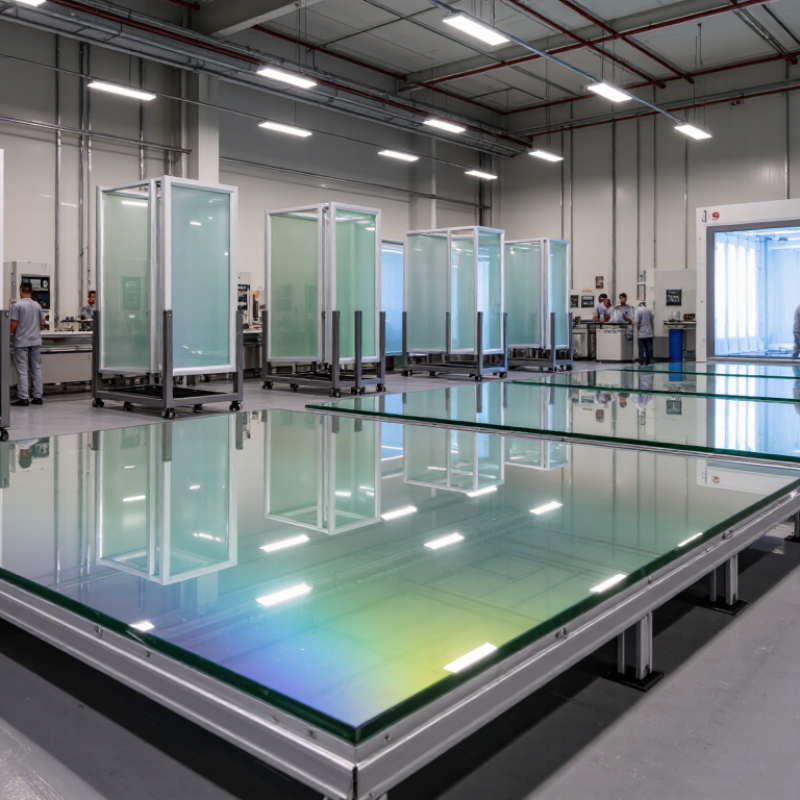
2026 Best Architectural Glass Processors for Quality

What Architectural Glass Processors Do and Why They Matter

Architectural glass processors turn large sheets into project-ready components. Depending on the specification, they cut panels to size, finish edges, drill holes, apply heat treatment, laminate layers, or assemble insulating units. Each step must match the drawings and stated tolerances. Good processing helps panels fit frames and supports intended safety, daylight, thermal, and acoustic performance. Small errors matter. Experienced teams inspect dimensions, edge quality, visible defects, and coating orientation before shipment. Yet a perfect-looking sample cannot prove every production unit is consistent.

Tips: Provide current drawings and glass make-up. Confirm tolerances, coating orientation, labeling, and delivery sequence. Ask how inspections are recorded, not just whether they happen.

A capable processor also coordinates with architects, fabricators, and installers when drawings leave room for interpretation. Clear questions about glass thickness, support conditions, or exposed edges can prevent costly rework. Ask for documented quality checks and batch traceability. Delivery matters, too: protective separators, dry storage, and careful unloading help preserve finished edges and coatings. Specifications still need review; teams sometimes assume a standard detail suits every opening. It may not. Better coordination cannot remove every risk, but it makes decisions visible before glass reaches the site.

2026 Best Architectural Glass Processors for Quality

What Architectural Glass Processors Do and Why They Matter

Architectural glass processors transform flat glass into project-ready components through cutting, edge finishing, drilling, tempering, laminating, and insulating. Selecting the correct nominal thickness is an important quality decision because it affects structural performance, safety, handling, and compatibility with processed glass systems.

The chart shows common nominal thicknesses used in architectural flat-glass fabrication. Actual availability and suitability depend on applicable standards, structural calculations, safety requirements, and project specifications.

How Quality Is Measured in Architectural Glass Processing

Quality in architectural glass processing is not a single pass-or-fail check. It depends on measurements, visual inspection, and repeatable production controls. Inspectors check thickness, length, width, and squareness against project specifications. Edges should be smooth and consistent, without visible chips or rough areas. Small chips matter. A bright, angled work light can reveal flaws that overhead lighting misses. Hole positions and cutouts also need careful measurement, since small errors may complicate installation. These checks are useful only when measuring tools are maintained and calibrated. That sounds basic. It is often where preventable variation begins.

Heat-treated panels require checks for surface damage and optical distortion, including waviness visible across reflected lines. Coated glass needs consistent appearance, with scratches, marks, and color shifts reviewed under suitable lighting. Inspecting a sample is not enough; production checks should cover panels from different points in a run. Records linking measurements and inspection findings to each batch help teams trace recurring issues. A report can look precise while missing a problem outside its sampling plan. This is where judgment matters. Experienced inspectors compare measured results with the approved specifications and flag unusual patterns, even when individual readings pass. No process catches everything, but clear criteria and honest records make quality more dependable.

Key Technologies and Capabilities of Leading Processors

Quality in architectural glass begins with control across the entire production line.

Leading processors coordinate digital cutting, edge grinding, washing, heat treatment, and inspection. Nesting software can reduce offcuts, but operators still need to check dimensions against shop drawings. A clean, chip-free edge supports safer handling and reliable sealing.

Small defects travel.

Tempering technology depends on stable furnace temperatures and consistent glass movement.

Sensors can flag uneven heating, while trained technicians assess distortion and surface marks. For laminated glass, processors control interlayer alignment, cleanliness, and bonding conditions. Insulating glass lines also need accurate spacer placement and dependable seal application. Automated inspection helps detect flaws, though it cannot judge every unusual reflection or design requirement.

Strong capabilities include documented quality checks, equipment calibration, batch traceability, and clear communication about tolerances.

These details help project teams investigate issues instead of relying on vague assurances. No process is flawless. Automation improves repeatability, but complex shapes and coatings still demand careful review. Processors should explain their limits, provide relevant test records, and confirm that sample panels match the project specification before production begins.

How to Compare the Best Architectural Glass Processors in 2026

2026 Best Architectural Glass Processors for Quality
How to Compare the Best Architectural Glass Processors in 2026

Comparing architectural glass processors in 2026 starts with the glass, not a sales claim. Define thicknesses, coatings, dimensions, edge profiles, and performance targets. Ask how each processor handles low-E surfaces, hole placement, and heat-treated panes. A sample cut sheet can show whether quoted tolerances match your drawings. Small details matter. Check how staff identify coated faces before cutting and loading; one reversed pane can waste a full unit.

Review quality controls with evidence. Request inspection records, calibration schedules, and examples of corrective actions. Ask how the processor checks tempering uniformity and laminated-glass clarity, especially near edges and drilled openings. Look for traceable labels linking each lite to its production batch. A polished showroom tells little. A clear response to a documented defect tells more.

Compare capacity against your actual schedule, not maximum output alone. Confirm typical lead times, remake procedures, packaging, delivery protection, and how urgent changes are handled. If possible, inspect a finished sample in daylight and oblique lighting; scratches, roller wave, or edge chips may appear only then. Check references for projects with similar sizes and specifications. No processor leads every category. The comparison is imperfect, so note vague promises and weigh their risk against price and service.

2026 Best Architectural Glass Processors for Quality - How to Compare the Best Architectural Glass Processors in 2026

Processor Profile Typical Core Capability Other Processes That May Be Available Best Suited For Quality Checks to Compare Questions to Ask Before Ordering
Full-Service Architectural Glass Fabricator Coordinates several fabrication stages, potentially including cutting, edging, heat treatment, laminating, and insulating-glass-unit assembly. Drilling, notching, CNC shaping, coating handling, and project-specific fabrication, depending on the facility. Projects that need multiple glass make-ups or coordinated fabrication from one supplier. Confirm dimensional tolerances, traceability, inspection records, packaging standards, and how defects or rework are handled. Which processes are performed in-house, and which are subcontracted? Can production records be linked to each order or batch?
Heat-Treated Glass Specialist Thermal tempering or heat strengthening. These are distinct processes and should not be treated as interchangeable. Edge finishing and hole or cut-out preparation are commonly coordinated before heat treatment; laminating or IGU assembly may also be offered. Applications requiring heat-treated panes, subject to the project specification and applicable safety-glazing requirements. Check compliance documentation, flatness and visual-quality criteria, edge preparation, breakage handling, and whether heat-soak testing is available when specified. Can the processor meet the specified glass type, thickness, dimensions, and applicable standard? What inspection or test records are supplied?
Laminated Glass Specialist Bonding glass plies with an interlayer under controlled heat and pressure; the interlayer type must match the design and performance requirements. Heat-treated plies, shaped or drilled components, and insulating-glass assembly may be available or coordinated separately. Applications where a laminated construction is specified for safety, security, acoustic, or other project requirements. Review interlayer identification, edge appearance, inclusion and bubble limits, lamination records, and compatibility with any coatings or secondary assembly. Which interlayer options are supported? How are exposed edges, storage, and handling managed for the specified make-up?
Insulating Glass Unit (IGU) Fabricator Assembly of multiple glass panes separated by a spacer and sealed around the perimeter to form an insulating glass unit. Gas filling, warm-edge spacer systems, coated-glass handling, and assembly with heat-treated or laminated panes may be offered. Building-envelope projects specifying sealed multi-pane units for thermal or acoustic design purposes. Compare unit dimensions, spacer and sealant systems, gas-fill verification where specified, workmanship inspection, and warranty conditions. What spacer and sealant systems are available? How are gas fill, unit identification, and long-term performance requirements documented?
CNC and Specialty-Processing Fabricator Precision cutting, edge work, drilling, notching, or shaped-glass operations using suitable manual or automated equipment. Heat treatment, laminating, coating, bending, or IGU assembly may be handled in-house or through partner facilities. Projects with non-standard shapes, precise openings, detailed edge work, or components that require coordinated fabrication. Check drawing review procedures, measurement tolerances, tool capability for the specified glass, sample approval, and protection of finished edges. Can the facility produce the geometry and tolerances shown in the approved drawings? Which downstream processes could affect dimensions or appearance?

Comparison note: These are general processor profiles, not company rankings. Capabilities vary by facility, equipment, market, and project specification. Verify current certifications, applicable local standards, production capacity, tolerances, and written quality records directly with each candidate.

Choosing a Processor for Project Requirements and Quality Standards

2026 Best Architectural Glass Processors for Quality

Choosing a Processor for Project Requirements and Quality Standards

Selecting an architectural glass processor should begin with the project, not a sales list. Define the building’s location, glazing size, exposure, safety needs, and appearance goals. A qualified processor should explain how cutting, edging, drilling, tempering, laminating, and coating match those requirements. Details matter.

Ask for evidence. Request sample inspection reports, traceability records, calibration schedules, and documented quality procedures. Experienced teams can explain how they control edge chips, roller marks, distortion, scratches, and dimensional tolerance. They should also identify applicable regional standards, such as safety glazing and structural performance requirements, without making unsupported claims. Clear documentation is more reliable than confident promises.

Communication often reveals practical expertise. Share drawings early, including holes, notches, frit patterns, and frame tolerances. Confirm whether the processor can handle oversized panels, curved shapes, insulated units, or complex sequencing. Small errors spread. One misplaced hole can delay installation and waste an entire panel. Site feedback should influence the inspection plan, because factory accuracy alone cannot solve poor coordination.

Quality is not only a polished surface. It includes correct labeling, protected packaging, clean delivery, and responsive handling of nonconformities. I would also examine weaknesses honestly: even a capable processor may struggle with unusual dimensions or compressed schedules. A realistic partner will state those limits, propose workable alternatives, and record approval decisions before production begins.

FAQS

How is architectural glass quality measured?

Inspectors compare thickness, length, width, and squareness with project specifications. They also check edges, holes, and cutouts. Small errors can affect installation.

How can inspectors spot edge damage?

They examine edges under a bright, angled work light. It can reveal chips that ceiling lights miss. Small chips matter.

What should be checked on heat-treated glass?

Check for surface damage and optical distortion. Reflected straight lines can reveal waviness across the panel.

How are coated glass panels inspected?

Inspectors review scratches, marks, and color shifts under suitable lighting. A sample alone may not represent an entire production run.

What quality records should a processor provide?

Ask for inspection records, tool calibration schedules, and corrective-action examples. Batch labels help link each glass panel to its production history.

How can buyers assess cutting accuracy?

Compare a sample cut sheet with the project drawings. Confirm hole positions, dimensions, edge profiles, and stated tolerances.

What should buyers check before choosing a processor?

Compare typical lead times, remake procedures, packaging, delivery protection, and urgent-change handling. Maximum capacity may not reflect your actual schedule.

Why inspect finished glass in different lighting?

Daylight and oblique light can reveal scratches, roller wave, or chipped edges. A showroom view can miss details.

Can inspection guarantee flawless glass?

No process catches everything. Clear criteria and honest records improve consistency, but sampling can miss problems. That limitation deserves attention.

Conclusion

Architectural glass processors transform raw glass into precision components for façades, windows, doors, partitions, and other building applications. Their work can include cutting, edging, drilling, tempering, laminating, coating, and insulating glass units. Quality depends on more than appearance: dimensional accuracy, edge finish, strength, optical clarity, consistency, and reliable inspection all affect how well finished glass performs and fits its intended design.

When comparing the best architectural glass processors in 2026, consider their equipment, production capabilities, quality-control procedures, material options, lead times, and ability to handle custom specifications. The right partner should communicate clearly and demonstrate that its processes can Meet High Standards for Architectural Glass Processing. Before choosing, match each processor’s capabilities to the project’s performance goals, design details, applicable quality standards, and delivery requirements.

Aria

Aria

Aria is a dedicated marketing professional with a deep passion for innovative strategies and a keen understanding of our company's product offerings. With a wealth of experience in the industry, Aria excels at crafting engaging content that highlights the unique features and benefits of our......