Honghe Machinery
Honghe Machinery
Honghe Machinery
Engineered to execute zero-microcrack drilling, optimized for localized SADC power grids, and built to withstand harsh desert environment conditions.
Analyzing market trends, regional logistical dynamics, technological transition, and procurement strategy.
Namibia is undergoing a rapid architectural and industrial transformation. Anchored by the Harambee Prosperity Plan II and NDP5, infrastructure investments in urban centers such as Windhoek, Swakopmund, and Walvis Bay have escalated the demand for high-performance building materials. Among these, processed structural glass, energy-efficient double glazing, and specialized solar glass panels have emerged as critical components. To meet quality standards, regional glass fabricators are transitioning away from high-labor, low-precision manual drilling methods toward automated high-precision CNC glass drilling systems.
Furthermore, Namibia’s mineral-rich profile—specifically in diamonds and uranium—drives demand for heavy machinery cabin glass, which must be drilled and tempered to extreme safety standards. Local manufacturing of solar glass is also poised to surge, as Namibia utilizes its high solar irradiance to pioneer utility-scale green hydrogen and solar energy plants. Developing local processing capabilities allows Namibian glass operations to capture market value within the Southern African Development Community (SADC) free trade zone.
Fabrication shops in Namibia face unique environmental hurdles that demand specialized machinery setups:
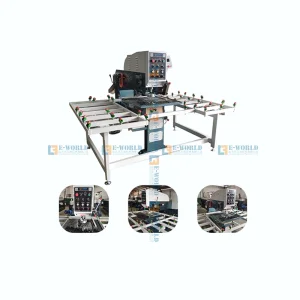
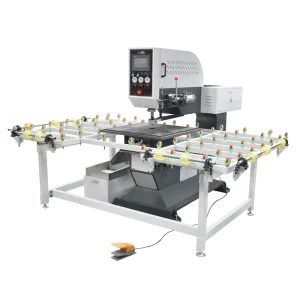
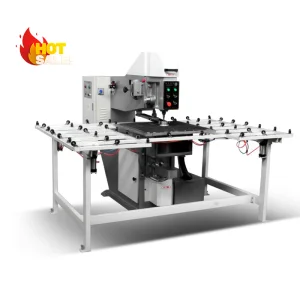
Drills from top and bottom simultaneously, preventing structural breakout and microcracking.
Equipped with multilingual, touchscreen interfaces (Delta/Siemens) that simplify pattern entry.
Maintains processing accuracy to within ±0.1mm, minimizing material wastage.
Globally, the flat glass manufacturing industry is pivoting rapidly toward IoT integration and smart factories. China's glass machinery manufacturing industry has optimized supply chains and manufacturing processes, establishing itself as a global benchmark for price-to-performance ratio. Modern Chinese glass processing equipment matches European performance standards in precision, cycle times, and automated tooling, but at a more accessible capital investment cost.
For Namibian fabricators, this cost efficiency translates to faster returns on investment. Lower capital expenditure allows local manufacturers to allocate budget toward regional distribution, customized training, and product development, giving them a competitive edge over fabricators importing finished glass from South Africa or Europe.
High-throughput machinery configurations customized to target key regional industrial applications.

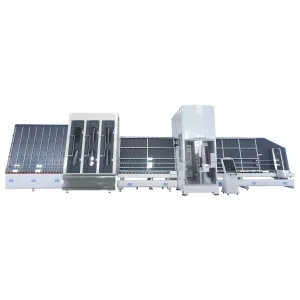
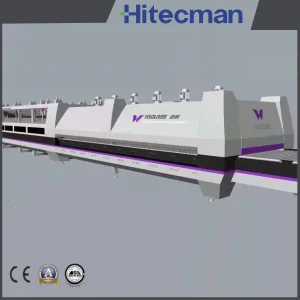
High-end glass cleaning, drying, and drilling machines significantly improve the efficiency and quality of architectural glass processing through automation and intelligent technology.
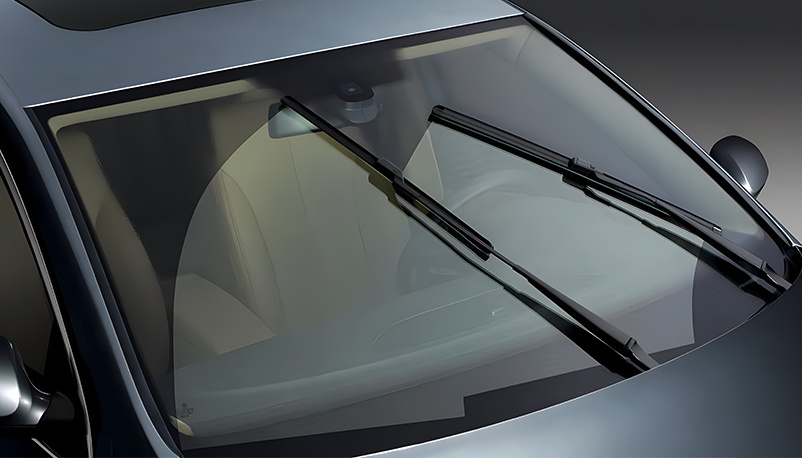
Honghe's intelligent manufacturing solutions have been implemented in glass edge grinding, glass cleaning, digital printing glass cleaning, and architectural glass processing, receiving customer praise for their superior product qualification rate and per capita efficiency.

Honghe's intelligent manufacturing solutions have been implemented in glass edge grinding, glass cleaning, digital printing glass cleaning, and architectural glass processing, receiving customer praise for their superior product qualification rate and per capita efficiency.
Honghe's intelligent manufacturing solutions have been implemented in glass edge grinding, glass cleaning, digital printing glass cleaning, and architectural glass processing, receiving customer praise for their superior product qualification rate and per capita efficiency.
Honghe's intelligent manufacturing solutions have been implemented in the fields of glass edge grinding, glass cleaning, digital printing glass cleaning, and architectural glass processing, receiving customer praise for their superior product qualification rate and per capita efficiency. Honghe's intelligent manufacturing solutions have been implemented in the fields of glass edge grinding, glass cleaning, digital printing glass cleaning, and architectural glass processing, receiving customer praise for their superior product qualification rate and per capita efficiency.
Established in 2008, Nanjing Honghe Glass Machinery Co., Ltd. integrates the research and development, design, production, sales, and technical service of professional glass deep processing machinery. The company is situated in Qishi Town, Nanjing City, Jiangsu Province—an economically developed industrial hub in China.
Since its inception, Honghe has received recognition from regional industry organizations and national government authorities. Backed by years of manufacturing expertise and continuous innovation, Honghe holds national invention patents and independent intellectual property rights. The company's ongoing research and development efforts continue to deliver productive solutions for glass fabricators worldwide.
Select from our production-tested, PLC-controlled mechanical and laser machinery range.
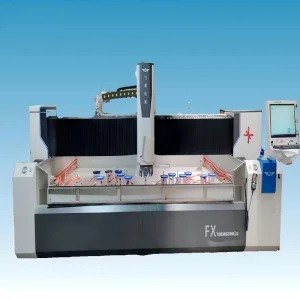
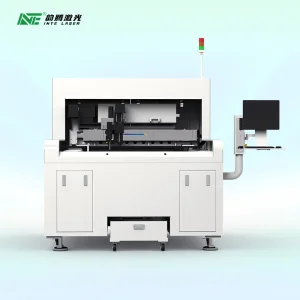
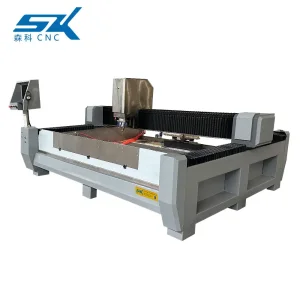
Multi-functional industrial platforms optimized for custom architectural shapes, heavy masonry materials, and high-volume operations.
Crucial details regarding logistics, customization, configuration, installation, and field service.
Generally, the manufacturing phase takes between 30 to 45 days, depending on custom configurations (e.g., specific voltage profiles or custom bed sizes). Marine transit from Shanghai or Shenzhen port to the Port of Walvis Bay requires approximately 30 to 40 days. We coordinate all container loading, packing protection, and bill of lading documentation to support clearing workflows.
Our machines are engineered to work with local 380V-400V/50Hz grid requirements. During the engineering design stage, we configure the internal transformers and servo motor configurations to match these parameters. We recommend installing an industrial voltage stabilizer alongside your CNC machine to protect the PLC systems from fluctuations on local grids.
We integrate internet modules into our CNC/PLC controllers. This allows our technical engineering team in China to conduct remote diagnostics, adjust servo-parameters, check system status, and resolve programming bugs. For physical component replacements, we send parts using international express shipping (DHL/FedEx) to minimize downtime.
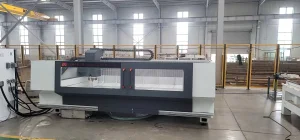
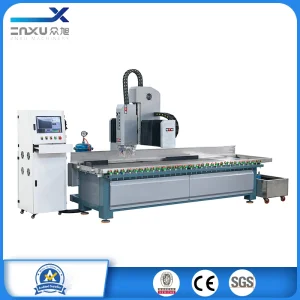
Yes. Several of our hybrid systems, such as the Glass&Stone Drilling, Milling and Grinding Machine, process marble, granite, ceramics, and structural composite panels. This versatility is ideal for Namibian operators serving both the architectural glazing and countertop fabrication markets.
Our standard mechanical and vertical CNC machines (e.g., the 5 Axis Vertical CNC Glass Drilling and Milling Machine) maintain positioning precision of ±0.1mm. Our laser processing systems operate within even tighter tolerances, making them suitable for high-precision architectural panels and device screens.
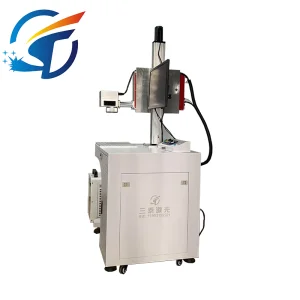
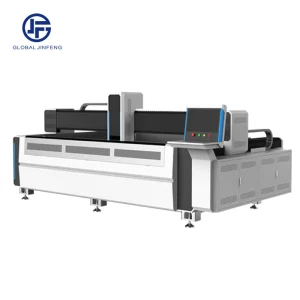
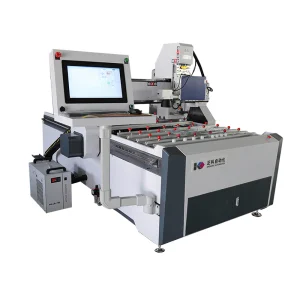
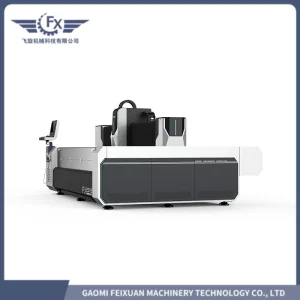
Yes, we provide free processing tests on representative glass samples. Clients can submit their design drawings and material specifications, and we will perform test runs on models like the Glass Laser Drilling Machine (Double Head). We then send detailed test reports and video recordings before shipment.
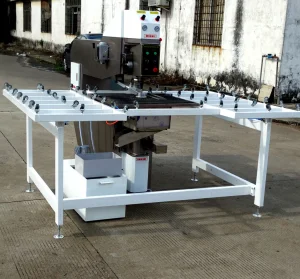
The double-head configuration engages the glass from both sides. The lower drill bit initiates the cut to roughly half the thickness of the glass, then retracts. The upper drill bit then completes the hole from the opposite side. This process balances the physical pressure on the glass pane, preventing breakouts, chipping, and microcracks.
In dusty environments, it is important to wipe down and lubricate the linear guide rails and ball screws daily. Ensure the electrical cabinet doors remain sealed, and verify that the water cooling filters are cleaned regularly. This prevents glass dust from accumulating on critical system sensors and moving parts.
Get in touch with our engineering team to review system specs, receive layout suggestions, and request a customized CIF quote for the Port of Walvis Bay.
Send Inquiry Now