Honghe Machinery
Honghe Machinery
Honghe Machinery
Engineered for high-volume automotive glass processing and heavy structural glazing lines in Michigan.
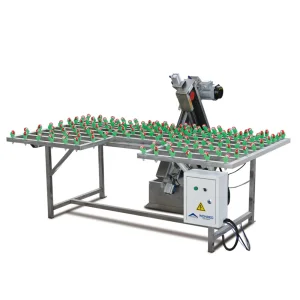
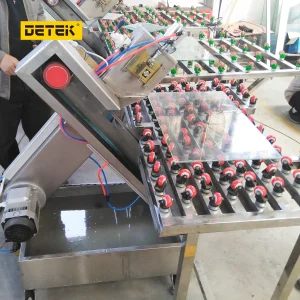
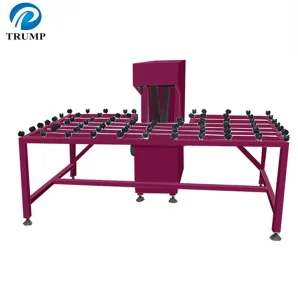
Detroit, Michigan, holds a historic position in global industrial manufacturing. Beyond its automotive identity, the metropolitan area is a critical node for advanced material processing, glass manufacturing, and structural glass engineering. Today's automotive industry, transitioning to electric vehicles (EVs) and autonomous systems, demands high-specification glazing solutions. This includes thin-glass lamination, acoustic-damping side lites, and integrated head-up display (HUD) windshields. Each of these components requires impeccable glass edge treatments to assure mechanical reliability under thermal and structural stresses.
In parallel, Detroit's urban regeneration has stimulated architectural glass production. Modern energy efficiency standards mandate double- and triple-glazed insulating glass (IG) units with Low-E coatings. The production of these high-performance units begins with edge deletion and precise seaming. Removing micro-fractures along cut glass edges prevents thermal breakage in tempering ovens and long-term mechanical failure under wind loads. Traditional, dry edge-seaming methods are no longer sufficient; they produce excessive dust, cause micro-chips, and lead to high reject rates in tempering lines.
Did you know? Micro-cracks (Griffith flaws) originate at the outer edge of a glass sheet during the cutting process. In automotive and structural applications, these microscopic defects concentrate stresses, lowering the glass load capacity. Implementing Nanjing Honghe's wet-belt edge grinding systems resolves this vulnerability, improving edge strength by over 40% prior to tempering operations.
To serve Detroit's Tier-1 suppliers, architectural glaziers, and industrial glass fabricators, Nanjing Honghe Glass Machinery Co., Ltd. provides robust, high-precision wet-belt grinding equipment. Engineered to withstand continuous multi-shift operations, our machinery integrates heavy-duty structures with precise mechanical configurations, meeting the performance and safety demands of modern North American manufacturing facilities.
Understanding the physics of glass grinding is key to optimizing production line yields. The edge grinding process involves the mechanical removal of material via abrasive grains on a tensioned, moving belt. The dynamics of wet abrasive belt grinding depend on several critical variables: surface speed, grit selection, water delivery pressure, and motor torque stabilization.
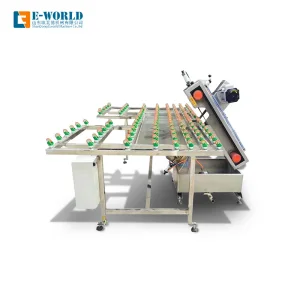
For high-throughput operations, double-motor twin cross-belt designs are essential. Positioning two independent abrasive belts in an X-configuration allows the top and bottom edges of the glass to be seamed simultaneously in a single pass. Each belt is driven by a dedicated, balanced motor. This layout prevents uneven tool wear and ensures symmetrical chamfer profiles. By using independent motors, operators can adjust speeds for different glass thicknesses, reducing mechanical stress on the sheet.
Dry grinding generates fine glass dust, creating respiratory hazards (silicosis) and contaminating clean-room environments prior to laminating or tempering. Nanjing Honghe's wet-belt machinery features closed-loop water spray rings. Pressurized water jet manifolds continuously spray water directly onto the grinding zone. This serves two key purposes:
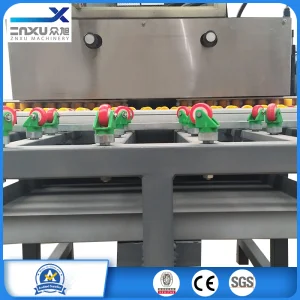
Vibration is the primary cause of premature edge chipping and uneven belt wear. Our belt edging machines use heavy, welded steel frames that undergo stress-relieving heat treatment. The machine bases absorb high-frequency harmonics generated by high-RPM spindle motors. This structural design ensures smooth belt travel and consistent contact pressure, even when processing thick structural glass panels or heavy laminated sheets.
Tailored engineering solutions for high-performance glass production across multiple key sectors.
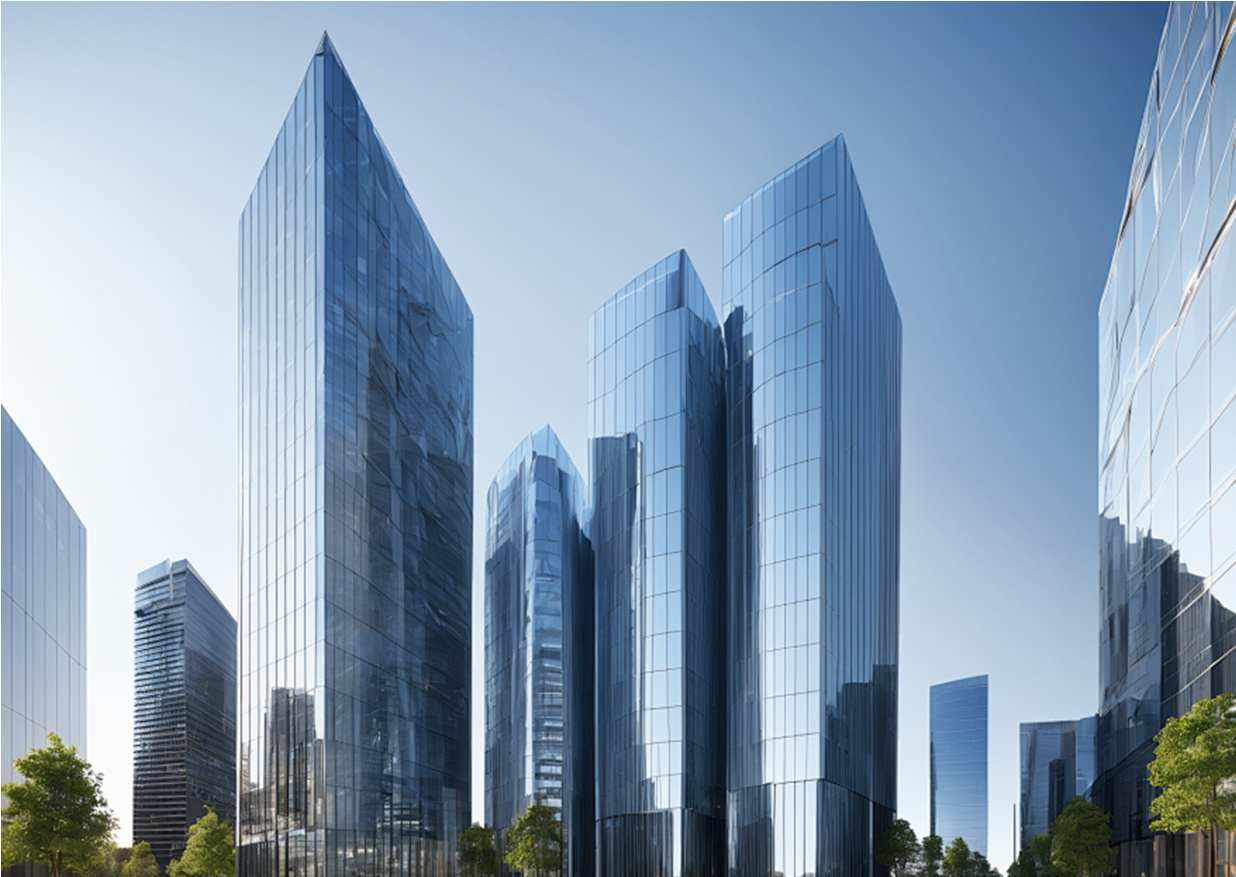
High-end glass cleaning, drying, and belt-edging machines significantly improve the efficiency and quality of architectural glass processing through automation and intelligent technology, ensuring structural integrity for Detroit building facades.
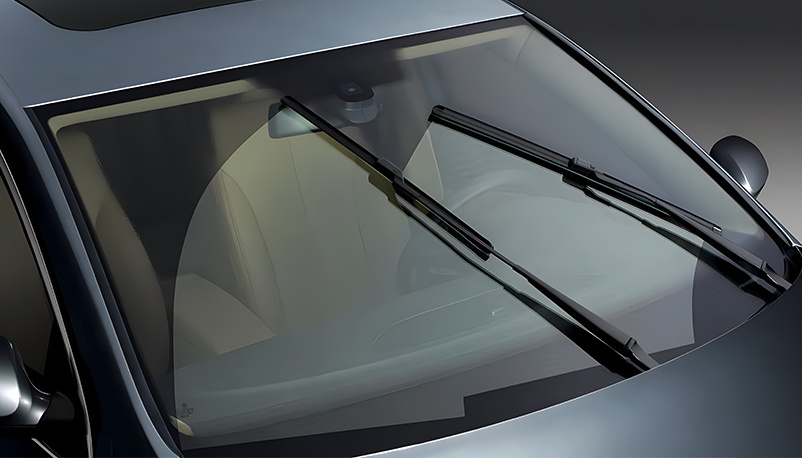
Honghe's intelligent manufacturing solutions have been implemented in automotive glass edge grinding, glass cleaning, digital printing, and processing, receiving customer praise for superior product qualification rates and per capita efficiency in Detroit's automotive supply chain.

Honghe's industrial setups support the solar sector by delivering high-throughput edge grinding solutions that eliminate micro-cracking risks on solar panels, ensuring structural endurance under extreme outdoor weather conditions.
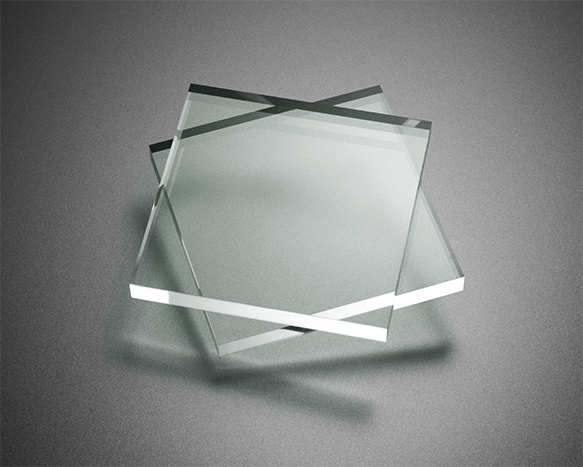
Optimized low-E and coated glass surface protection during edge deletion and grinding. Our non-marking transfer belts and specialized nozzle placements ensure active protection of high-performance coatings.
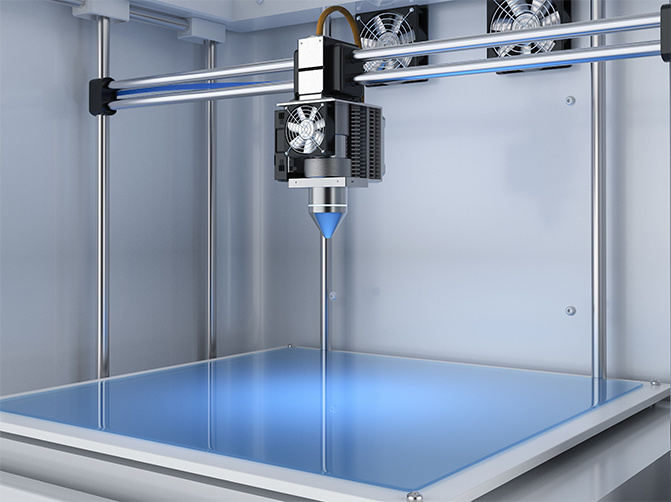
Honghe's intelligent manufacturing solutions have been widely implemented in edge grinding, glass cleaning, digital printing glass cleaning, and architectural glass processing. Delivering defect-free glass edge profiles ensures uniform ink adhesion and eliminates mechanical stress points that could cause breakage during high-temperature printing cures.
In a global market characterized by volatile shipping timelines and supply chain bottlenecks, Nanjing Honghe Glass Machinery Co., Ltd. leverage China's advanced Industry 4.0 manufacturing ecosystem to offer unmatched reliability. Our production facilities integrate CNC machining centers, automated welding bays, and strict quality assurance protocols to guarantee equipment precision and availability.
Our supply chain model offers distinct advantages for glass processing firms in Detroit and the wider Midwest:
Operating a manufacturing facility in Detroit, Michigan, requires strict adherence to regional safety and electrical standards. Nanjing Honghe is committed to supplying machinery that integrates smoothly with North American industrial infrastructures.
UL/CSA Electrical Compliance: To satisfy local building codes and OSHA safety inspections, we configure our machines with UL-certified control boxes, overload protection, and standardized wiring layouts. High-voltage wiring, grounding circuits, and emergency stop systems are engineered to meet NEMA and NFPA 79 guidelines.
OSHA-Compliant Shielding & Safety: Operator safety is a priority. Our wet-belt grinding machines feature integrated spray guards, tempered safety glass viewing ports, dual-hand control overrides, and physical barriers that protect operators from moving belts and high-velocity water sprays.
Remote Diagnostic Systems: To minimize downtime, our machines can be equipped with secure, industrial IoT remote-access modules. If a technical issue arises, our engineering team in Nanjing can log into the machine's PLC, run diagnostics, and assist your maintenance crew in real-time, bridging any geographic distance.
Our complete range of glass processing machinery designed to integrate into high-efficiency production environments.
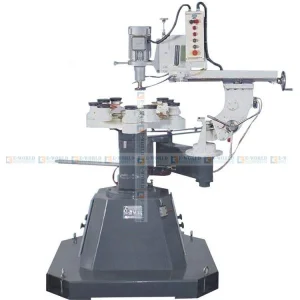
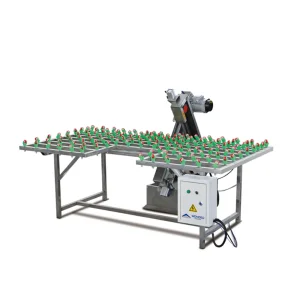
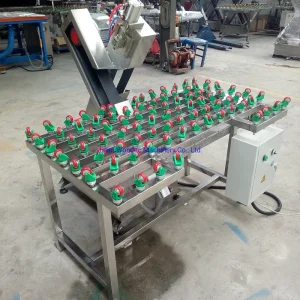
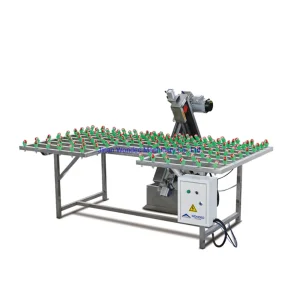
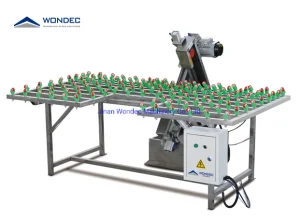
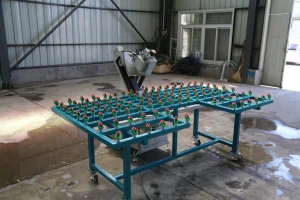
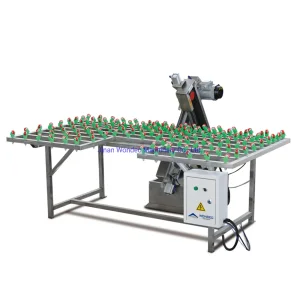
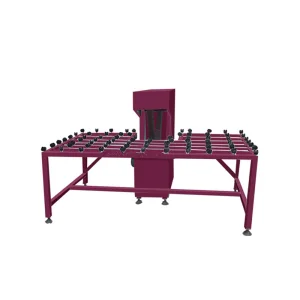
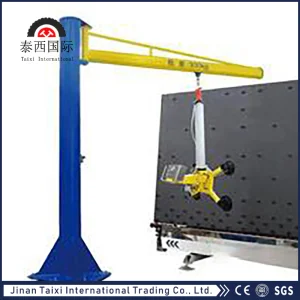
Established in 2008, Nanjing Honghe Glass Machinery Co., Ltd. integrates R&D, design, production, sales, and technical services of glass deep-processing machinery. The company is located in the economically developed Qishi Town, Nanjing City, Jiangsu Province. Since its inception, Honghe has earned recognition from industry organizations and government authorities alike. After years of accumulation and continuous innovation, Honghe has secured numerous national invention patents and independent intellectual property rights, yielding a robust research and development portfolio.
Our commitment to precision engineering, reliability, and user-friendly operation has made us a trusted supplier to glass fabricators worldwide. By combining advanced manufacturing processes with high-quality components, we deliver glass processing equipment that helps our clients increase productivity, lower operating costs, and maintain safety and compliance standards in their local markets.
Expert answers to common engineering and operational questions about wet-belt grinding machinery.
Consult with our applications team to get custom layout drawings, regional freight cost calculations, and a detailed commercial quote tailored to your processing facility.
Send Inquiry Now