Honghe Machinery
Honghe Machinery
Honghe Machinery
Advanced engineering equipment integrated with micro-particle filtration for pristine finishing.
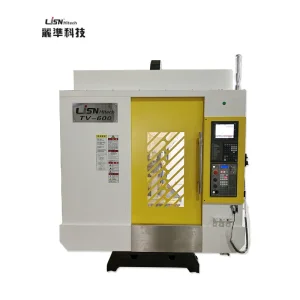
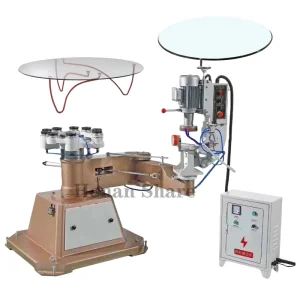
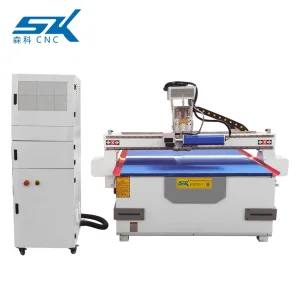
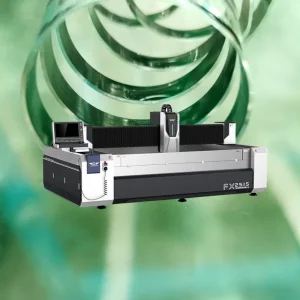
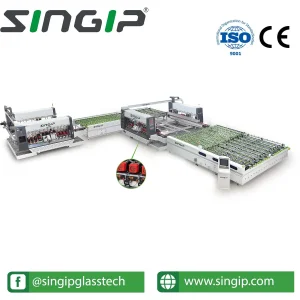
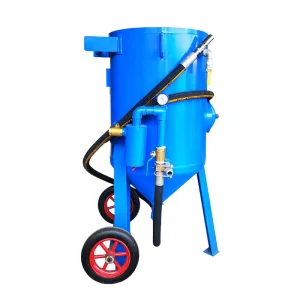
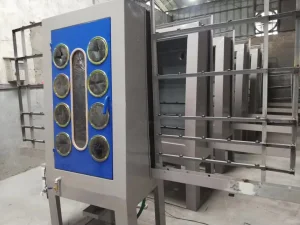
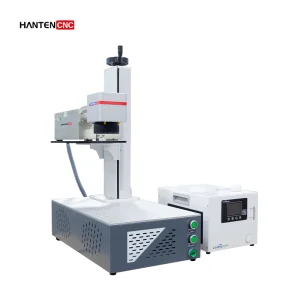
In modern high-speed glass grinding, drilling, and polishing, the accumulation of glass sludge (microscopic glass particles suspended in water) presents a substantial barrier to production efficiency and surface quality. Glass sludge acts as an aggressive abrasive material, prematurely wearing down expensive diamond wheels, clogging water lines, scratching glass surfaces, and causing pump failure. To tackle this, leading glass processors globally are turning to integrated Glass Sludge Separators.
As a specialized field within industrial wastewater management, centrifugal glass sludge separators work by applying centrifugal forces exceeding 2,000 to 3,000 times gravity (G-force). This force extracts ultra-fine glass dust down to 2–5 microns, producing a semi-dry cake that is easy to discard, while returning purified water back to the machining cycle. The result is a closed-loop system that reduces water consumption, eliminates consumable filter media costs, and ensures optimal grinding consistency.
Suspended glass particles act as a secondary abrasive. By removing these particles, tools like diamond grinding wheels experience up to 40% longer lifespans, and surface scratch rates plummet to near zero.
Unlike paper filters or filter presses that require constant media changes, centrifugal separators use physical G-force to separate solids, leading to minimal operational overhead and eco-friendly waste output.
Equipped with PLC modules and automatic sludge scraper systems, modern separators run continuously without operator intervention, self-cleaning and self-discharging into standard containers.
When sourcing a high-performance separator from top global suppliers and exporters, industrial purchasers must evaluate equipment based on deep technical parameters rather than surface-level metrics. Here is the operational checklist of the top aspects to consider:
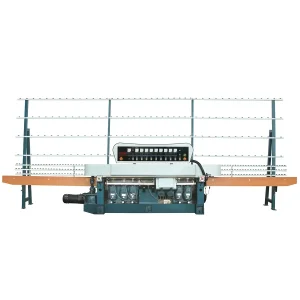
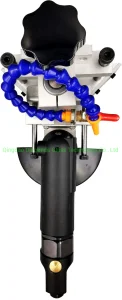
Targeted glass processing systems optimized for specialized industrial manufacturing lines.

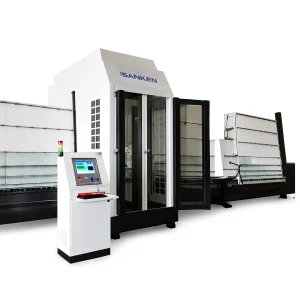
High-end glass cleaning and drying machines significantly improve the efficiency and quality of architectural glass processing through automation and intelligent technology.
Honghe's intelligent manufacturing solutions have been implemented in glass edge grinding, glass cleaning, digital printing glass cleaning, and architectural glass processing, receiving customer praise for their superior product qualification rate and per capita efficiency.

Honghe's intelligent manufacturing solutions have been implemented in glass edge grinding, glass cleaning, digital printing glass cleaning, and architectural glass processing, receiving customer praise for their superior product qualification rate and per capita efficiency.
Honghe's intelligent manufacturing solutions have been implemented in glass edge grinding, glass cleaning, digital printing glass cleaning, and architectural glass processing, receiving customer praise for their superior product qualification rate and per capita efficiency.
Honghe's intelligent manufacturing solutions have been implemented in the fields of glass edge grinding, glass cleaning, digital printing glass cleaning, and architectural glass processing, receiving customer praise for their superior product qualification rate and per capita efficiency.
Understanding the fluid dynamics of glass coolant clarification is paramount. Glass fines exhibit high density (~2.5 g/cm³) but extremely small diameters (often < 10 microns). According to Stokes' Law, the terminal settling velocity is proportional to the square of the particle diameter. In gravity settling tanks, micro-particles remain suspended almost indefinitely. Centrifugal separation bypasses this bottleneck by amplifying gravity, resulting in rapid sedimentation against the rotor walls.
| Filtration Method | Filtration Limit | Consumable Costs | Labour Requirement | Sludge Moisture Content |
|---|---|---|---|---|
| Centrifugal Separator (High G-force) | 2–5 microns | Zero (No filter media required) | Automated (Fully PLC controlled) | 15% - 25% (Semi-dry solid cake) |
| Traditional Settling Tanks | 50+ microns (Without flocculants) | Moderate (Flocculant chemical usage) | High (Frequent manual cleaning) | 70%+ (Liquid sludge slurry) |
| Paper Band / Media Filters | 15–20 microns | High (Constant filter roll changes) | Moderate (Roll monitoring & replacement) | 40% - 50% (Soggy paper waste) |
| Chamber Filter Presses | 5–10 microns | Moderate (Filter cloths & energy) | High (Manual scraping & cycle resets) | 30% - 40% (Compact plates) |
Sourcing glass sludge separators and comprehensive glass-processing integration lines from specialized Chinese manufacturers like Nanjing Honghe Glass Machinery Co., Ltd. offers key competitive advantages in production and supply chain security. China's industrial clusters for machinery manufacturing are highly integrated, combining metal casting, high-precision CNC rotor turning, heat treatment, electrical harness assembly, and PLC software development within tight regional hubs.
This geographic consolidation drastically cuts lead times. In standard market conditions, custom-configured heavy-duty centrifugal separation lines can be engineered, assembled, tested, and dispatched in under 45 days. Localized access to high-grade alloy metals, combined with large-scale manufacturing structures, enables a cost-reduction strategy that provides up to 30% to 40% capital expenditure savings compared to Western counterparts, without compromising mechanical tolerances or electrical compliance codes.
Established Year
Tool Life Increase
Sludge Separation Rate
Water Recirculation
The global glass processing industry faces rising environmental and regulatory pressure. In regions like the European Union and North America, strict waste disposal regulations classify raw glass slurry as industrial waste, making it costly to dump in landfills. The future of separation technology lies in Zero Liquid Discharge (ZLD) systems.
Additionally, modern separators are integrating AI-driven sensor grids. By measuring coolant turbidity and rotor vibration in real-time, the system automatically adjusts processing speeds and scraper cycles. Smart notifications alert operators to scheduled preventative maintenance before a critical line failure occurs. This predictive monitoring keeps the entire glass processing line online, avoiding costly downtime during high-volume production runs.
Over a decade of engineering excellence in glass deep-processing machinery.
Nanjing Honghe Glass Machinery Co.,Ltd. was established in 2008 and integrates R&D design, production, sales, and technical services of glass deep processing machinery. The company is located in the economically developed Qishi Town, Nanjing City, Jiangsu Province. Since its inception, Honghe has been recognized by industry organizations and government authorities. After years of accumulation and continuous innovation, Honghe has obtained a number of national invention patents and independent intellectual property rights, and its research and development level has yielded highly fruitful results.
Our intelligent manufacturing solutions have been successfully implemented across architectural glass, car glass, photovoltaic glass, coated glass, and digital printing lines, earning outstanding reviews for improving product qualification rates and per capita efficiency.
Detailed answers to complex operational and metallurgical questions from our engineering department.
A: When recirculated coolant contains suspended glass fines, these micro-particles are pushed back into the grinding contact point. This acts as a polishing compound that dulls the diamond matrix of the wheel prematurely, causing glazing. Clear, clarified water prevents this friction buildup, keeping the diamond grit sharp and extending tool service life by 30% to 50%.
A: With a high-speed centrifugal separator operating at 3,000 G-force, the separated glass sludge is compressed into a dense, semi-dry cake with a moisture content of roughly 15% to 20%. It is dry enough to handle, transport, and dispose of in standard waste bins without leaking liquid slurry onto factory floors.
A: Yes. Unlike paper filters which can blind or tear, or membranes that clog, centrifugal separators rely entirely on mechanical density differences. They efficiently separate glass dust from water-based synthetic coolants, grinding oils, and cooling fluids without altering the chemical concentration or stripping beneficial rust-preventative additives from the fluid.
A: Our automatic scraper centrifuge systems are engineered for zero-touch operation. They feature programmable PLC timers that periodically slow the rotor and scrape the cake into a bin below, allowing for months of continuous operation without manual intervention. Manual rotor systems, used for smaller lines, require cleaning every 1 to 2 shifts depending on glass volume.
A: Yes. For global distribution, machines must meet European CE directives (Machinery Directive 2006/42/EC, Low Voltage Directive 2014/35/EU, and EMC Directive 2014/30/EU). For the North American market, control panels are UL 508A certified, and motors meet NEMA premium efficiency regulations.
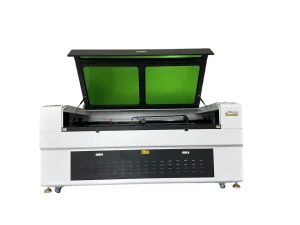
Expand your manufacturing capabilities with our high-end cutting, edging, and engraving equipment.