Honghe Machinery
Honghe Machinery
Honghe Machinery
Explore our premium selection of industrial glass processing, edging, and washing systems engineered for peak performance.
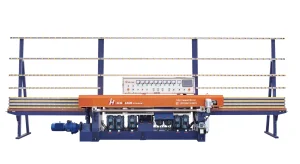
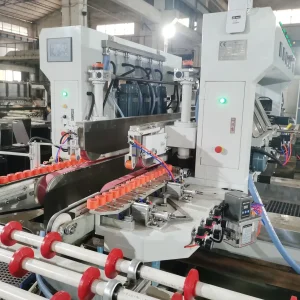
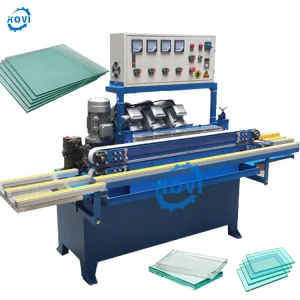
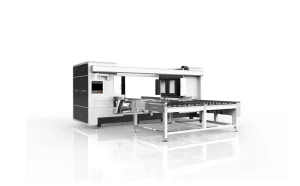
Unveiling the physics and operational dynamics behind sub-micron substrate decontamination in advanced glass processing lines.
Modern glass manufacturing demands flawless surface preparation. Whether prepping substrates for complex thin-film magnetron sputtering coatings, lamination, or automotive ADAS integration, even a microscopic contaminant particle (down to 0.1 microns) can lead to catastrophic optical defects and delamination. Ultrasonic Glass Cleaning Systems have transitioned from optional specialized equipment to critical core assets on high-speed flat and curved glass processing lines.
Unlike traditional rotary brush scrubbing machines that run the risk of introducing hairline micro-scratches on sensitive glass surfaces, ultrasonic systems utilize high-frequency electrical energy. This energy is converted into physical, micro-level mechanical vibrations by piezoelectric transducers. These soundwaves propagate through the liquid media, creating alternating high-pressure and low-pressure cycles. During the low-pressure cycle, millions of microscopic vacuum bubbles are formed. During the subsequent high-pressure phase, these bubbles implode violently. This phenomenon, known as cavitation, generates localized shear stress forces exceeding 135 MPa and micro-jets with velocities of over 100 meters per second, scrubbing dirt, oils, glass fines, and chemical residue from the surface at a molecular level.
By tuning transducer frequencies—ranging from 28 kHz for heavy-duty glass-cutting and grinding residue removal to 40 kHz or even 80 kHz (megasonic ranges) for delicate semiconductor-grade photo-mask or flat panel display processing—factories can tailor the kinetic energy of cavitation to the specific fragility and structural attributes of the glass substrate.
How high-end glass cleaning and drying technologies optimize structural reliability and surface performance across multiple industrial sectors.

High-end glass cleaning and drying machines significantly improve the efficiency and quality of architectural glass processing through automation and intelligent technology. In structural facades, tempered partitions, and low-E insulated glass units (IGUs), removing chemical oxides and dust prior to sealing prevents gas leaks and coating degradation over decades of exposure.

Honghe's intelligent manufacturing solutions have been successfully implemented in high-precision glass edge grinding, ultrasonic glass cleaning, digital printing glass washing, and architectural safety glass lines. This ensures a superior product qualification rate and per capita operational efficiency for automotive windshields, sidelights, and sensor-ready smart glass arrays.

Achieving optimum light transmittance in solar applications requires perfect cleanliness. Our intelligent solar glass cleaning configurations rid textured PV surfaces of residual slicing powder and organic films, allowing anti-reflective coatings (ARC) to bond tightly. This directly yields higher solar cell energy efficiency and a long lifespan in harsh outdoor environments.
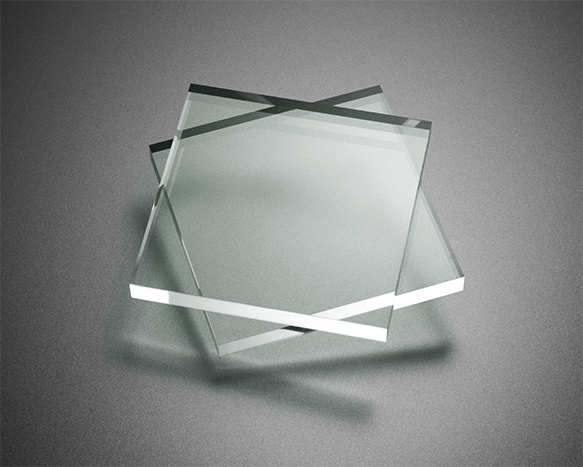
For sputter-coated Low-E, mirrors, and anti-reflective display glass, raw cleaning quality dictates performance. Ultrasonic cavitation removes invisible organic stains and salts that cause pinholes and peel-off defects under vacuum coatings. Implement Honghe's specialized inline cleaning to achieve zero defect rates and unmatched coating integrity.
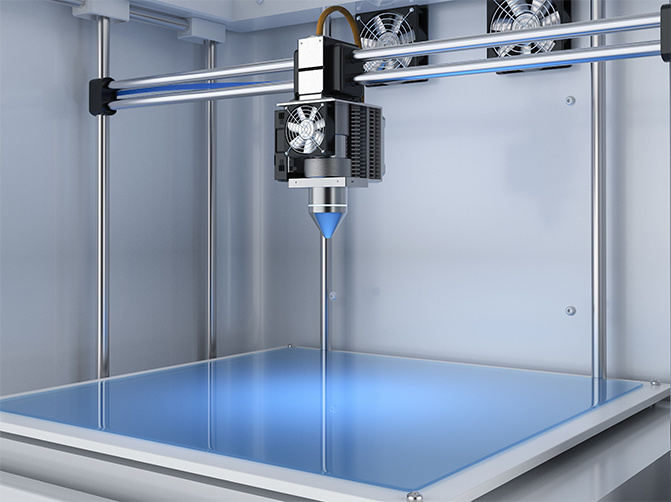
Honghe's intelligent manufacturing solutions have been widely deployed in glass edge grinding, glass cleaning, digital printing glass washing, and architectural safety glass lines. Prior to digital ceramic ink jet printing, clean surfaces are essential. Ultrasonic cleaning guarantees ink adhesion, preventing color separation, bubbles, and edge peeling during firing and tempering processes.
Established in 2008, Nanjing Honghe Glass Machinery Co., Ltd. is a modern, high-tech enterprise integrating R&D, custom design, precision production, global sales, and comprehensive technical services for glass deep-processing machinery.
Located in the economically vibrant Qishi Town, Nanjing City, Jiangsu Province, Honghe has consistently been recognized by authoritative industry organizations and government departments alike. Backed by decades of research and continuous field innovation, the company holds numerous national invention patents and independent intellectual property rights. Our R&D achievements have yielded robust, commercial-grade, multi-stage glass washing lines and grinding systems that operate across six continents.
Uncovering the manufacturing cluster dynamics, vertical integration, and cost-efficiency parameters that position Chinese factories at the helm of international procurement.
When global buyers evaluate procurement sources for industrial-scale Ultrasonic Glass Cleaning Systems and automated double-edging machine lines, Chinese factories—particularly those clustered in the Jiangsu and Guangdong industrial zones—present unmatched strategic advantages. This dominance is not simply based on competitive pricing, but on deep structural efficiencies and technological sophistication.
Chinese manufacturers benefit from localized supply chains. From high-grade SUS304/SUS316 stainless steel tanks and frame structures to advanced ultrasonic transducers, digital high-frequency generators, and programmable logical controllers (PLCs), every component is manufactured, tested, and sourced in close proximity. This cuts lead times significantly and enables rapid customization based on client-specified layout parameters.
Whether you require a compact vertical glass cleaning unit for custom architectural window shops or a high-capacity horizontal multi-stage system (combining ultrasonic pre-wash, spray washing, high-frequency ultrasonic rinsing, deionized water rinsing, and high-velocity wind knives drying), Chinese engineering teams can tailor-make these lines. Custom adjustments to variables such as roller spacing, drying speeds, glass thickness range (from 2mm to 19mm+), and smart automation link-ups are standard procedures.
Modern Chinese factories are pioneering the integration of remote diagnostics, sensor arrays, and IoT tracking in glass processing equipment. Systems feature Siemens, Mitsubishi, or custom proprietary touchscreen interfaces that monitor real-time water quality (TDS/conductivity), water temperatures, transducer output amplitudes, and conveyor transit speeds. Remote diagnostics allow engineers in China to assist local operators worldwide with troubleshooting, maximizing uptime.
A methodical checklist for procurement directors and plant managers to select the optimum industrial glass washing configuration.
Investing in a high-capacity cleaning line requires careful planning. Failure to match machine specifications with production volumes or target glass coatings will lead to downstream defects. Here is the operational blueprint utilized by Fortune 500 manufacturing plants when selecting equipment suppliers:
By defining your target substrate geometry and production line speeds early, manufacturers like Nanjing Honghe Glass Machinery can customize transport rollers with precise hardness ratings to match high-precision specifications. This protects delicate materials like low-E and car glass from processing scuffs.
How environmental guidelines, automation, and advanced diagnostics are directing capital investment in global glass plants.
As regulatory pressures shift factories toward zero-liquid-discharge (ZLD) models and carbon neutrality, machinery suppliers are forced to innovate. Traditional industrial wash lines were notoriously resource-intensive, dumping thousands of gallons of water daily. Today, modern designs prioritize sustainability alongside throughput.
Modern ultrasonic wash lines utilize closed-loop, inline deionization (DI) systems. By routing rinse water through activated carbon, organic scavenger beds, and mixed-bed resin tanks, the water's electrical conductivity is kept below 0.1 µS/cm. This pure water is continually recycled back to the ultrasonic and spray stages, cutting overall freshwater intake by up to 85%.
Static ultrasonic frequencies create standing wave patterns inside the wash tank, leaving clean and dirty zones. State-of-the-art systems utilize sweep frequency generators. By modulating the frequency back and forth slightly (e.g., 38 kHz to 42 kHz), the cavitation hot-spots continuously shift throughout the bath. This ensures uniform cleaning of complex shaped pieces like curved automotive windshields and bevel-edged decorative glass panels.
Critical answers regarding specifications, operation, maintenance, and integration of industrial glass washers.
Normal spray washing relies on hydraulic pressure to wash away surface dust. This method struggles with sub-micron particles, inorganic compounds, and cutting oils held on by chemical bonds. Ultrasonic cleaning relies on cavitation—where micro-implosions shear contaminants off the glass substrate at a molecular level, offering far superior cleaning without mechanical scratching.
Low-E and coated glass surfaces are exceptionally sensitive to physical touch. High-end ultrasonic machines use non-contact cleaning stages, soft high-grade polymer transport rollers (like EPDM or NBR), and variable speed controls. These design elements ensure the active coating layer never rubs against abrasive surfaces during the wash-rinse cycles.
For heavy architectural panels and raw tempered glass pre-processing, 28 kHz to 40 kHz is ideal as it produces large, highly energetic cavitation bubbles that easily strip away grinding debris. For electronic display panel glass, ultra-thin substrates, or touch screens, frequencies of 80 kHz up to 200 kHz are used. These create micro-scale cavitation zones that remove fine particles without damaging sub-micron circuits.
Routine maintenance includes monitoring water conductivity, cleaning filtration cartridges, clearing debris from spray nozzles, and inspecting transducers and generators. Maintaining proper water chemistry and avoiding excessive hardness prevents scale buildup on ultrasonic surfaces, ensuring efficient acoustic transmission.
Yes. Chinese factories like Nanjing Honghe Glass Machinery design modular components. We tailor line heights, direction of travel (left-to-right or right-to-left), processing speeds, and interface protocols (Profibus, Ethernet/IP) to match and communicate with your existing double-edgers, cutters, or tempering furnaces.
Explore high-capacity insulating glass lines, precision cutting tables, and industrial glass cutting systems.