Honghe Machinery
Honghe Machinery
Honghe Machinery
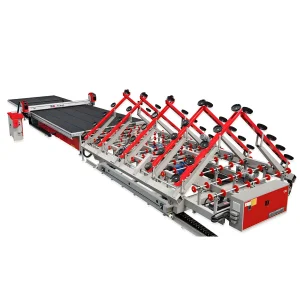
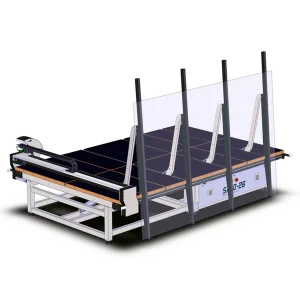
Our line of elite automated cutting, drilling, and finishing equipment integrates flawlessly with automated inspection systems for defect-free production.
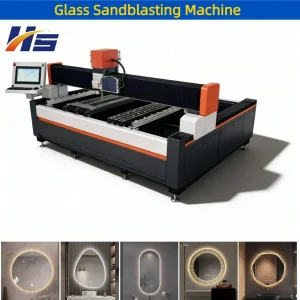
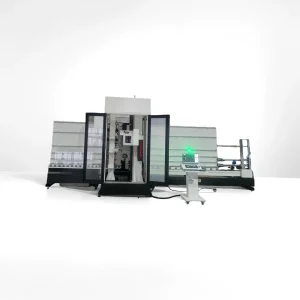
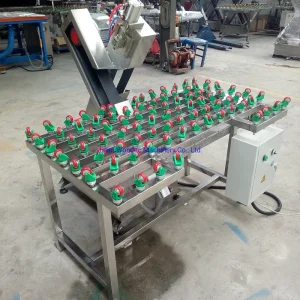
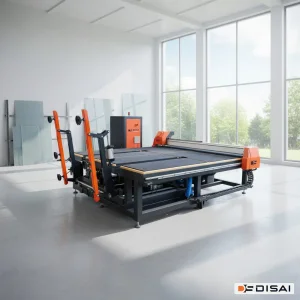

In the modern industrial arena, glass is no longer just a structural or aesthetic element; it is an engineered substrate. Whether it is the ultra-thin chemically strengthened cover screens on mobile devices, multi-layered smart acoustic automotive windshields, double-glazed low-emissivity (Low-E) building envelopes, or dual-junction photovoltaic panels, the demands for physical and optical perfection are absolute. A minor defect in raw float glass processing—such as a 50-micrometer gaseous bubble, a tiny quartz seed particle, a hairline surface scratch, or minor local optical distortion—can result in structural failures under heat tempering, delamination, signal loss, or major aesthetic warranty claims.
Globally, manual human inspection is no longer economically or technically viable. Human inspection systems cannot scale to meet production lines running at speeds of up to 60 meters per minute, nor can they consistently recognize microscopic sub-millimeter anomalies. To fill this gap, Automated Glass Defect Detection Systems utilize advanced line-scan machine vision systems, telecentric backlighting, optical triangulation, and artificial intelligence models to inspect 100% of the production run in real-time. By implementing these digital quality assurance measures, plants see a dramatic rise in yield rates while minimizing mechanical waste and cutting labor expenditures.
Legacy systems classify anomalies using basic light-attenuation thresholding. This results in high false-alarm rates (false rejects) by flagging non-critical factors like harmless dust particles or water condensation. Nanjing Honghe's integration of machine vision and automated cleaning ensures that physical glass cleaning is paired with smart classification, separating washable surface contaminants from permanent glass material faults.
Tailored inspection and processing configurations engineered to resolve specific manufacturing issues in diverse applications.

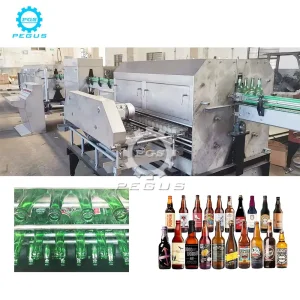
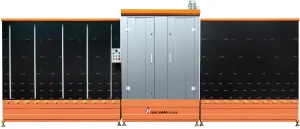
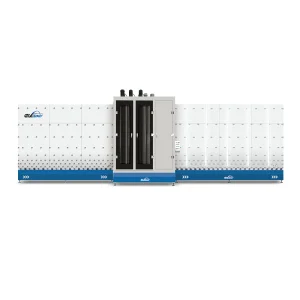
High-end glass cleaning and drying machines significantly improve the efficiency and quality of architectural glass processing through automation and intelligent technology.

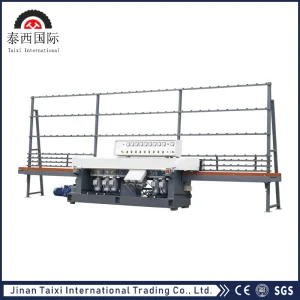
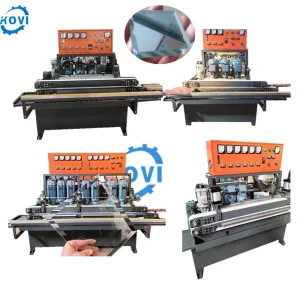
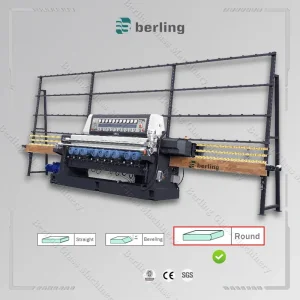
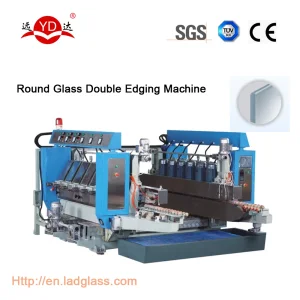
Honghe's intelligent manufacturing solutions have been implemented in glass edge grinding, glass cleaning, digital printing glass cleaning, and architectural glass processing, receiving customer praise for their superior product qualification rate and per capita efficiency.

Honghe's intelligent manufacturing solutions have been implemented in glass edge grinding, glass cleaning, digital printing glass cleaning, and architectural glass processing, receiving customer praise for their superior product qualification rate and per capita efficiency.
Honghe's intelligent manufacturing solutions have been implemented in glass edge grinding, glass cleaning, digital printing glass cleaning, and architectural glass processing, receiving customer praise for their superior product qualification rate and per capita efficiency.
Honghe's intelligent manufacturing solutions have been implemented in the fields of glass edge grinding, glass cleaning, digital printing glass cleaning, and architectural glass processing, receiving customer praise for their superior product qualification rate and per capita efficiency. Honghe's intelligent manufacturing solutions have been implemented in the fields of glass edge grinding, glass cleaning, digital printing glass cleaning, and architectural glass processing, receiving customer praise for their superior product qualification rate and per capita efficiency.
Nanjing Honghe Glass Machinery Co.,Ltd. is established in 2008 and integrating R&D design production sales and technical services of glass deep processing machinery.The company is located in the economically developed Qishi Town Nanjing City,Jiangsu Province. Since its inception,Honghe has been recognized by industry organizations and government authorities. After years of accumulation and continuous innovation Honghe has a number of national invention patents and independent intellectual property rights and the research and development level has achieved fruitful results.
"By unifying high-end physical processing tools—including washing, drying, grinding, and precision cutting—with state-of-the-art optical quality assessments, we supply comprehensive, turnkey production solutions for glass manufacturers globally."
An in-depth guide to detecting, classifying, and mitigating physical anomalies in flat, coated, and laminated glass lines.
Modern glass defect detection systems utilize multi-channel line-scan cameras coupled with brightfield and darkfield LED illumination arrays. The system works by analyzing light interactions with the glass sheet:
Old-school vision systems relied on static threshold parameters, resulting in high false-reject rates. To solve this, Nanjing Honghe systems integrate advanced Deep Convolutional Neural Networks (CNNs).
For exporters targeting Europe, North America, and Southeast Asia, adhering to regional regulations is critical. Our systems support compliance with major international standards:
Defines maximum allowable sizes for gaseous inclusions, stones, and surface blemishes in flat architectural and heat-treated glass.
Governs light transmission, direct solar transmittance, and total solar energy transmittance calculations for architectural and coated glass coatings.
Enforces strict optical distortion limitations and safety structural standards for glass used in automotive windshields and side windows.
Where industrial metrology meets next-generation smart manufacturing and digital thread integration.
The glass manufacturing industry is evolving toward fully automated Smart Factories (Industry 4.0). In this model, individual processing units operate within a unified digital ecosystem. Nanjing Honghe is actively designing machinery that supports this transition by building real-time data loops between physical shaping tools and inspection systems.
When edge-grinding sensors detect micro-cracks or edge defects, the inspection system immediately flags the grinding heads to adjust parameters like feed rate or cooling fluid flow. This real-time calibration prevents tool wear and defect propagation.
By processing raw images directly at the inspection station (edge compute) and transmitting aggregated quality reports to cloud-based monitoring dashboards, plant managers can track defect trends across multiple global production lines simultaneously.
Future inspection configurations will merge standard 2D imaging with advanced 3D laser-line profiling. This integration allows for precise measurement of coating layers and surface curvature changes down to sub-micron tolerances.
Every glass pane can be marked with a laser-engraved QR code (utilizing our specialized Laser Engraving Marking Machines). This code links directly to the pane's digital quality report, tracking it from raw float glass processing through shipping and building installation.
Expert technical answers to common queries regarding automated glass inspection machinery, performance metrics, and system selection.
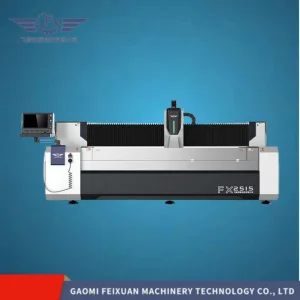
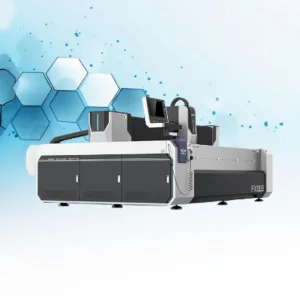
Expand your production capacity with our selection of automated glass grinders, washers, and CNC machining centers.