Honghe Machinery Honghe Machinery

Optimize Energy Consumption in Glass Manufacturing for 2026?

Time:2026-07-31 Author:Mason
0%

The glass manufacturing industry is under increasing pressure to reduce its energy consumption while maintaining production quality. According to the U.S. Department of Energy, glass manufacturing accounts for nearly 5% of total industrial energy consumption. As we look toward 2026, the need to optimize energy consumption in glass manufacturing operations has never been more critical.

Innovations in technology and process management can significantly impact energy efficiency. The Global Alliance for Energy Productivity highlighted that optimizing energy use could save the industry over $1 billion annually. However, many companies still encounter challenges in implementing these efficient practices. A clear gap exists between potential energy savings and current operational standards.

Exploring various avenues for improvement is essential. Techniques such as waste heat recovery, advanced insulation materials, and real-time energy monitoring systems can drastically enhance energy performance. Nevertheless, misconceptions about costs and complexities can hinder progress. It is vital for the industry to address these barriers and commit to optimizing energy consumption in glass manufacturing operations as we move towards a more sustainable future.
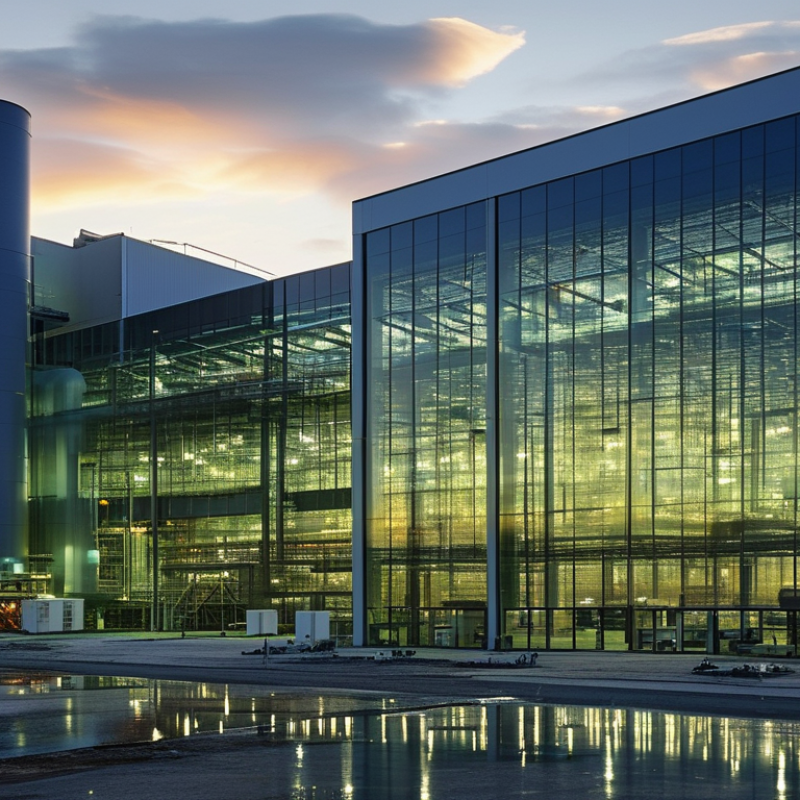
Optimize Energy Consumption in Glass Manufacturing for 2026?

Current Energy Consumption Trends in Glass Manufacturing

The glass manufacturing industry is currently witnessing a notable increase in energy consumption. A recent report from the International Energy Agency (IEA) highlighted that glass production accounts for approximately 2% of global industrial energy use. This trend raises concerns about sustainability and energy efficiency, pushing manufacturers to seek optimization strategies.

In 2021, it was estimated that the sector consumed around 24 terawatt-hours (TWh) of energy. This number is projected to rise as production demands increase. However, while new technologies are emerging, many manufacturers still rely on outdated practices. For instance, furnace operation alone can consume up to 60% of total energy during glass production. This inefficiency leads to significant operational costs and greenhouse gas emissions.

To combat these issues, industry experts suggest implementing advanced monitoring systems. Technologies such as real-time data analytics can enhance process efficiency. Yet, many manufacturers may find it challenging to invest in these upgrades due to budget constraints. Balancing immediate costs with long-term benefits remains a key consideration in energy optimization efforts. The road ahead requires thoughtful innovation and dedication to sustainable practices.

Key Technologies for Reducing Energy Usage in Glass Production

The glass manufacturing industry faces significant challenges in energy consumption. Key technologies emerge as essential solutions to mitigate these issues. One promising approach is the use of high-efficiency melting furnaces. These systems can reduce energy input by up to 30%. This substantial decrease is vital for lowering overall production costs and carbon footprint.

Another innovative technology is the implementation of advanced insulation materials. These materials enhance energy retention within furnaces. This means lower energy loss during production. Furthermore, automation and smart controls play a crucial role. They ensure that systems operate at optimal conditions, thus reducing waste. However, there is still room for improvement in integrating these technologies seamlessly into existing setups.

The shift to renewable energy sources is also a significant focus. Solar and wind energy can lower reliance on fossil fuels. Yet, the transition can be challenging and costly for some manufacturers. They may struggle with the upfront investment needed for these changes. Regular assessments and pilot programs can help identify the most effective strategies. By addressing these complexities, the industry can move toward a more sustainable future.

Optimize Energy Consumption in Glass Manufacturing for 2026

Strategies for Implementing Energy Efficiency Practices

In glass manufacturing, energy efficiency is crucial for sustainability. Many firms face challenges implementing these practices. Poor insulation and outdated equipment are common issues. Identifying potential energy losses is the first step. Regular energy audits can help determine where improvements can be made.

Training employees on energy-saving techniques can lead to substantial reductions in consumption. Simple changes, like turning off equipment when not in use, can make a difference. Encouraging a culture of energy awareness is essential. Workers engaged in energy efficiency initiatives tend to take ownership of their contributions.

Investing in newer technologies may seem costly. However, the long-term savings can be significant. Strategies like optimizing furnace operations or improving cooling systems should not be overlooked. Each step taken helps pave the way for a more sustainable future. Evaluating progress is necessary. Adjustments may be needed along the way, reflecting on what works best is important for continued improvement.

Impact of Renewable Energy Sources on Glass Manufacturing

As the glass manufacturing industry faces increasing pressure to reduce energy consumption, renewable energy sources are becoming a critical focus. According to the International Energy Agency (IEA), manufacturing accounts for around 20% of global energy use, with glass production being particularly energy-intensive, consuming about 6 GJ per ton of glass produced. Transitioning to renewable sources can significantly mitigate this impact.

Integrating solar and wind energy into glass manufacturing processes presents a viable approach for reducing reliance on fossil fuels. A report from the World Economic Forum states that utilizing renewable energy could cut production costs by up to 25% in the long run. However, implementing these changes also poses challenges. Availability, storage, and reliability of renewable energy fluctuate, necessitating careful planning and investment in technology.

Moreover, as manufacturers make strides in using renewable energy, not all companies are equally equipped. Some lack the infrastructure needed to harness these resources effectively. Industry experts point out that the gradual shift to renewables may require decades for widespread adoption, meaning interim solutions must also be explored. Optimizing energy consumption while fully integrating renewables may take more than financial investment; it may require a cultural shift within the industry itself.

Future Innovations in Sustainable Glass Production Techniques

The glass manufacturing industry faces an urgent need for innovation in sustainable production. According to a report by the International Energy Agency, glass production accounts for approximately 3% of global CO2 emissions. This highlights the critical need for energy-efficient technologies in the sector. By 2026, integrating renewable energy sources could reduce emissions significantly. Utilizing solar and wind energy for glass melting processes presents a viable option.

Emerging techniques such as batch processing optimizations are gaining attention. A study indicates that improving batch compositions can yield energy savings of up to 20%. Additionally, deploying advanced sensors can create real-time monitoring systems, ensuring optimal energy use. Despite these advancements, challenges remain. Many manufacturers are still reliant on outdated practices, hindering their transition to greener methods. Ultimately, embracing innovations in sustainable glass production is not just beneficial; it is essential for longevity in an evolving market.

Optimize Energy Consumption in Glass Manufacturing for 2026

Technique Energy Savings (%) CO2 Emissions Reduction (%) Implementation Cost (USD) Payback Period (Years)
Batch Optimization 15 20 25,000 2
Furnace Modifications 25 30 100,000 3
Heat Recovery Systems 30 35 150,000 5
Advanced Insulation 20 25 80,000 4
Renewable Energy Integration 40 50 200,000 6

FAQS

: Why is energy efficiency important in glass manufacturing?

: Energy efficiency is crucial for sustainability and can significantly reduce energy consumption in glass production.

What are common challenges firms face in implementing energy efficiency?

Poor insulation, outdated equipment, and resistance to change are common challenges in implementing energy efficiency.

How can regular energy audits help manufacturers?

Energy audits identify potential losses, revealing where improvements can lead to significant savings and efficiency.

What simple actions can employees take to save energy?

Simple changes, like turning off unused equipment, can greatly reduce energy consumption in the workplace.

How can investing in new technologies benefit glass manufacturers?

Although costly upfront, new technologies can lead to long-term savings and improved energy efficiency in production.

What role does renewable energy play in glass manufacturing?

Renewable energy sources like solar and wind can reduce reliance on fossil fuels and lower production costs over time.

What are the challenges of integrating renewable energy in glass production?

Challenges include availability, storage, reliability, and the need for proper infrastructure to harness these resources effectively.

How can companies optimize their production while transitioning to renewable energy?

Companies should evaluate energy consumption and invest in innovative technologies while fostering a cultural shift towards sustainability.

What future innovations are important for sustainable glass production?

Innovations like batch processing optimizations and real-time monitoring systems could significantly enhance energy efficiency.

What barriers might hinder the adoption of sustainable practices in the industry?

Many manufacturers still rely on outdated practices, which can slow down the shift to more sustainable production methods.

Conclusion

To optimize energy consumption in glass manufacturing operations by 2026, it is essential to analyze current trends in energy usage, which indicate a pressing need for efficiency in production processes. Key technologies, such as advanced furnace designs and energy recovery systems, play a significant role in reducing energy demands. Additionally, implementing comprehensive energy efficiency practices can greatly enhance operational effectiveness.

The integration of renewable energy sources is also transforming the glass manufacturing landscape, offering sustainable alternatives to traditional energy inputs. As the industry looks toward the future, innovations in production techniques, including the use of eco-friendly materials and automated systems, are expected to further mitigate energy consumption. By embracing these strategies and technologies, manufacturers can significantly enhance sustainability and reduce their environmental footprint.

Mason

Mason

Mason is a seasoned marketing professional with a deep expertise in the company's offerings and a passion for driving brand awareness. With a strong background in digital marketing strategies, he has an innate ability to connect with diverse audiences and effectively communicate product benefits.......