Honghe Machinery
The glass processing industry faces significant challenges. It must balance tradition and innovation. Modernizing traditional glass processing techniques is essential for attracting global buyers. According to a report by Grand View Research, the global architectural glass market is projected to reach $121.67 billion by 2027. Such growth demands enhanced production methods.
Many traditional techniques are outdated. Their inefficiencies can lead to wasted resources. Moreover, energy consumption is a major concern within the industry. The International Energy Agency estimates that glass processing accounts for nearly 5% of global industrial energy use. Modern solutions can reduce this impact. However, not all companies are adopting advanced technology quickly.
Some manufacturers hesitate due to high initial costs. They worry about return on investment. Yet, case studies show successful transformations can yield long-term benefits. Adopting digital tools enhances precision, reducing material waste. Ultimately, companies must reflect on their practices. Embracing modernization can create a competitive edge in the evolving marketplace.
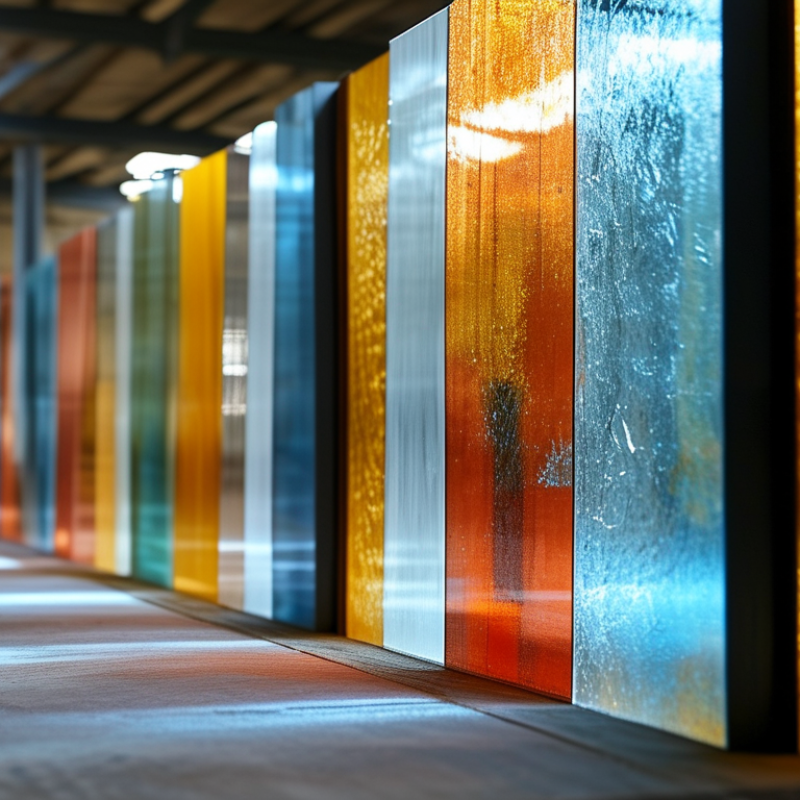
Traditional glass processing techniques have deep historical roots. These methods include blowing, casting, and cutting. They have shaped the art of glassmaking for centuries. Skilled artisans have passed down their knowledge through generations. This ensures that each piece tells a unique story. However, as global demand grows, these techniques face significant challenges.
Modern buyers seek both innovation and quality. Artisans must adapt. They can integrate technology while respecting tradition. For instance, automation can streamline production without compromising craftsmanship. Yet, it raises questions about authenticity. Does modern technology dilute the artistry inherent in traditional methods? The balance between efficiency and skill requires careful consideration.
Reflections on traditional techniques reveal an area of tension. Many artisans feel pressure to meet mass production demands. They risk losing the intricate detailing that defines handmade glass. This shift might broaden accessibility but threatens to erase cultural heritage. It's essential to navigate these complexities, honoring the past while embracing the future.
In the ever-evolving glass industry, modernization is crucial. Traditional glass processing techniques face challenges like inefficiency and waste. Modern methods introduce automation and precision. These advancements can enhance quality while reducing costs. Global buyers increasingly seek sustainable solutions. They demand innovations that align with eco-friendly practices.
Integrating new technologies can streamline production. For instance, computer-controlled cutting tools allow for greater accuracy. This minimizes errors and maximizes material use. Yet, many craftspeople hesitate to adapt. There's a fear of losing artisanal skills that define craftsmanship. Balancing tradition and innovation requires careful thought.
Moreover, training is essential for a smooth transition. Workers must learn to handle modern equipment. This investment pays off with improved productivity. Global buyers appreciate partners who prioritize both quality and sustainability. Addressing these concerns ensures that growth does not overshadow tradition. Progress should respect the craft while embracing the future.
Innovative technologies are reshaping the glass processing industry. Automation has become a key player, enhancing efficiency in production. Machines equipped with AI navigate the complexities of glass shaping with precision. However, this shift brings challenges; not all traditional craftsmen can easily adapt to these new tools. There remains a gap between modern mechanisms and traditional skills.
Sustainable practices are also influencing glass processing. Methods that reduce waste and energy use are increasingly prioritized. These practices are not just beneficial for the environment; they appeal to global buyers looking for responsible sourcing. Yet, establishing these sustainable systems can be expensive. Smaller manufacturers might struggle to meet these new demands.
Moreover, enhanced data analytics are providing insights into market trends. Manufacturers can now predict customer preferences with greater accuracy. While this approach appears promising, it requires constant updates and technological investment. It’s a balancing act for many companies. The need for modernization is clear, but the path is fraught with uncertainties. As the industry evolves, it’s essential to reflect on how to integrate innovation without losing the essence of traditional craftsmanship.
The glass processing industry is undergoing significant changes. Modern techniques are increasingly focusing on sustainability. These practices aim to reduce waste and energy consumption. For example, recycled glass is now a primary raw material in production. Using recycled materials can significantly lower the carbon footprint of glass manufacturing.
Innovative technologies like solar-powered furnaces are emerging. They harness renewable energy to melt glass, replacing traditional fossil fuels. However, implementing these systems requires upfront investments and adjustments. Not all facilities can afford these changes easily. This presents a challenge for producers who want to be environmentally friendly but face financial constraints.
Moreover, water use in glass processing remains an area needing attention. Innovative methods can reduce water waste but are slower to adopt. Industry-wide collaboration is essential to share successful strategies. Despite strides in sustainability, many companies still follow outdated practices. Moving towards a greener future is crucial, but it requires ongoing reflection and commitment from industry players.
| Technique | Description | Sustainability Impact | Adoption Rate (%) | Future Outlook |
|---|---|---|---|---|
| Recycled Glass Usage | Incorporating recycled glass into new products to reduce raw material extraction. | Decreases carbon footprint and conserves natural resources. | 65 | Increasing with growing demand for eco-friendly products. |
| Energy Efficient Melting | Utilizing advanced technologies to lower energy consumption in the melting process. | Significantly reduces energy use and greenhouse gas emissions. | 75 | Continually developing to improve energy savings. |
| Batch Optimization | Enhancing raw material batches to minimize waste during production. | Reduces scrap material and production costs. | 70 | Promising growth as technology advances. |
| Waste Heat Recovery | Capturing and reusing heat generated during production processes. | Improves overall energy efficiency and reduces emissions. | 60 | Evolving as a cost-effective sustainability measure. |
| Green Packaging Initiatives | Developing sustainable packaging solutions for glass products. | Reduces plastic waste and enhances product appeal. | 50 | Rising importance as consumers prefer eco-friendly options. |
Modern glass processing techniques have evolved significantly. Traditional methods often relied on time-consuming and labor-intensive practices. However, recent case studies show how modernization improves efficiency and meets global demands.
One example is the integration of automated cutting technologies.
Factories that adopted these systems reduced waste and increased precision. Workers now focus on quality control, spending less time on repetitive tasks. Though initial investments were high, many experienced a quick return. They found a balance between technology and craftsmanship, but not every company succeeded. Mistakes in training and adaptation sometimes led to setbacks.
Another case highlights the use of sustainable materials. Some workshops implemented recycled glass to attract eco-conscious buyers. While this approach helped reduce costs, it posed challenges in quality consistency. Achieving the right balance required ongoing testing and adjustments. These experiences provide lessons for others. They emphasize the importance of flexibility and a willingness to learn from shortcomings.
: Modernization enhances efficiency, reduces waste, and improves quality in glass processing.
Computer-controlled cutting tools and solar-powered furnaces are notable advancements.
Using recycled glass reduces the carbon footprint and energy consumption significantly.
Financial constraints and fear of losing artisanal skills can hinder adaptation.
Workers need skills to operate new equipment, which boosts productivity.
Companies must adopt environmentally friendly practices and collaborate to share strategies.
Yes, many craftspeople worry about losing traditional skills amidst innovation.
Water use remains a concern, and innovative methods take time to adopt.
Balancing modern techniques with respect for craftsmanship is vital for sustainable progress.
Ongoing reflection and collaboration among industry players are essential for effective change.
The article "Modernizing Traditional Glass Processing Techniques for Global Buyers" explores the evolution of glass processing by integrating modern innovations with traditional methods. It begins with an overview of conventional glass processing techniques and highlights the urgent need for modernization to meet global market demands. Innovative technologies, such as automation and advanced software, are transforming glass production processes, enhancing efficiency and quality.
Furthermore, the article emphasizes sustainability practices in modern glass processing, showcasing how environmentally friendly methods are becoming integral to production. Case studies are presented to illustrate successful endeavors in modernizing traditional glass processing techniques, demonstrating the transformative potential these advancements hold for the industry. By blending tradition with innovation, the glass processing sector can not only improve its competitiveness but also cater effectively to an increasingly conscious global consumer base.
