Honghe Machinery Honghe Machinery

Integrate Intelligent Systems in Glass Processing for Efficiency?

Time:2026-06-22 Author:Oliver
0%

The integration of intelligent systems into glass processing presents a promising frontier in manufacturing efficiency. By harnessing advanced technologies such as artificial intelligence and machine learning, businesses can significantly optimize production processes. These systems can analyze real-time data, improving decision-making and reducing waste.

However, implementing intelligent systems is not without challenges. Companies must consider the costs involved in upgrading existing machinery and training staff to adapt to new technologies. Additionally, the reliability of these systems can vary, raising concerns about over-dependence on automated solutions. Addressing these barriers is crucial for those seeking to fully integrate intelligent systems into glass processing.

To thrive in today’s competitive landscape, embracing innovation is essential. Companies must strike a balance between traditional methods and modern technological advances. Those that successfully integrate intelligent systems into glass processing will likely see enhanced efficiency and improved product quality. The journey may be complex, requiring continuous adaptation and learning.
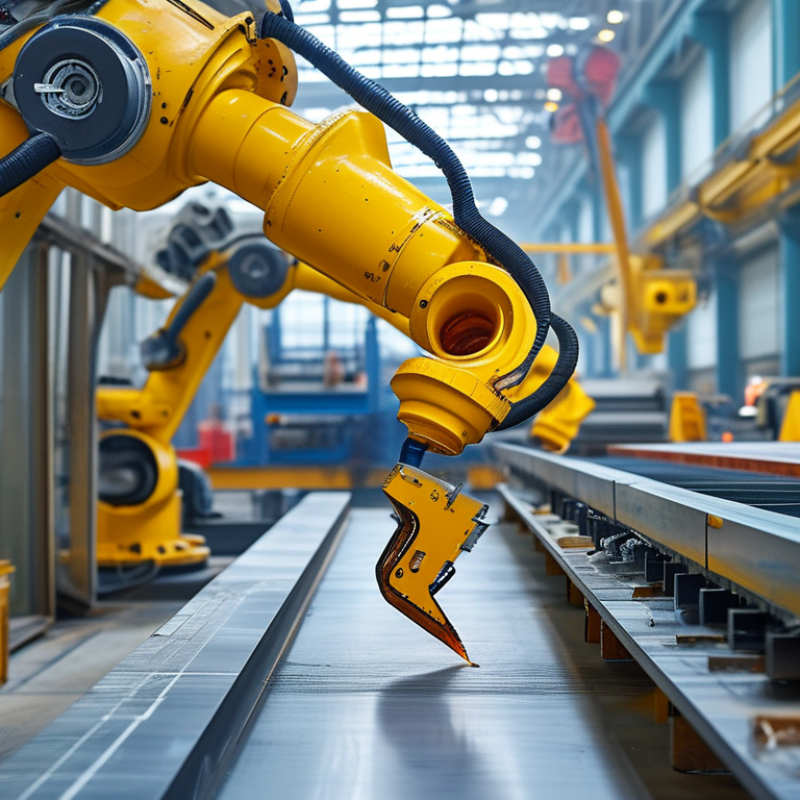
Integrate Intelligent Systems in Glass Processing for Efficiency?

Understanding Intelligent Systems in Glass Processing

Intelligent systems play a crucial role in modern glass processing. Various technologies, such as automation and machine learning, are reshaping the industry. According to a recent report by the International Glass Association, integrating intelligent systems can improve production efficiency by up to 30%. This shift is crucial for meeting the increasing demand for high-quality glass products.

Adopting intelligent systems allows for real-time monitoring. Decision-making processes become faster and more accurate. For example, advanced sensors help detect defects early, reducing waste significantly. The source of inefficiencies often lies in traditional manual processes. Many manufacturers still rely on outdated systems, which can lead to errors and increased costs.

Yet, challenges remain in implementation. Training staff to use these new systems requires time and resources. Transitioning to intelligent technology can be daunting for established firms. Balancing costs and the potential for increased profits is essential. The industry's future depends on its ability to adapt, innovate, and embrace these intelligent solutions.

Benefits of Integrating Intelligent Systems for Efficiency

Integrating intelligent systems in glass processing promises substantial efficiency gains. According to a recent industry report, companies adopting automation in their operations improved productivity by up to 30%. These systems streamline workflows, reduce waste, and enhance product quality. In glass processing, where precision is crucial, intelligent systems can offer real-time data analysis that helps in making informed decisions.

However, the transition to these technologies isn’t without challenges. Some companies report difficulties in training staff to work alongside automated systems. This gap can hinder the efficiency benefits initially promised. Additionally, the upfront investment in technology may deter smaller companies. Yet, data shows that these systems can lead to an average return on investment of 25% over three years.

Predictive maintenance is another area where intelligent systems excel. By proactively addressing equipment issues, companies can reduce downtime. Research indicates that predictive maintenance can decrease maintenance costs by up to 40%. Despite these advantages, manufacturers must remain cautious. The evolving nature of technology means that constant adaptation is necessary. It’s essential to balance integration with a critical assessment of the processes involved.

Key Technologies Enabling Intelligent Glass Processing

The integration of intelligent systems in glass processing holds great promise. This approach leverages several key technologies. Sensors play a critical role, gathering real-time data from manufacturing processes. They can monitor temperature, pressure, and even the chemical composition of materials. However, the accuracy of these sensors can be influenced by environmental factors, which requires careful calibration.

Artificial intelligence is also essential. Machine learning algorithms can analyze data to optimize production. For instance, they can predict equipment failures or identify inefficiencies. Yet, implementing AI systems raises questions. How to ensure the data used is accurate and diverse enough for reliable outcomes? Addressing bias in training data is crucial for effective AI.

Automation enhances efficiency but presents challenges. Robots can perform repetitive tasks with precision. However, integrating automation can lead to job displacement. Training programs for workers are necessary to transition into new roles. It’s vital to balance technological advancement with workforce support. As the industry evolves, these technologies must be continually assessed for effectiveness and ethical implications.

Challenges and Solutions in Implementing Intelligent Systems

Integrating intelligent systems in glass processing presents significant challenges. Many companies face technical limitations, data management issues, and employee resistance. According to a recent industry report, about 70% of organizations struggle with integrating new technology. The data also highlights that only 30% of companies have successfully adopted intelligent systems.


Training is crucial. Employees often lack the necessary skills to operate advanced technology. This gap can lead to frustration and errors, reducing efficiency. Proper training can mitigate these issues, creating a more competent workforce. Additionally, investing in adaptive technology can enhance the integration process. Adopting a phased approach reduces overwhelm, allowing time for adjustments.


Tips: Conduct regular training sessions. Assess employee readiness before implementing new systems. Encourage feedback to improve processes. Remember, change takes time and patience. Also, ensure your data is clean and organized. Without reliable data, intelligent systems can underperform, leading to suboptimal results.

Future Trends in Intelligent Systems for the Glass Industry

The glass industry is evolving rapidly with the integration of intelligent systems. Automation, data analysis, and machine learning significantly enhance production efficiency. Smart sensors monitor temperature and pressure in real-time. These systems enable precision, reducing waste and improving quality.

Emerging trends indicate that predictive maintenance will revolutionize glass processing. By analyzing performance data, systems can forecast potential failures. This proactive approach minimizes downtime and maintenance costs. However, the challenge lies in ensuring data security and system reliability. Companies must balance technology implementation with workforce training.

Moreover, sustainability is becoming central to intelligent systems in glass manufacturing. Energy-efficient processes reduce carbon footprints, aligning with global demands. Yet, integrating green technologies requires investment and adaptation. The industry must innovate continuously while addressing these hurdles to remain competitive and responsible.

FAQS

: What are the benefits of integrating intelligent systems in glass processing?

: Intelligent systems can enhance productivity by up to 30%, streamline workflows, and improve product quality.

What challenges do companies face when adopting these technologies?

Companies struggle with training staff and the initial investment costs. This can slow down the expected efficiency gains.

How does predictive maintenance contribute to efficiency?

Predictive maintenance can reduce downtime and lower maintenance costs by up to 40%. It helps in proactively identifying equipment issues.

What role do sensors play in intelligent glass processing?

Sensors gather critical real-time data on temperature and pressure, affecting manufacturing outcomes. They need careful calibration for accuracy.

Why is artificial intelligence important in this industry?

AI analyzes data for optimizing production and predicting equipment failures, but it requires diverse and accurate data to be effective.

What ethical concerns arise with automation in glass processing?

Automation improves efficiency but can displace jobs. Training programs are vital to help workers transition to new roles.

How is sustainability impacting intelligent systems in glass manufacturing?

Sustainability encourages energy-efficient processes that reduce carbon footprints. However, this requires investment and adaptability.

What are the emerging trends in intelligent systems for the glass industry?

Trends include automation, data analysis, and predictive maintenance, all aimed at enhancing production efficiency and reducing waste.

How does technology implementation affect workforce training?

New technologies necessitate ongoing training for workers, creating an essential balance between advancement and employee support.

What reflects the need for continual assessment in intelligent system implementation?

The evolving nature of technology means companies must regularly evaluate the effectiveness and ethical implications of their adopted systems.

Conclusion

Integrating intelligent systems into glass processing presents a transformative opportunity for enhancing operational efficiency within the industry. By leveraging advanced technologies such as artificial intelligence, machine learning, and automation, manufacturers can optimize production processes, reduce waste, and improve product quality. The benefits of these integrations are vast, including increased speed and precision in fabrication, as well as enhanced data analytics capabilities that inform better decision-making.

However, the implementation of intelligent systems is not without its challenges. Issues such as high initial investment costs, the need for skilled workforce, and potential resistance to change must be addressed. Strategies to overcome these obstacles can foster a smoother transition and pave the way for future trends in the glass industry, emphasizing sustainability and innovation. Ultimately, the goal is to create a synergistic ecosystem where intelligent systems play a pivotal role in driving the evolution of glass processing.

Oliver

Oliver

Oliver is a seasoned marketing professional with a wealth of expertise in driving brand awareness and engagement. With a deep understanding of our company's product offerings, he consistently delivers high-quality content that enriches our professional blog. His insights not only shed light on......