In the ever-evolving world of glass processing, the demand for longer-lasting equipment is critical. To extend the service life of glass processing equipment, industry experts emphasize a combination of regular maintenance and innovative technology. Understanding the nuances of machinery can significantly impact performance and durability.
Advanced techniques, such as predictive maintenance and real-time monitoring, can help operators identify issues before they escalate. This proactive approach fosters greater reliability in equipment performance. Additionally, training staff on the specifics of glass processing can enhance operational efficiency and reduce wear and tear on machines.
Despite our best efforts, equipment failures can still occur. Reflecting on past incidents highlights areas for improvement. Emphasizing the importance of a thorough understanding of machinery will ultimately prove beneficial. By focusing on how to effectively extend service life of glass processing equipment, the industry can achieve greater sustainability and reduced costs.
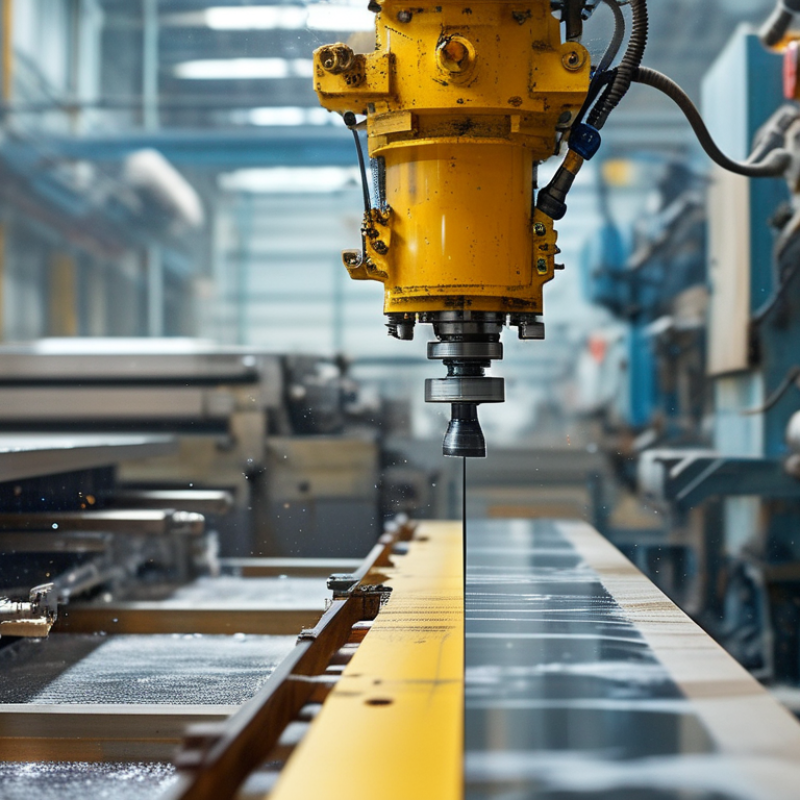
Understanding the Importance of Maintenance in Glass Processing Equipment
Maintaining glass processing equipment is essential for its longevity. Regular maintenance reduces equipment breakdowns. A well-maintained machine operates efficiently, minimizing energy consumption. This efficiency can translate into cost savings for businesses. However, many facilities overlook routine checks. They often wait until problems arise. This reactive approach can lead to costly downtime. Employees might feel pressured to meet production targets. This neglect can shorten the equipment's lifespan.
Scheduled inspections should be a priority. Plan daily, weekly, and monthly checks based on usage. Each component of the equipment requires attention. Focus on wear parts like belts and blades. Keeping these elements in good condition prevents larger issues. Consider training staff on maintenance best practices. A knowledgeable team can identify potential problems early. Regular feedback loops can improve maintenance schedules over time.
Documentation is another critical element. Keeping detailed maintenance records helps track performance trends. This data can reveal patterns of wear or failure. Analyze the information to understand when issues tend to arise. Such insights enable better forecasting of maintenance needs. Yet, many might feel overwhelmed by paperwork. Striking a balance between operation and documentation is vital. Understanding these challenges ensures a thoughtful approach to maintaining glass processing equipment.
Key Factors Impacting the Longevity of Glass Processing Machines
The longevity of glass processing machines is crucial for efficient production. Regular maintenance is a key factor contributing to their lifespan. Operators should implement daily inspections to detect signs of wear and tear. This includes checking for loose components and ensuring lubrication is adequate. Unexpected breakdowns often result from neglecting these simple checks. They can lead to costly repairs and downtime.
Training staff is also essential. Well-informed operators are less likely to misuse equipment. A lack of understanding can lead to improper settings and increased wear. It might be helpful to hold regular training sessions to reinforce best practices. Encouraging operators to report issues can prevent small problems from escalating.
Another critical aspect is the environment where machines operate. Excessive dust, moisture, and temperature fluctuations can negatively affect performance. Appropriate ventilation and climate control can mitigate these effects.
Finally, while technology evolves, it may not always align with existing equipment. Operators should be open to adjustments but cautious about implementing rapid changes. Balancing innovation with existing processes is vital for sustained performance. Often, taking small, deliberate steps proves more beneficial than sweeping modifications.
Best Practices for Regular Maintenance and Inspections
Regular maintenance and inspections are vital for preserving the service life of glass processing equipment. Scheduling routine checks at frequent intervals can help identify potential issues before they escalate. This practice not only ensures smooth operation but also minimizes unexpected downtimes that can disrupt production. Employing checklists during inspections can help maintain uniformity and ensure that no critical areas are overlooked.
Pay attention to the components that often wear out quickly. Seals, belts, and blades require special care. Ignoring these parts can lead to inefficiency and costly repairs down the line. Cleaning the equipment regularly can also prevent abrasive materials from causing damage. Assess the state of your glass processing tools to make adjustments as needed.
Additionally, training staff in proper usage and maintenance techniques is crucial. An uninformed operator can inadvertently cause wear and tear. Equip your team with knowledge about best practices. Reflect on common oversight tendencies among operators. Incorporating feedback and continuous improvement into maintenance routines can elevate equipment performance. Investing time in these practices will yield longer life and reliable operation for your glass processing equipment.
Upgrading Technology to Enhance Equipment Durability
In the realm of glass processing, technology upgrades are crucial for enhancing equipment durability. A recent industry report indicates that more than 70% of processing facilities plan to invest in advanced automation in the next few years. Automation can significantly reduce operational strain on machinery, which often leads to wear and tear. Transitioning to these technologies not only improves efficiency but also extends the life of equipment.
Regular maintenance schedules can also be enhanced through technological upgrades. Utilizing predictive maintenance software can help identify potential issues before they escalate. According to a study by the Glass Manufacturing Industry Council, effective maintenance can extend equipment life by up to 40%. This shift towards a data-driven approach may seem complex, but implementing it can be a game-changer in preventing costly breakdowns.
However, not every upgrade yields immediate results. Some facilities may face challenges in staff training and technology integration. These obstacles can deter teams from fully adopting new systems. It’s essential to continuously assess the effectiveness of upgrades. Continuous feedback from operators often reveals areas needing improvement. Being open to change can lead to better utilization of technology and ultimately contribute to longer-lasting equipment.
Training Staff for Optimal Operation and Care of Equipment
Training staff effectively can significantly extend the service life of glass processing equipment. According to recent industry reports, nearly 30% of equipment failures are linked to human error. Proper training can reduce these incidents, ensuring equipment operates efficiently. Staff should be familiarized with the specific needs and care required for each machine. This knowledge not only promotes better performance but also encourages a culture of accountability.
Regular training sessions should be implemented throughout the year. These should include hands-on workshops and detailed manuals that highlight common operational mistakes. A study by the Glass Association indicates that companies investing in staff training saw a 25% drop in maintenance costs within a year. Enhanced understanding leads to proactive equipment care. Workers need to know when to report anomalies and how to mitigate potential risks.
Incorporating interactive training methods can improve engagement. Role-playing scenarios or virtual simulations help staff relate to equipment challenges. Encouraging feedback during training sessions is essential as it allows staff to voice concerns or improvements. This reflective practice fosters a stronger team and leads to a more effective operation strategy. Consistent training is a cornerstone for maintaining one’s equipment and can make a notable difference in extending service life.
FAQS
: Maintenance is crucial for longevity and reduces breakdowns. It ensures efficiency and minimizes energy consumption.
Ignoring maintenance can lead to costly downtime and shorten the equipment's lifespan. It may also increase pressure on employees.
Schedule daily, weekly, and monthly checks based on equipment usage. Regular intervals help identify potential issues early.
Focus on wear parts like seals, belts, and blades. These elements require special care to prevent larger issues.
Keeping detailed records helps track performance trends and wear patterns. It enables better forecasting of maintenance needs.
Many operators may feel overwhelmed by paperwork. Balancing operation and documentation is essential for effective maintenance.
Well-trained staff can identify potential problems early. Knowledgeable operators prevent unnecessary wear and improve equipment performance.
Operators may overlook critical inspection areas. Using checklists can help maintain uniformity and ensure thorough inspections.
Regular cleaning prevents abrasive materials from causing damage. It helps ensure optimal performance of glass processing tools.
Incorporating feedback can elevate equipment performance. Reflecting on common mistakes helps identify areas for improvement.
Conclusion
Maintaining glass processing equipment is crucial for ensuring longevity and efficiency. To extend the service life of glass processing equipment in 2026, it is essential to understand key factors that affect durability, such as environmental conditions and machinery usage patterns. Implementing best practices for regular maintenance and inspections can help identify potential issues before they escalate, thereby safeguarding the equipment's functionality.
Additionally, upgrading technology can significantly enhance the resilience of processing machines, allowing them to withstand more demanding operations. Equally important is staff training; equipping team members with the knowledge and skills for optimal operation and care ensures that the equipment is used correctly and maintained effectively. Together, these strategies form a comprehensive approach to extending the service life of glass processing equipment, ultimately leading to improved productivity and reduced operational costs.
 Honghe Machinery
