Honghe Machinery Honghe Machinery

Ensure Precision in Glass Cutting and Shaping for Global Buyers?

Time:2026-08-10 Author:Liam
0%

In the intricate world of glass manufacturing, precision is paramount. Industry expert Dr. Emily Turner emphasizes, "To excel, we must ensure precision in glass cutting and shaping processes." Her insight underscores a crucial challenge faced by manufacturers globally. As competition grows, the need for flawless glass products becomes vital.

Ensuring precision requires specialized techniques and advanced technology. Many manufacturers still struggle with inconsistent measurements and uneven edges, leading to waste and increased costs. This highlights the importance of constant reflection and adaptation in production methods. By prioritizing precision, companies can elevate their standards and satisfy demanding global buyers.

Ultimately, the quest for perfection in glass cutting and shaping is ongoing. Each flaw presents a learning opportunity. Embracing this mindset will help businesses navigate the evolving landscape and succeed in meeting the expectations of discerning customers.
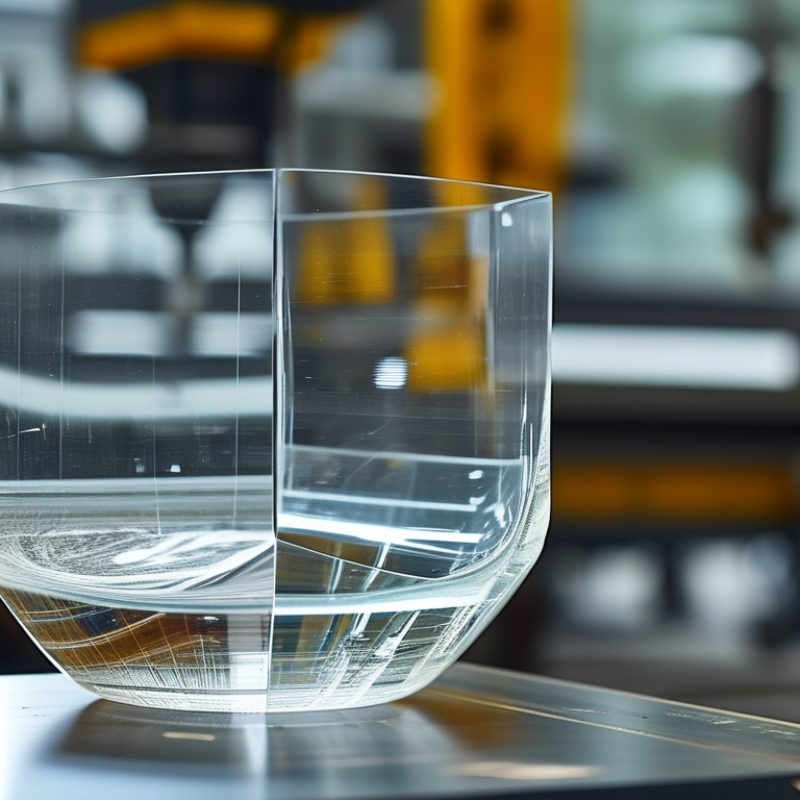
Ensure Precision in Glass Cutting and Shaping for Global Buyers?

Precision Techniques in Glass Cutting: An Overview of Methods

Glass cutting and shaping require exceptional precision. Several techniques ensure accuracy in this intricate process. One common method is the score-and-snap technique. This involves scoring the glass surface with a carbide cutter. A precise, elongated crack forms, enabling the glass to break cleanly along the scored line. Practicing this technique allows artisans to grasp the necessary pressure and angle for effective cuts.

Another notable method is the use of water jet cutting. This technique employs high-pressure water jets to slice through glass effortlessly. The precision is remarkable, delivering smooth edges without excess heat. However, operators must be skilled. A slight miscalculation could ruin the piece. Another interesting method is laser cutting. Lasers provide pinpoint accuracy but can be costly. Balancing cost and quality is often a critical decision for prospective users.

Nevertheless, achieving consistent perfection remains a challenge. Every material responds differently under various cutting techniques. Operators must constantly adapt. Mistakes can teach valuable lessons in precision glass cutting. The ongoing evolution of techniques and equipment plays a crucial role in maintaining quality for global buyers. Each method's strengths and weaknesses must be carefully evaluated to ensure the best outcomes.

Precision Techniques in Glass Cutting: An Overview of Methods

Analyzing Industry Standards for Glass Quality and Cutting Precision

Precision is vital in glass cutting and shaping. A recent report from the International Glass Association highlights that defects in glass can lead to significant waste, where up to 20% of produced glass may be discarded due to inaccuracies. This not only affects costs but also impacts environmental sustainability. Buyers are increasingly looking for suppliers who adhere to strict industry standards.

Quality metrics are essential in assessing glass precision. The American National Standards Institute (ANSI) sets guidelines that many companies strive to meet. According to their data, a variance of just 1 mm in cutting can result in a product being rejected. This poses challenges for manufacturers aiming for zero defects while maintaining competitive pricing.

Despite technological advancements, achieving consistent precision remains complex. Many companies invest in sophisticated cutting tools, yet they still face issues like uneven surfaces. Reflecting on these challenges is necessary for continuous improvement. Industry experts recommend regular training and adopting new quality control technologies to enhance yield and reduce errors.

Impact of Technology on Glass Shaping Accuracy and Efficiency

The glass industry has seen significant advancements due to technology. Precision in glass cutting and shaping is no longer a distant goal. Modern machines can handle intricate designs with unprecedented accuracy. This reduces waste and enhances overall efficiency, which is crucial for meeting global demands.

However, reliance on technology isn’t without challenges. Some cutting machines can struggle with complex shapes. Human oversight is still necessary to ensure quality. Technicians must remain alert to anomalies during production. Occasionally, miscalculations can occur with automated systems, leading to imperfections. Continuous training and adaptation are vital for workers to navigate these issues effectively.

Innovations, such as computer-aided design (CAD), have transformed the shaping process. Yet, they also require users to adapt their skills constantly. Maintaining the balance between technological efficiency and human craftsmanship is essential. Each piece of glass tells a story, and sometimes, those minor flaws remind us of the artistry involved in the crafting process.

Market Trends: Demand for High-Precision Glass Products Globally

The global demand for high-precision glass products is experiencing significant growth. According to a recent industry report, the precision glass market is projected to reach USD 15 billion by 2025. This surge reflects a trend toward specialized applications in sectors like electronics, optics, and medical devices. High-precision glass cutting and shaping techniques are crucial in meeting this demand, ensuring products have the right specifications.

With the rise of advanced manufacturing techniques, precision is more important than ever. Recent data shows that 73% of manufacturers prioritize precision in their glass products. However, achieving this level of accuracy can be challenging. Factors such as equipment calibration and operator skill directly influence quality. In some cases, discrepancies in measurements can lead to significant wastage, impacting both time and cost.

Moreover, the consumption patterns of buyers are shifting. There is an increasing focus on sustainability and recyclability in glass products. Research indicates that about 65% of consumers are more inclined to purchase from brands that demonstrate environmental responsibility. This trend urges manufacturers to adapt their cutting and shaping processes, reflecting a growing awareness in the industry. Balancing precision with sustainability remains a pivotal challenge for many.

Key Metrics for Evaluating Glass Cutting and Shaping Performance

When it comes to glass cutting and shaping, precision is crucial. Buyers often seek various metrics to gauge performance. One key metric is the accuracy of cuts. Evaluating how closely the actual dimensions match specified measurements can reveal a manufacturer’s reliability. For example, a deviation of even a millimeter can affect the final product, especially in intricate designs.

Another significant aspect is the speed of production. While faster processes are appealing, they may compromise quality. A balance between speed and precision is essential. Assessing the finish quality and surface smoothness can provide insights into the effectiveness of the cutting techniques used. Imperfections can lead to weaknesses, creating potential issues down the line.

Moreover, consistency is a noteworthy point. Regular performance reviews and feedback from past clients can illuminate a company's track record. This ongoing evaluation can reveal trends in performance, whether good or bad. Engaging in self-reflection about the production processes can foster growth and improvement. Ultimately, understanding these metrics can help global buyers make informed decisions.

FAQS

: What is the score-and-snap technique in glass cutting?

: This technique involves scoring the glass and snapping it along the scored line, requiring precision and practice.

How does water jet cutting work?

It uses high-pressure water jets to cut glass, delivering smooth edges. Skilled operators are necessary to ensure accuracy.

What challenges exist with laser cutting?

While lasers provide accuracy, they can be costly. Users must weigh the balance between expense and quality.

Why is technology important in glass shaping?

Advanced machines enhance precision and efficiency, reducing waste and meeting global demands for intricate designs.

What issues can arise from relying on automated cutting machines?

These machines may struggle with complex shapes, requiring human oversight to ensure quality and address miscalculations.

How does precision influence glass manufacturing?

Precision is critical; 73% of manufacturers prioritize it. Equipment calibration and operator skill directly impact quality.

What consumer trends are affecting the glass market?

There’s a growing focus on sustainability. About 65% of consumers prefer companies that show environmental responsibility.

How do imperfections contribute to glass artistry?

Minor flaws during cutting remind us of the craftsmanship involved. Each piece tells its own unique story.

What role do mistakes play in glass cutting?

Mistakes can offer valuable lessons, helping artisans improve their precision and adapt to material responses.

What is the future outlook for the precision glass market?

The market is projected to reach USD 15 billion by 2025, driven by advancements in precision glass cutting techniques.

Conclusion

Ensuring precision in glass cutting and shaping processes is crucial for meeting the demands of global buyers. This article provides an overview of various precision techniques employed in glass cutting, emphasizing the importance of adhering to industry standards that dictate both glass quality and cutting accuracy. As technology continues to evolve, its impact on shaping accuracy and operational efficiency becomes increasingly significant, allowing manufacturers to produce high-quality glass with greater precision.

Additionally, the article highlights current market trends indicating a growing demand for high-precision glass products worldwide. To effectively evaluate performance in glass cutting and shaping, key metrics are discussed, underscoring the necessity for companies to adopt innovative practices that enhance precision. By focusing on these aspects, manufacturers can better align their offerings with market expectations and ensure optimal quality in their glass products.

Liam

Liam

Liam is a dedicated marketing professional with a profound expertise in the industry, where he excels at highlighting the unique advantages of our core products. With a keen understanding of market trends and consumer needs, Liam frequently updates our company’s professional blog, providing......