Honghe Machinery Honghe Machinery

Enhance Dust and Noise Control Solutions for Glass Workshops?

Time:2026-06-16 Author:Liam
0%

In the glass manufacturing industry, dust and noise are significant concerns that impact worker health and productivity. According to a recent report by the Occupational Safety and Health Administration (OSHA), the exposure to silica dust in glass workshops can lead to serious respiratory issues. It is estimated that more than 2 million U.S. workers are exposed to silica. Therefore, the need to "Enhance Dust and Noise Control in Glass Workshops" has never been more relevant.

Noise pollution also presents a serious challenge. A study by the National Institute for Occupational Safety and Health (NIOSH) found that prolonged exposure to high noise levels can cause permanent hearing loss. Workers in glass workshops often operate equipment at noise levels exceeding 85 decibels, leading to a higher risk of auditory damage. Implementing advanced control solutions could significantly reduce these hazards.

Current practices are often insufficient; many workshops rely on basic measures. These may not adequately protect workers or mitigate risks. A holistic approach, employing modern technologies and best practices in dust and noise control, can create a healthier workplace. Continuous assessment and improvement remain essential for sustained worker safety and operational efficiency.
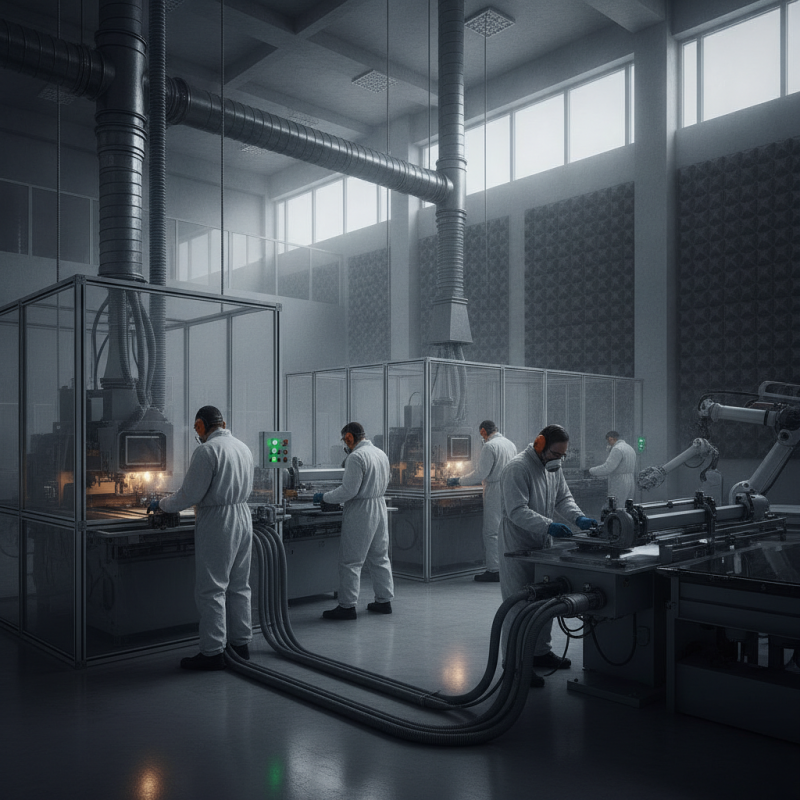
Enhance Dust and Noise Control Solutions for Glass Workshops?

Current Challenges in Dust and Noise Control in Glass Workshops

Dust and noise control in glass workshops presents several challenges. According to industry reports, around 64% of glass manufacturing workers are exposed to hazardous dust levels. This can lead to respiratory issues, impacting productivity and worker health. High silica dust levels can cause silicosis, a serious lung disease. Effective dust extraction systems need to be in place to mitigate this risk.

Noise pollution is another pressing issue. Data reveals that up to 85% of workers in glass workshops face noise levels exceeding safe thresholds. Prolonged exposure can lead to hearing loss. Current control methods, such as sound insulation and worker training, often fall short. Many workshops still operate with outdated equipment that doesn't meet modern standards.

Implementing advanced ventilation systems can greatly enhance air quality. Regular maintenance and monitoring are crucial to ensure efficacy. In addition, workshops must adopt better acoustic materials to diminish sound exposure. Taking these steps is essential for creating a safer work environment. However, the responsibility often gets overlooked, leading to ongoing concerns for employee well-being. Further evaluations of existing practices are necessary to identify gaps in compliance and improve worker safety.

Effective Strategies for Reducing Dust Emissions in Glass Manufacturing

In glass manufacturing, dust emissions pose significant health risks for workers. According to recent studies, employees in glass workshops are exposed to hazardous silica dust. This exposure can lead to serious respiratory issues. Effective dust control strategies are essential to mitigate these risks.

Implementing local exhaust ventilation systems can significantly reduce airborne dust levels. These systems capture dust at the source. Research indicates that proper ventilation can lower dust concentrations by over 70%. Additionally, using wet cutting techniques minimizes dust generation during production. However, many workshops still rely on outdated methods, which can hinder effectiveness.

Regular maintenance and training are crucial for sustainable dust control. Workshops should conduct routine inspections of dust collection systems. Only then can they ensure optimal performance. Training employees on proper cleaning procedures can also improve workplace safety. Despite these strategies, challenges remain. Ensuring consistent compliance with dust control measures is often overlooked, leading to persistent issues. This highlights the need for an ongoing commitment to improving dust management practices in the glass industry.

Effectiveness of Dust Control Strategies in Glass Manufacturing

Innovative Noise Mitigation Techniques for Glass Workshop Environments

In glass workshops, noise can be a significant challenge. Workers in this setting often face sound levels exceeding 85 decibels. Prolonged exposure to such noise can lead to hearing loss. According to the Occupational Safety and Health Administration (OSHA), effective noise control methods are essential in protecting workers’ health.

Innovative noise mitigation techniques can drastically change the landscape of glass workshops. Acoustic panels can be installed to absorb harmful sound waves. Creating barriers around noisy machinery is another solution. Research shows that these measures can reduce noise levels by 10 to 15 decibels. This reduction can make a notable difference in daily working conditions. Consider also using sound-dampening materials in walls and ceilings. These options require investment but lead to a safer environment.

Dust control is equally critical. Dust from glass cutting can settle in the air and lungs. A study indicated that continuous dust exposure exacerbates respiratory issues. Workshops should utilize effective ventilation systems and dust extraction units. These systems maintain airflow and minimize airborne particles. Effective implementation of these methods requires monitoring. Ongoing assessment ensures they function correctly, providing a healthier workspace.

Regulatory Standards and Compliance for Dust and Noise Control

In glass workshops, maintaining air quality and sound levels is crucial. Regulatory standards set by agencies, such as OSHA, ensure safe working environments. According to recent data, over 80% of silica exposure occurs in industries like glass manufacturing. This creates a significant health risk for workers, leading to diseases such as silicosis and lung cancer. Compliance with dust control regulations is not just about penalties; it’s about protecting employees’ health.

Noise exposure is another pressing issue in glass workshops. Studies reveal that prolonged exposure to noise levels above 85 dB can damage hearing. The CDC highlights that nearly 24% of American workers report hearing difficulties, largely linked to workplace noise. Efforts to reduce noise, like using quieter machinery, can improve worker concentration and productivity.

While many companies strive to meet these regulations, challenges remain. Some workshops lack adequate ventilation systems, increasing dust exposure. In addition, many do not routinely monitor noise levels, missing out on essential data for improving compliance. This indicates a gap in effective implementation of existing standards. Addressing these issues requires commitment and innovative solutions from industry professionals.

Future Trends in Dust and Noise Control Technologies for Glass Industry

The glass industry faces significant challenges with dust and noise control. A recent report indicates that over 70% of glass workshop employees are exposed to excessive noise levels. These conditions can lead to long-term health issues, making effective control solutions essential.

Emerging technologies are reshaping how workshops manage these hazards. Innovations such as advanced filtration systems help capture fine dust particles. Data shows that these systems can reduce airborne dust by up to 90%. Meanwhile, noise mitigation technologies, including sound-absorbing panels, can drastically lower sound levels in production spaces. Many workshops are integrating these solutions for a healthier workspace.

Despite progress, challenges remain. Not all workshops can afford the latest technology. Smaller operations may struggle to implement comprehensive solutions. Awareness and training on best practices are crucial. Research suggests that employee education can enhance overall safety significantly. Workshops must balance investment in technology with practical training efforts to ensure a safe and productive environment.

FAQS

: What is a common noise level in glass workshops?

: Workers often face sound levels exceeding 85 decibels. Prolonged exposure can cause hearing loss.

How can noise levels be reduced in workshops?

Installing acoustic panels and creating barriers around machinery can lower noise by 10 to 15 decibels.

Why is dust control important in glass workshops?

Dust from glass cutting can settle in the lungs, worsening respiratory issues over time.

What systems should workshops use for dust control?

Effective ventilation systems and dust extraction units are essential for minimizing airborne particles.

How much can advanced filtration systems reduce dust?

These systems can lower airborne dust levels by up to 90%. This significantly improves air quality.

Are smaller workshops equipped to handle noise and dust control?

Many smaller operations struggle to invest in the latest technology for these issues.

What role does employee training play in safety?

Training can significantly enhance safety. Workers need to be educated on best practices.

Is ongoing assessment needed for implemented solutions?

Yes, continuous monitoring ensures that noise and dust control measures function effectively.

What are some common barriers to technology adoption in workshops?

Cost is a major barrier. Smaller workshops may not afford comprehensive solutions.

What should workshops prioritize for a healthier environment?

Balancing investment in technology with practical training can create a safer and more productive workspace.

Conclusion

Effective management of dust and noise is crucial in glass workshops, where these environmental factors can significantly impact worker health and productivity. To enhance dust and noise control in glass workshops, it is essential to address current challenges by implementing effective strategies such as the use of advanced filtration systems and adopting innovative noise mitigation techniques. These approaches not only help in reducing dust emissions but also create a safer and more comfortable working environment for employees.

Moreover, compliance with regulatory standards is vital for ensuring that glass manufacturing facilities meet safety and environmental guidelines. Looking ahead, the glass industry is poised to embrace future trends in dust and noise control technologies, which will likely focus on automation and smart monitoring systems. These advancements will play a key role in enhancing dust and noise control in glass workshops, ultimately promoting sustainability and worker well-being.

Liam

Liam

Liam is a dedicated marketing professional with a profound expertise in the industry, where he excels at highlighting the unique advantages of our core products. With a keen understanding of market trends and consumer needs, Liam frequently updates our company’s professional blog, providing......