Honghe Machinery Honghe Machinery

2026 Best Ways to Adopt Eco Friendly Practices in Glass Processing?

Time:2026-06-13 Author:Aria
0%

As the world becomes more environmentally conscious, industries are challenged to adapt. The glass processing sector is no exception. To remain competitive and responsible, companies need to adopt eco-friendly practices in glass processing. This transition is not just a trend; it is essential for sustainability.

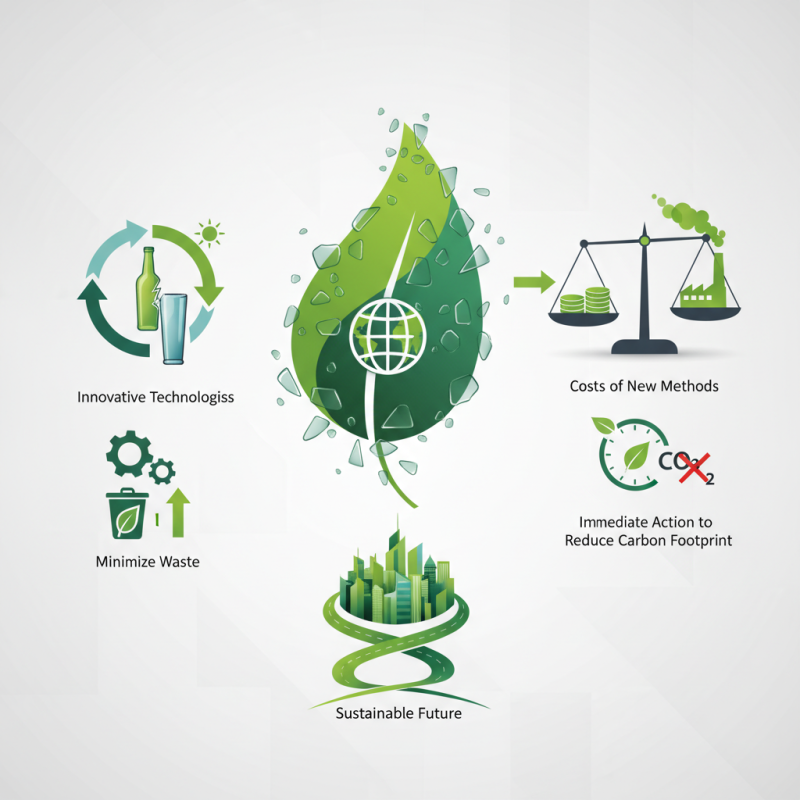
Embracing these practices starts with understanding the materials and processes involved. Using recycled glass can significantly reduce energy consumption. Moreover, innovative technologies can minimize waste. This commitment to sustainability, however, presents challenges. Companies must weigh the costs of implementing new methods against potential gains.

The journey toward eco-friendliness is filled with both opportunities and hurdles. The urgency to reduce carbon footprints demands immediate action. By adopting eco-friendly practices in glass processing, we not only protect the environment but also pave the way for a more sustainable future. Engaging in this transition is not just beneficial; it is an imperative for responsible businesses in today’s world.
2026 Best Ways to Adopt Eco Friendly Practices in Glass Processing?

Understanding Eco-Friendly Practices in Glass Processing

Understanding eco-friendly practices in glass processing is crucial for sustainable development. The glass industry is known for its high energy consumption. By adopting cleaner production methods, manufacturers can significantly reduce their carbon footprint. For instance, using recycled glass minimizes the need for raw materials. This not only conserves resources but also requires less energy compared to producing new glass.

Another important practice is optimizing the melting process. Utilizing energy-efficient furnaces can lower electricity usage. Adjusting temperature settings to the minimum required can result in notable savings. Regular equipment maintenance is often overlooked but vital. A well-maintained furnace operates more efficiently, further reducing environmental impact.

Communicating sustainability goals with employees is essential. Training them on best practices ensures everyone is on the same page. However, it’s important to recognize that not all initiatives will yield immediate results. Some practices might require adjustments over time. Foster an atmosphere of reflection; this allows for continuous improvement and innovation in eco-friendly practices.

Innovative Techniques for Reducing Waste in Glass Production

In the glass processing industry, waste reduction is essential. Innovative techniques can significantly minimize environmental impact. One effective approach is the implementation of closed-loop systems. These systems recycle glass waste back into production, which reduces raw material usage. It also lowers energy consumption, benefiting both the environment and the bottom line.

Another emerging method is the use of alternative materials. Research shows that incorporating recycled glass cullet can enhance the quality of new glass products. Using less energy during production is a major advantage. However, it can be challenging to source enough cullet consistently. This inconsistency can hinder the effectiveness of recycling efforts.

Moreover, adopting digital technologies plays a crucial role. Smart sensors can monitor production processes in real-time. This insight helps identify waste and inefficiencies quickly. Implementing these technologies requires upfront investment and training, which may pose challenges for some companies. The process is not perfect, but the potential for improvement is significant. Embracing these techniques can lead to a more sustainable future in glass processing.

2026 Best Ways to Adopt Eco Friendly Practices in Glass Processing

Technique Description Impact on Waste Reduction (%) Implementation Difficulty (1-5)
Recycling of Waste Glass Using post-consumer glass as raw material. 80% 2
Energy Efficient Furnaces Installing furnaces that use less energy for melting glass. 30% 4
Optimized Production Processes Streamlining processes to minimize glass waste during manufacturing. 25% 3
Use of Sustainable Materials Incorporating natural materials in glass production. 15% 5
Closed Loop Water Systems Reusing water in glass production to minimize waste. 40% 4

Utilizing Recycled Glass: Benefits and Best Practices

Recycled glass is a vital resource in modern glass processing. Utilizing it can significantly reduce energy consumption and lower carbon emissions. Using recycled glass, manufacturers save up to 30% of the energy required to produce new glass. This is crucial for addressing environmental concerns.

However, adopting recycled glass comes with challenges. Not all glass is equally suitable for recycling. Contamination can lead to inferior quality in the final product. Companies must ensure that their sourcing and processing methods are reliable and effective. Strict quality controls can help maintain the integrity of the recycled glass used.

Implementing best practices is essential to maximizing its potential. Educating staff about proper handling and separating techniques can minimize waste. Investing in technology for sorting and cleaning recycled glass is also beneficial. These practices are not just about efficiency; they are about fostering a culture of sustainability. Regular training sessions can create awareness and commitment among workers. As the industry evolves, continuous improvement will be key in championing eco-friendly methods.

2026 Best Ways to Adopt Eco Friendly Practices in Glass Processing

Energy-Efficient Methods in Glass Manufacturing

The glass manufacturing industry is shifting towards sustainability. Energy-efficient methods are essential in minimizing environmental impact. Innovative technologies are transforming glass processing, making it a cleaner industry.

One effective method is optimizing furnace conditions. Regulating temperature can save substantial energy. Insulating furnace walls reduces heat loss, leading to efficiency gains. This practice contributes to lower emissions.

Tips for implementing energy-efficient methods include regular maintenance of equipment. Ensuring machines are running optimally can prevent energy wastage. Utilizing advanced monitoring systems can detect inefficiencies early. Consider using renewable energy sources for operations, which lowers carbon footprints.

The transition to eco-friendly practices can be challenging. Some firms find it difficult to balance costs with sustainability. Training staff on energy-saving practices can enhance performance. Encourage a culture of sustainability within the workplace for better engagement.

Implementing Sustainable Supply Chain Practices in Glass Processing

Implementing sustainable supply chain practices in glass processing is crucial for minimizing environmental impact. The glass industry can be resource-intensive, so adopting eco-friendly practices is essential. For instance, using recycled materials can significantly reduce energy consumption and raw material extraction. This approach not only conserves natural resources but also lowers production costs. However, achieving high recycling rates requires coordinated efforts among manufacturers, recyclers, and consumers.

Transparency in the supply chain is vital. Companies need to track their materials from source to finish. This can lead to a cleaner production process. Regular audits can ensure compliance with sustainability standards. It’s not just about adhering to regulations; it's about taking responsibility for the entire lifecycle of glass products. While many firms aim for sustainable practices, inconsistent monitoring can lead to gaps. Stakeholders must work together to fill those gaps.

Additionally, investing in green technologies, such as energy-efficient furnaces, is a significant step forward. These innovations can lower carbon emissions significantly. Nevertheless, transitioning to new technologies takes time and can be costly. Companies must weigh the benefits against potential disruptions. Thus, while the path to sustainability is paved with challenges, it offers long-term rewards for both the environment and the industry’s reputation.

FAQS

: What are the benefits of using recycled glass?

: Using recycled glass can reduce energy consumption by up to 30%. It also helps lower carbon emissions.

Why is contamination a concern in recycled glass?

Contamination can lead to inferior quality products. It's crucial to source and process glass effectively.

How can companies ensure quality in recycled glass?

Implementing strict quality controls is essential. Reliable sourcing methods also help maintain integrity.

What are some best practices for handling recycled glass?

Educating staff on proper handling and separating techniques can minimize waste. Regular training is important.

Why is transparency in the supply chain important?

Transparency helps track materials from source to finish. This can lead to a cleaner production process.

What challenges do companies face when adopting sustainable practices?

Inconsistent monitoring can create gaps. Transitioning to new technologies may also be costly and time-consuming.

How can investing in technology help the glass industry?

Technology for sorting and cleaning improves efficiency. It fosters a culture of sustainability in the workplace.

What role do audits play in sustainability?

Regular audits help ensure compliance with sustainability standards. They promote accountability throughout the supply chain.

Why is continuous improvement necessary in glass processing?

Evolving practices help champion eco-friendly methods. It’s key for long-term sustainability in the industry.

What is the ultimate goal of adopting sustainable practices in glass processing?

The goal is to minimize environmental impact and enhance the industry’s reputation through responsible practices.

Conclusion

The article titled "2026 Best Ways to Adopt Eco-Friendly Practices in Glass Processing" explores critical strategies for enhancing sustainability in the glass industry. It begins by outlining the importance of understanding eco-friendly practices, which serve as a foundation for responsible manufacturing. Innovative techniques to reduce waste, such as optimizing production methods and implementing efficient recycling processes, are discussed as vital components in minimizing the industry's environmental impact.

Additionally, the article emphasizes the utilization of recycled glass, detailing its benefits and best practices to ensure quality and efficiency in production. Energy-efficient methods in glass manufacturing are highlighted, showcasing how technology can reduce energy consumption and carbon emissions. Finally, the implementation of sustainable supply chain practices is crucial for achieving an overall commitment to eco-friendliness. Collectively, these approaches provide a comprehensive framework for companies looking to adopt eco-friendly practices in glass processing, ultimately contributing to a greener future.

Aria

Aria

Aria is a dedicated marketing professional with a deep passion for innovative strategies and a keen understanding of our company's product offerings. With a wealth of experience in the industry, Aria excels at crafting engaging content that highlights the unique features and benefits of our......