Honghe Machinery Honghe Machinery

2026 Best Tips to Improve Flexibility for Custom Glass Processing?

Time:2026-06-27 Author:Ethan
0%

In the world of custom glass processing, flexibility is paramount. Companies must adapt to diverse client needs and preferences. To stand out, improving flexibility for custom glass processing becomes essential. This involves embracing innovative techniques and materials.

Understanding client demands is critical. Feedback from previous projects can highlight areas for enhancement. Flexibility often comes with challenges; it requires careful planning and strategy. Skilled professionals in the field can navigate these complexities. Their expertise ensures that projects meet quality standards while remaining adaptable.

Implementing modern technologies can significantly increase flexibility. Automation is a game-changer, allowing for quicker adjustments. However, it is important to continually assess these technologies. They may not always yield the desired results. Constant evaluation and adjustment will help refine process methodologies, fostering a culture of improvement in flexibility for custom glass processing.
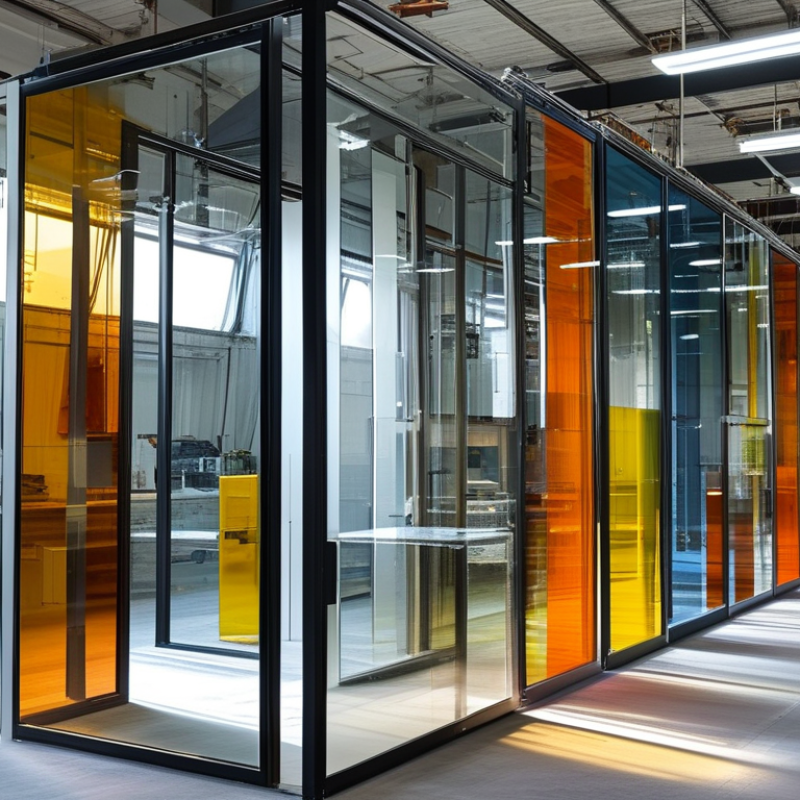
2026 Best Tips to Improve Flexibility for Custom Glass Processing?

Understanding the Importance of Flexibility in Custom Glass Processing

Flexibility plays a crucial role in custom glass processing. It allows manufacturers to adapt to diverse client needs. Every project may require different techniques, resources, and timelines. Being able to pivot quickly can significantly enhance production efficiency. Adaptability also fosters innovation, enabling teams to explore new design possibilities and materials.

Understanding flexibility goes beyond mere adaptability. It encompasses effective communication between teams and clients. Clear dialogue helps capture the client’s vision and specifications accurately. However, this often requires continual adjustments. Balancing client expectations with practical capabilities can be challenging. Flexibility demands not just technical skills, but also emotional intelligence and problem-solving abilities.

Challenges exist even in flexible setups. Teams might face resource limitations or time constraints. These factors can hinder effective responses to changing demands. Reflecting on these experiences can lead to better strategies. Continuous assessment and open-mindedness can help teams find solutions. Cultivating a culture of flexibility is essential for success, particularly in a dynamic industry like glass processing.

2026 Best Tips to Improve Flexibility for Custom Glass Processing

The chart below illustrates the effectiveness of various techniques aimed at improving flexibility in custom glass processing. These techniques were evaluated based on a scale from 1 to 10, where 10 indicates the highest level of flexibility improvement achieved.

Key Techniques to Enhance Flexibility in Glass Manufacturing Methods

In the realm of glass manufacturing, enhancing flexibility is crucial for custom processing. One key technique involves adopting adaptable production methods. This allows manufacturers to handle varying specifications and design complexities with ease. By using advanced software for modeling, teams can visualize changes before crafting physical prototypes. This cuts down on time and resources, ensuring a more streamlined workflow.

Another effective strategy is to invest in training for staff. Skilled workers can respond better to unexpected challenges. Practical workshops and hands-on sessions empower them to think creatively. Implementing cross-training can create a more versatile team, capable of tackling multiple roles. This adaptability helps the company remain competitive in a fast-changing market.

Moreover, implementing feedback loops can refine processes. Encouraging staff to suggest improvements fosters a culture of collaboration. Regularly reviewing outcomes can highlight areas needing adjustment. Such practices may not yield immediate results but can lead to significant long-term benefits. Being open to change is not always easy, but it's vital for growth.

Materials and Equipment Considerations for Improved Glass Flexibility

When considering glass flexibility, material selection is crucial. Different types of glass exhibit varying degrees of flexibility. For instance, borosilicate glass is known for its resistance to thermal stress. It can endure heat without cracking. Conversely, soda-lime glass may be more prone to breakage under extreme conditions. The right materials can significantly impact the final product's performance.

The equipment used during processing also plays a significant role. Advanced machinery, like computer numerical control (CNC) machines, can shape glass with precision. Consistent heating and cooling cycles are essential to enhance flexibility. Employing a furnace that offers uniform heating is often overlooked yet vital. Uneven temperatures can lead to weaknesses in the glass structure.

It’s worth noting that flexibility in glass is not merely a matter of material or machinery. Manufacturing techniques must focus on optimizing both aspects. Experimentation is necessary to find the ideal parameters. Sometimes, this process reveals unexpected challenges that require reflection and adjustment. Balancing the right materials with appropriate equipment leads to better flexibility outcomes.

2026 Best Tips to Improve Flexibility for Custom Glass Processing

Materials Equipment Techniques Flexibility Improvement
Borosilicate Glass Furnace with precise temperature control Temperature Cycling Reduces stress points
Soda-lime Glass Thermal Treatment Ovens Annealing Enhances ductility during processing
Toughened Glass CNC Cutting Machines Controlled Impact Processing Improves impact resistance
Low-iron Glass Laser Cutting Technology Precision Cutting Techniques Enhances transparency and flexibility
Laminated Glass Pressure Lamination Equipment Vacuum Bagging Enhances durability and flexibility

Training and Skill Development for Technicians in Glass Processing

Custom glass processing requires skilled technicians who can adapt to various challenges. Training is vital in developing their knowledge and hands-on experience. Technicians must understand different glass types and their specific properties. This knowledge helps them execute precise techniques effectively.

Workshops and on-the-job training can enhance skills. Access to experienced mentors can be invaluable. However, some may struggle with grasping new methods quickly. This discrepancy highlights the need for tailored training programs. The aim is to boost confidence and competence among technicians.

Furthermore, ongoing education is essential. Technology in glass processing evolves rapidly. Technicians must stay updated on new tools and practices. Regular assessments can identify gaps in skills. Addressing these gaps is crucial for improving overall workflow efficiency. Each technician's unique learning curve should be acknowledged and supported.

Implementing Technology to Boost Flexibility in Custom Glass Operations

In custom glass operations, technology plays a crucial role in enhancing flexibility. Advanced software can streamline production schedules, allowing for real-time adjustments. This allows companies to respond swiftly to unexpected changes in demand. Automated cutting tools and robotic arms can adapt to different designs, minimizing waste and maximizing efficiency. However, not all technology fits perfectly into every operation. Evaluating the specific needs of a business is essential.

Training staff on new technologies is equally important. Employees must understand both the advantages and limitations of these tools. Regular training sessions can help bridge knowledge gaps. Workers might resist change at first, but fostering a culture of continuous learning helps. Flexibility goes beyond just machines; it includes fostering a mindset that embraces innovation.

Monitoring performance is another area that requires attention. Metrics should be established to assess how technology impacts flexibility. Businesses may find some implementations underperforming. Iterating on these solutions is key to refining processes. Embracing feedback from team members can illuminate areas that need improvement. Each operational setup is unique, and flexibility should reflect that individuality.

FAQS

: What is a key technique to enhance flexibility in glass manufacturing?

: Adopting adaptable production methods helps manage varying specifications and design complexities.

How can advanced software improve glass manufacturing processes?

Software allows teams to visualize changes before creating prototypes, saving time and resources.

Why is staff training important in glass manufacturing?

Skilled workers can better respond to unexpected challenges and think creatively.

What role do feedback loops play in manufacturing?

They foster collaboration and identify areas needing improvement for long-term benefits.

How do different types of glass affect flexibility?

Borosilicate glass resists thermal stress, while soda-lime glass is more prone to breakage.

What equipment is vital for enhancing glass flexibility during processing?

Uniform heating furnaces and CNC machines shape glass with precision.

How does technology boost flexibility in custom glass operations?

Technology enables real-time adjustments to production schedules in response to demand.

Why is monitoring performance important when implementing new technologies?

It helps assess how technology impacts flexibility and identifies underperforming solutions.

What challenges can arise from experimenting with materials and techniques?

Unexpected issues may require reflection and adjustments to improve processes.

How can a culture of continuous learning impact flexibility?

It fosters a mindset that embraces innovation and helps overcome resistance to change.

Conclusion

The article "2026 Best Tips to Improve Flexibility for Custom Glass Processing" emphasizes the critical role of flexibility in enhancing glass manufacturing operations. It outlines various key techniques to enhance flexibility, such as adopting innovative glass forming methods and optimizing production workflows. Additionally, the piece discusses essential materials and equipment considerations that can contribute to improved flexibility in processing techniques.

Furthermore, the article highlights the significance of training and skill development for technicians involved in glass processing, as a well-trained workforce can adapt to new processes and technologies more effectively. Finally, implementing technological solutions, such as automation and advanced software systems, is presented as a way to boost flexibility in custom glass operations, ultimately leading to increased efficiency and better customer satisfaction.

Ethan

Ethan

Ethan is a seasoned marketing professional with a deep expertise in our company's innovative product line. With a passion for sharing knowledge and insights, he takes the lead in regularly updating our corporate blog, where he explores industry trends, product features, and effective marketing......